3D Printing & CNC Supplies
Filament, nozzles, hotends, spindles, collets and CNC spares.
Also searched as: filamentnozzleshotender11 colletcnc spindlepetg
-
-
-
1 1/4"-8 UNC, 2B, Spiral Flute Tap
Size: 1 1/4"-8 UNCTolerance: 2B
-
-
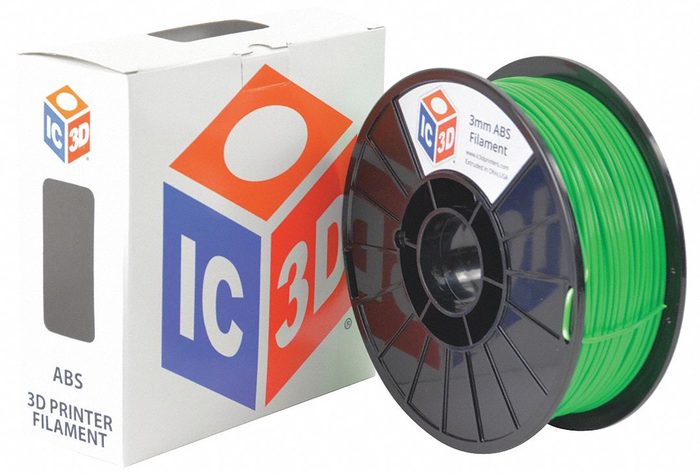
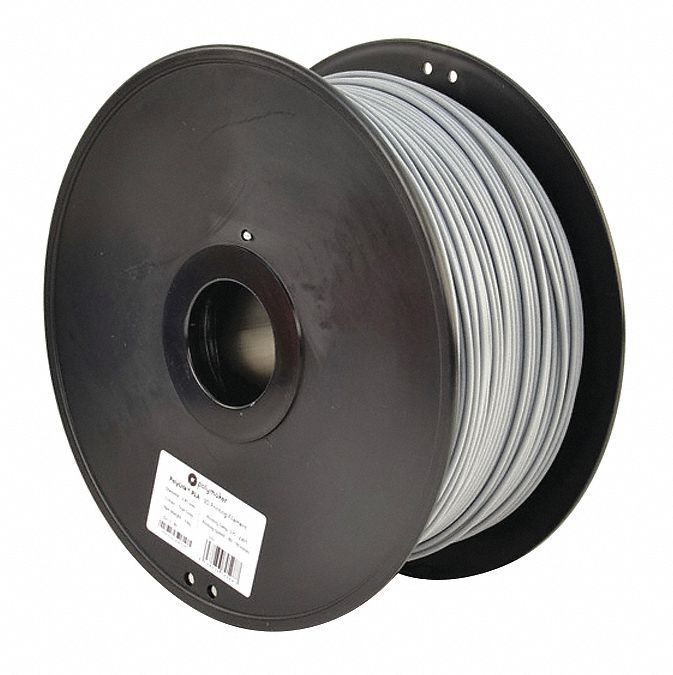
ABS Filament
Diameter: 1.75 mm
-
-
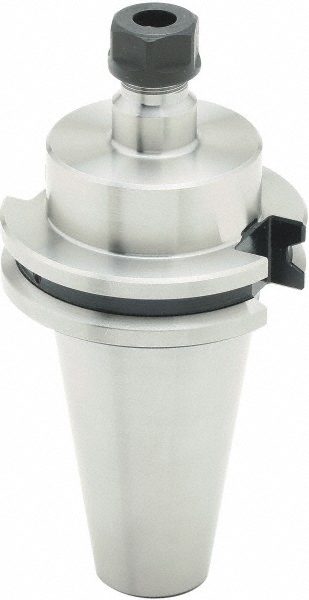
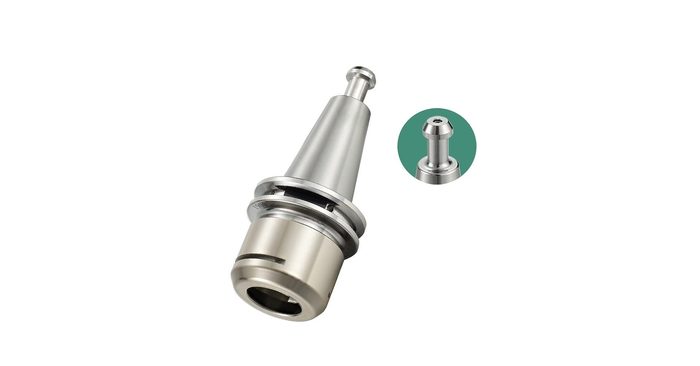
CAT40 Taper ER11 Collet Chuck
Taper: CAT40
-
-
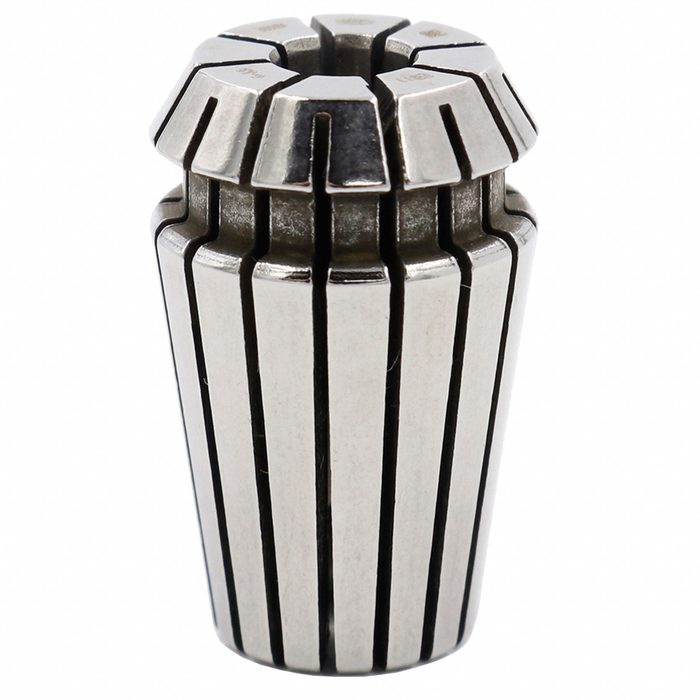
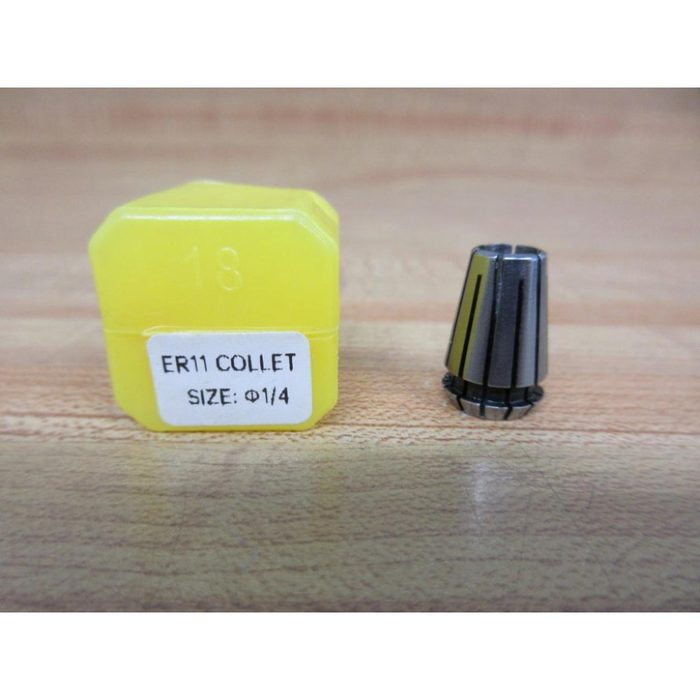
ER11 1/4 in Collet
Collet Capacity: 0.25 in
-
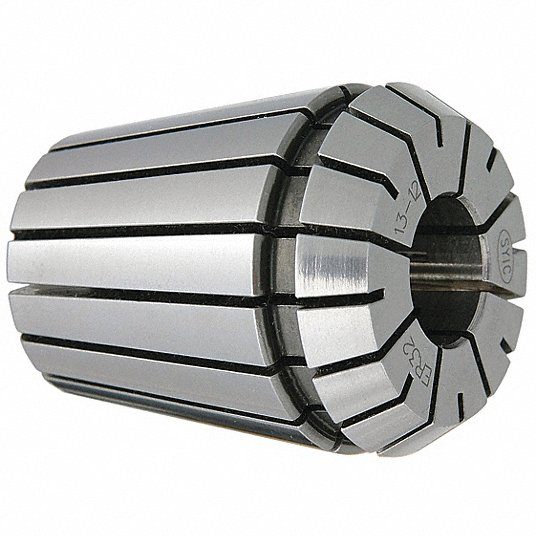
ER11 1/8 in Collet
Collet Capacity: 0.125 in
-
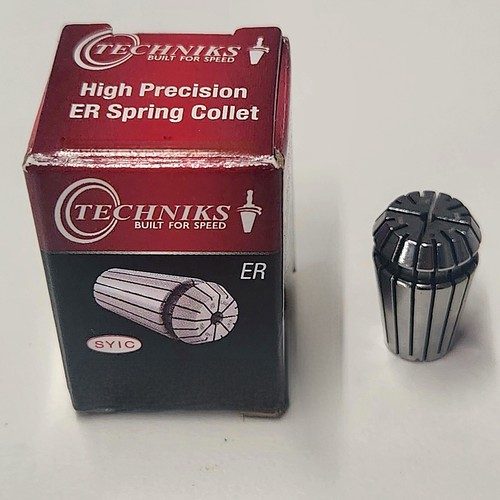
ER11 2.5 mm Collet
Collet Capacity: 2.5 mm
-
ER11 4 mm Collet
Collet Capacity: 4 mm
-
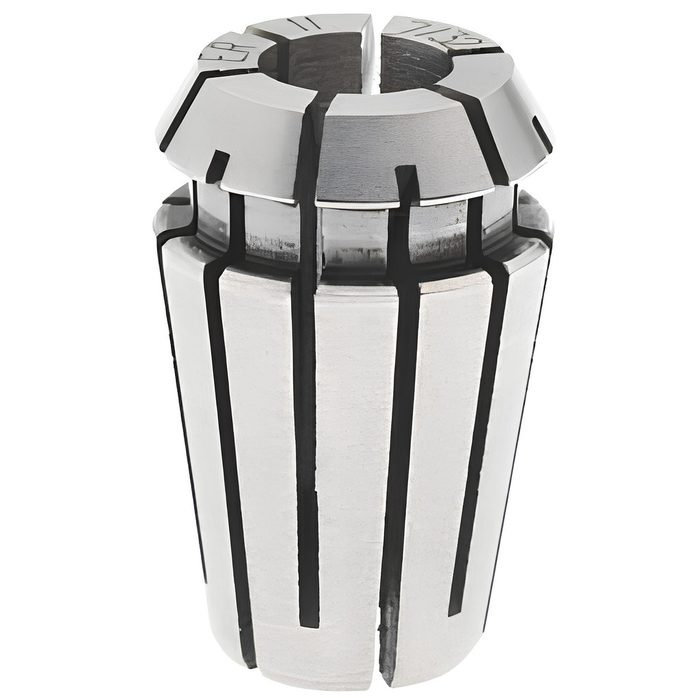
ER11 7/32 in Collet
Collet Capacity: 0.21875 in
-
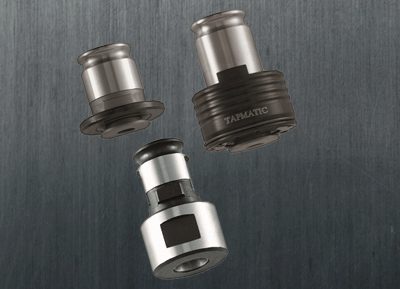
ER11 Collet
Collet type: ER11
-
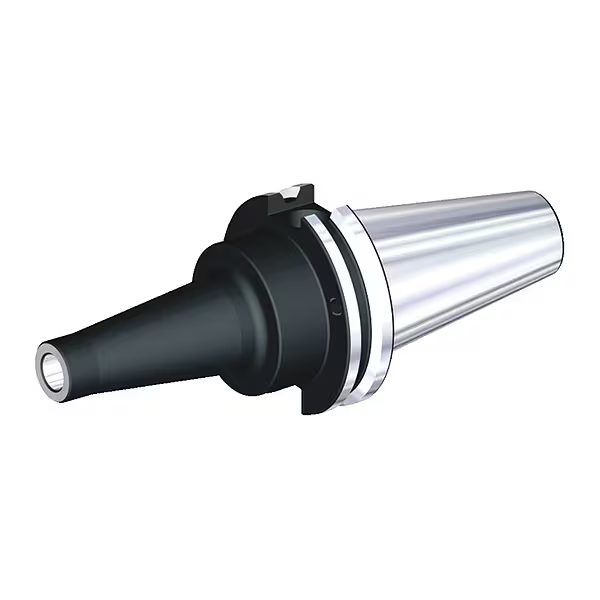
End Mill Holder: CV40 Taper
Taper: CV40
-
-
-
-
-
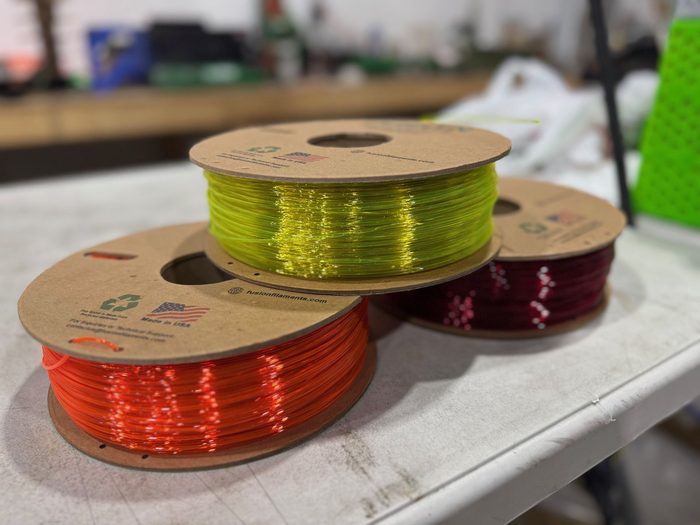
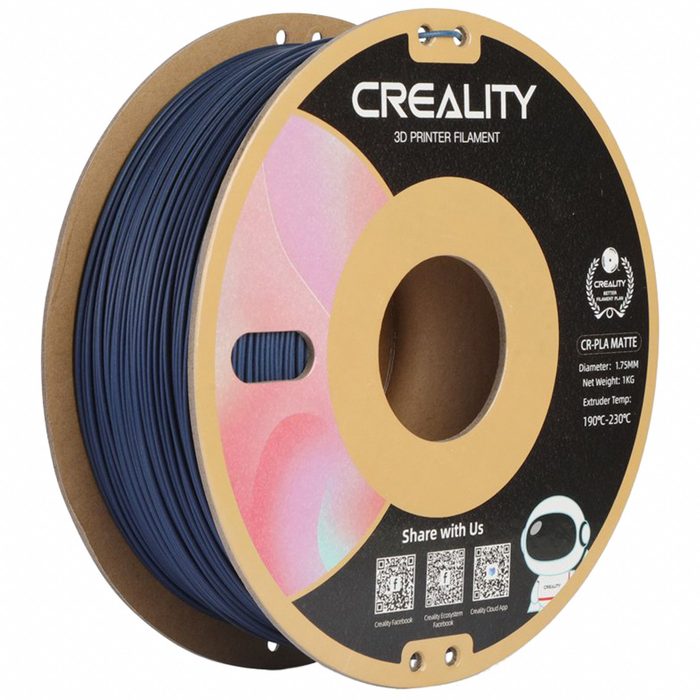
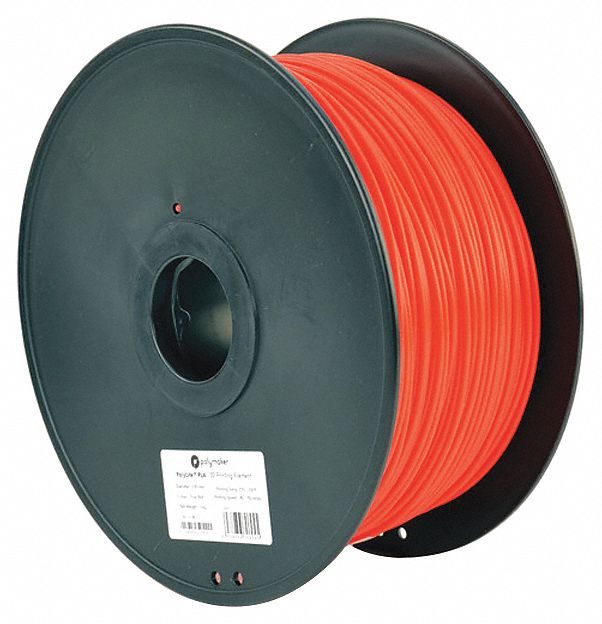
PCTG Filament
Diameter: 1.75 mm
-
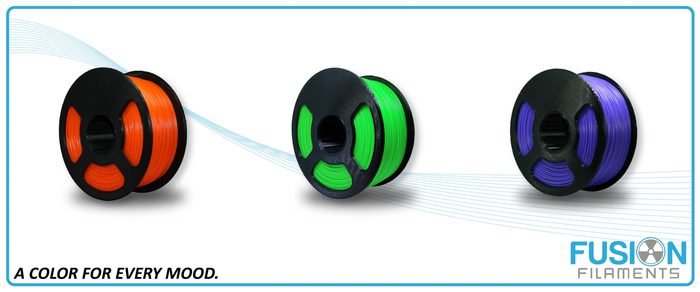
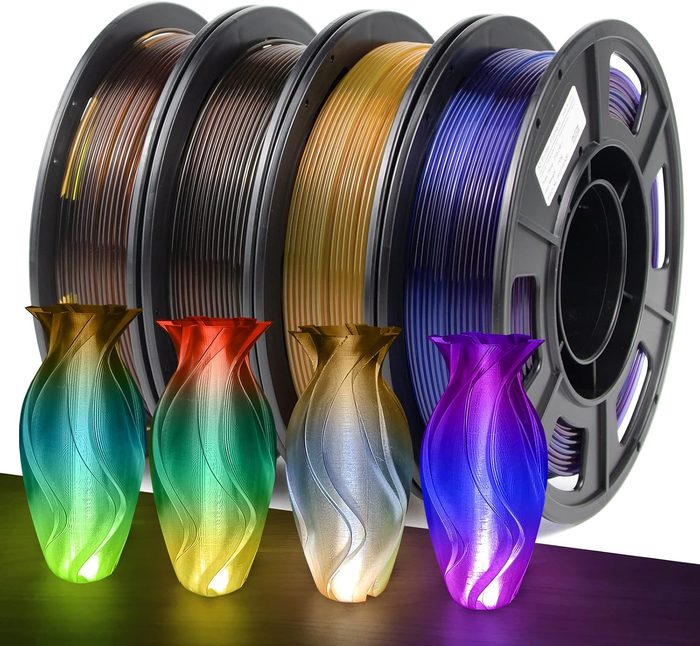
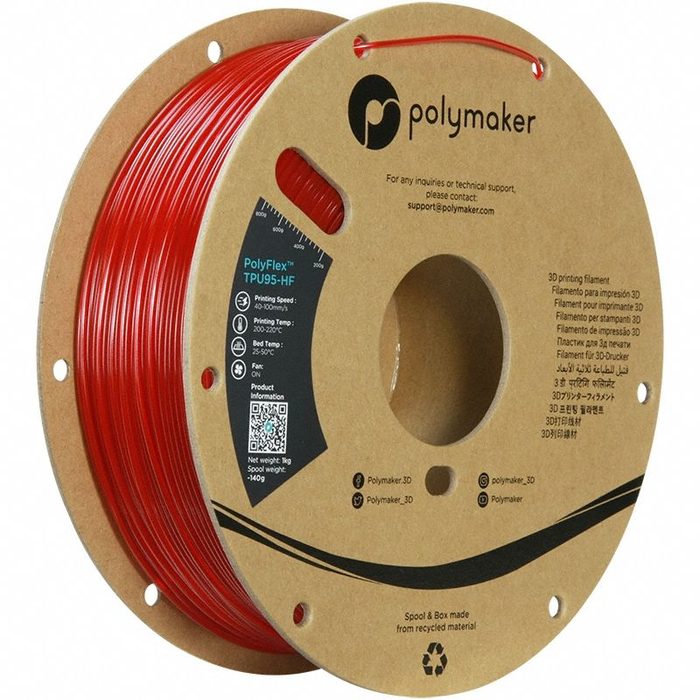
PCTG Filament 1.75 mm
Diameter: 1.75 mm
-
-
-
-
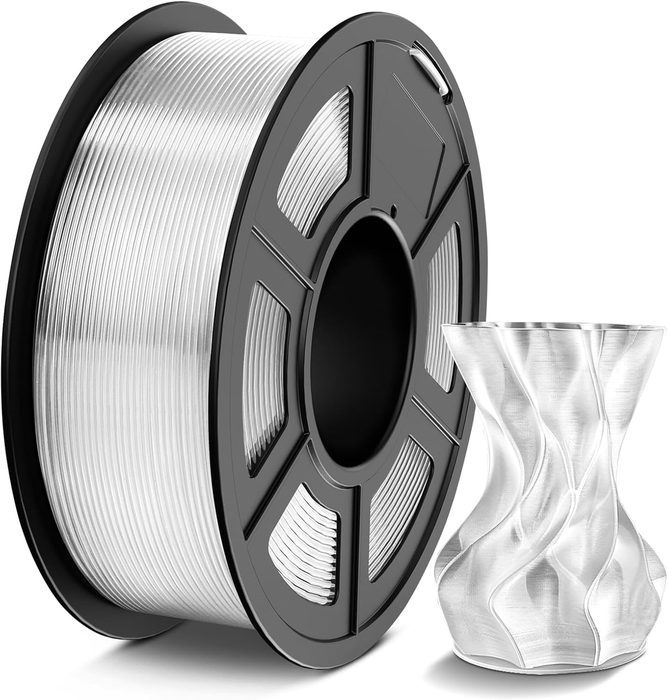
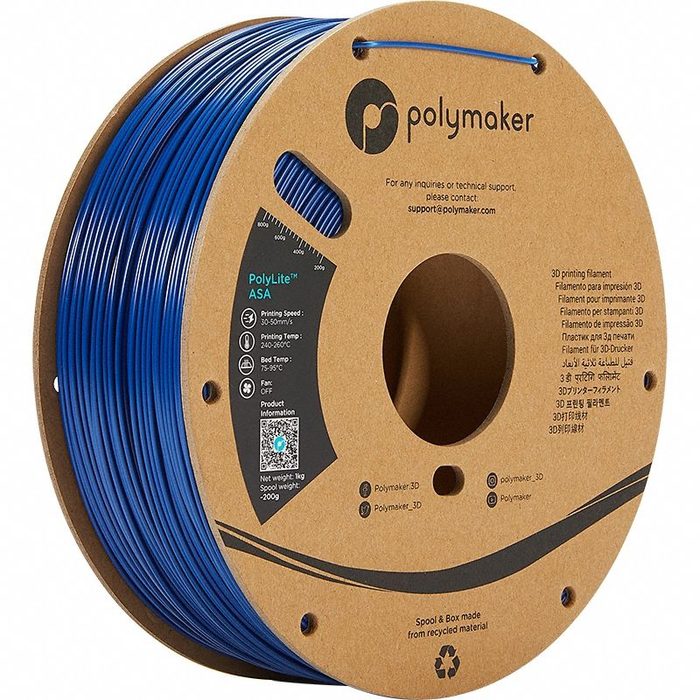
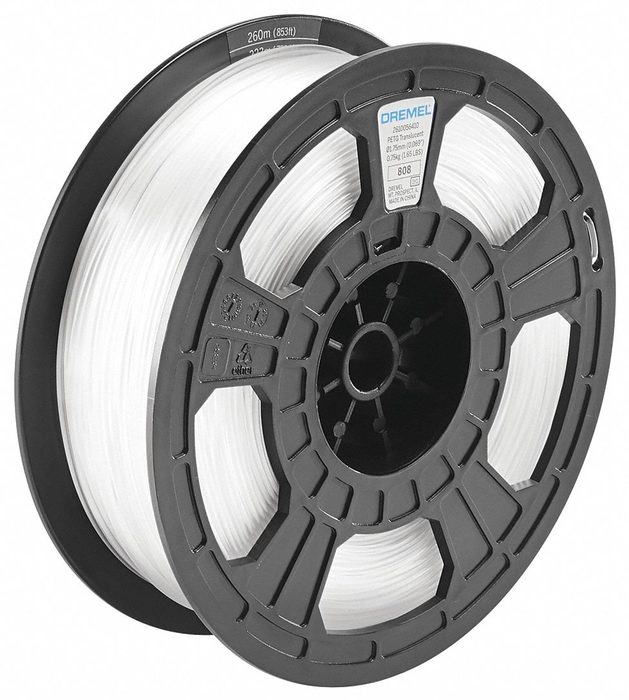
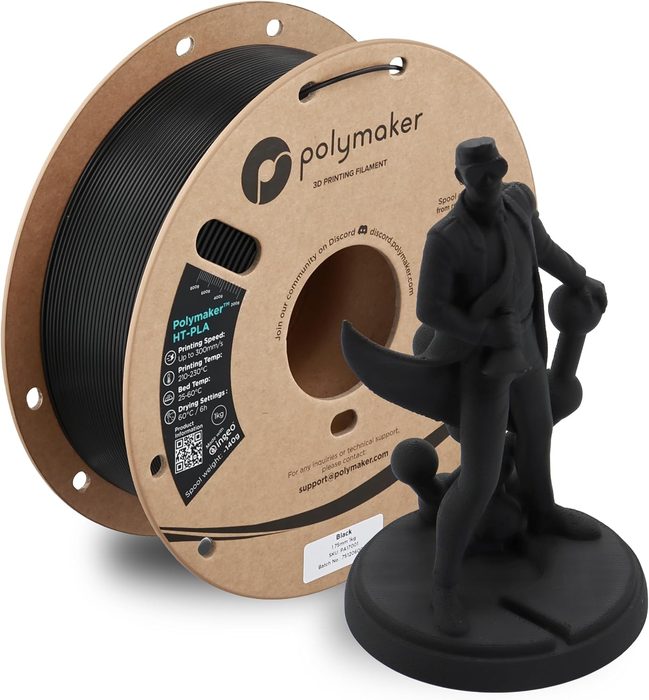
PETG Filament 1.75 mm
Diameter: 1.75 mm
-
-
-
-
-
-
-
-
About 3d printing & cnc supplies
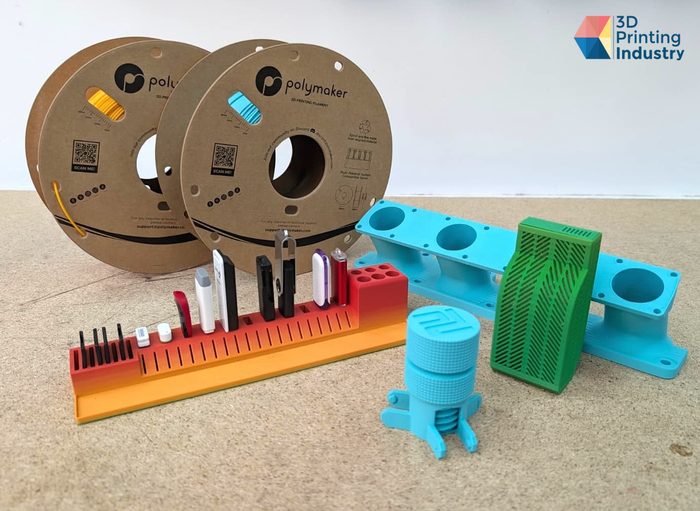
The 3D Printing & CNC Supplies category encompasses consumables and components critical for additive manufacturing and subtractive machining operations. Filament, the primary feedstock for Fused Deposition Modeling (FDM) 3D printers, is typically supplied on spools in diameters of 1.75mm or 2.85mm, and available in materials such as PLA, ABS, PETG, Nylon, and advanced composites. Nozzles, often brass, hardened steel, or ruby-tipped, feature orifice diameters ranging from 0.2mm to 1.0mm, dictating print resolution and speed. Hotends integrate heating elements, thermistors, and heat breaks to melt filament, with common configurations including all-metal and PTFE-lined. For CNC applications, spindles provide the rotational power for cutting tools, characterized by power ratings (e.g., 800W, 1.5kW, 2.2kW), RPM ranges (e.g., 0-24000 RPM), and collet compatibility (e.g., ER11, ER16, ER20). Collets, such as ER series, are precision clamping devices with specific bore sizes (e.g., 3.175mm, 6mm) to secure tooling. CNC spares include a range of components from motor drivers to limit switches, ensuring operational continuity and precision.
How to choose
When selecting 3D printing and CNC supplies, first define the application: additive or subtractive. For 3D printing, specify filament material based on mechanical properties and printability, then match nozzle orifice diameter to desired resolution. Select hotend type (all-metal vs. PTFE-lined) based on filament material's thermal requirements. For CNC, determine spindle power and RPM range based on material hardness and cutting operations. Next, identify the required collet series (e.g., ER11, ER16) and specific bore size to match tooling shank diameter. Consider material and coating of cutting tools for longevity and performance.