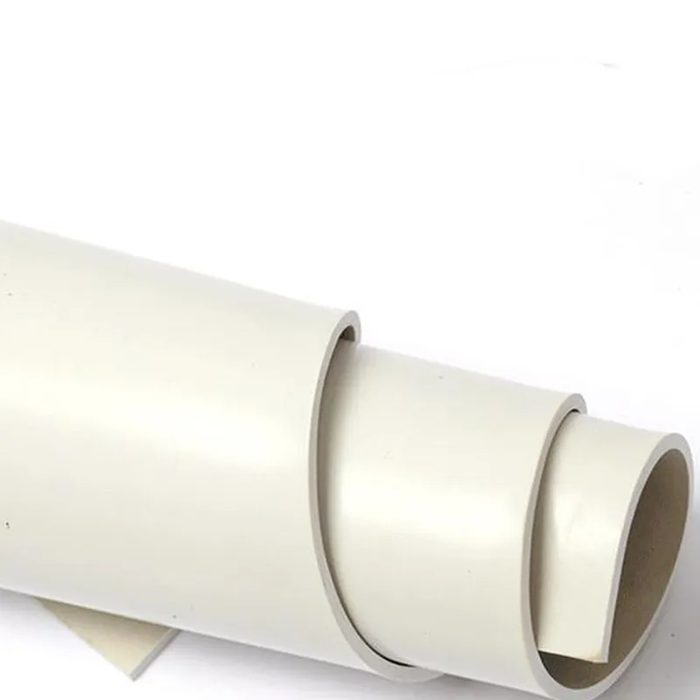
Rubber & Foam Stock
Neoprene, EPDM, silicone, cork and closed-cell foam sheet.
Also searched as: neoprene sheetepdmsilicone sheetfoam rubbergasket material
-
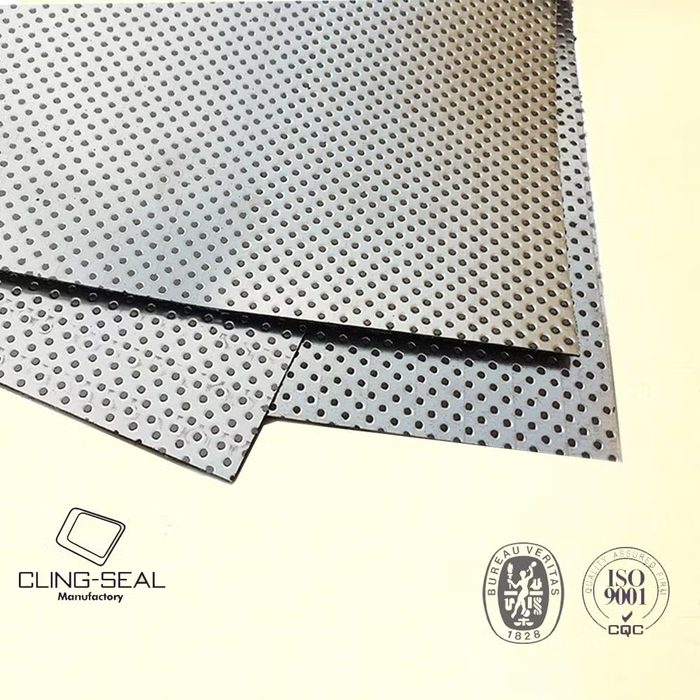
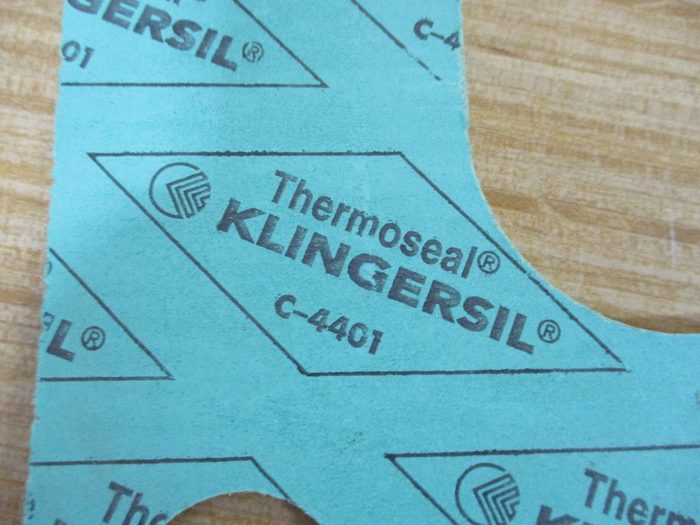
High Temperature Exhaust Gasket Material Sheet
Temperature Rating: High
-
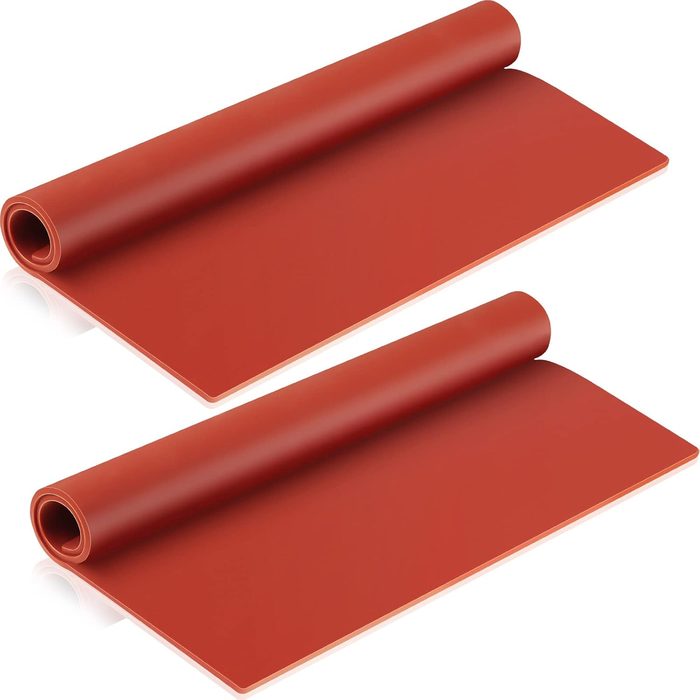
High Temperature Resistant Silicone Sheet
Thickness: 1-6 mm
-
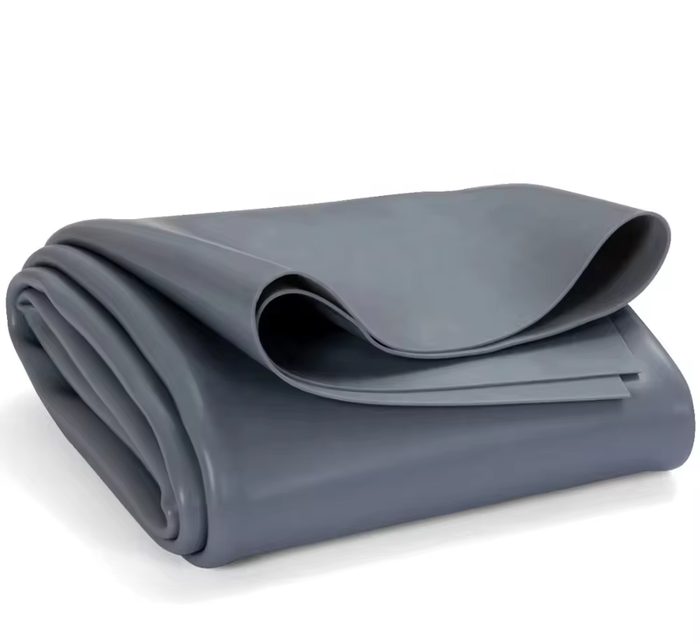
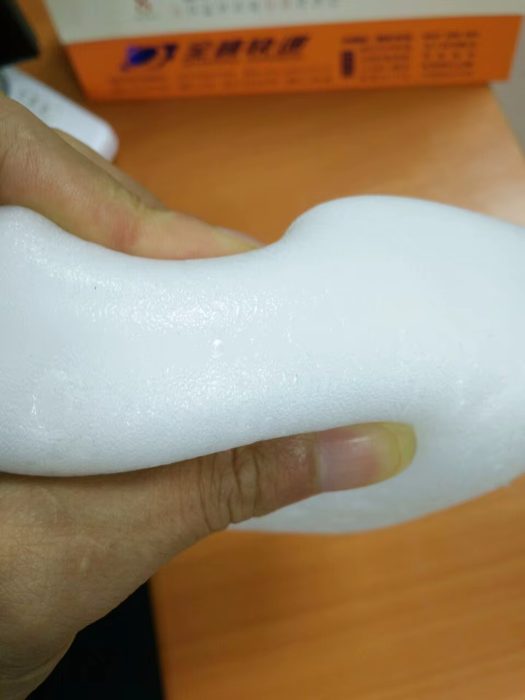
Industrial Transparent High Tear Resistant Silicone Sheet
Grade: IndustrialTear Resistance: HighTransparency: Transparent
-
-
-
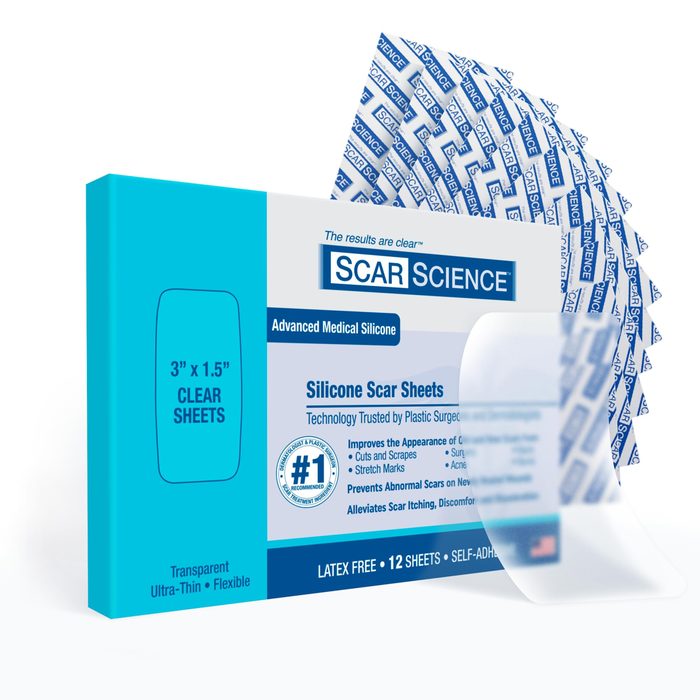
Medical Grade Silicone Gel Scar Sheet
Grade: Medical
-
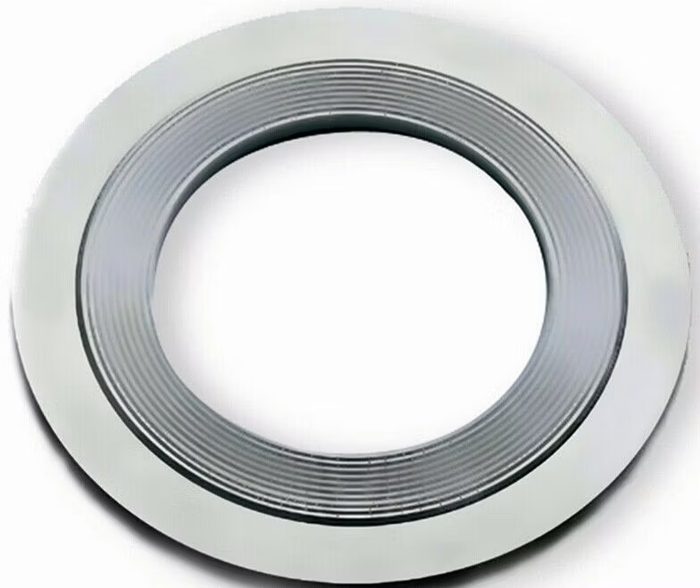
Metal Serrated Gasket with Graphite on Surface
Surface Coating: Graphite
from $0.50Made-in-China $0.50 -
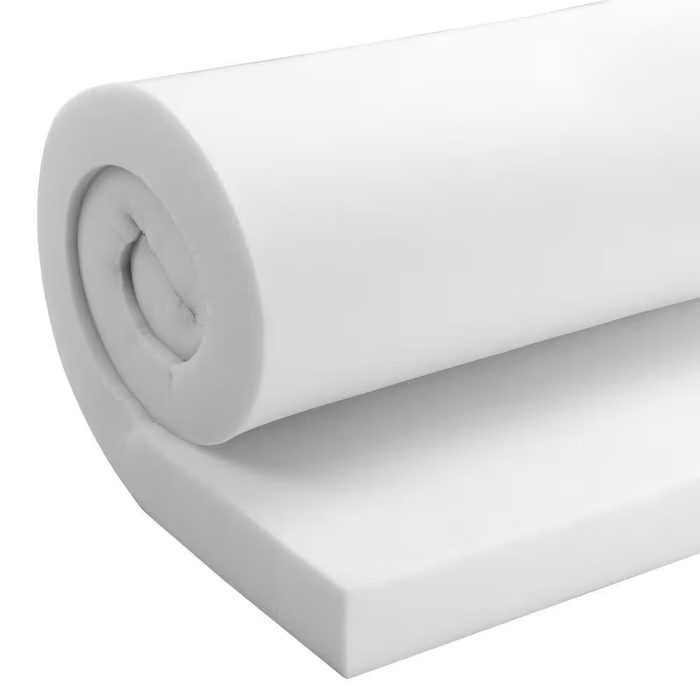
Multi-Purpose Foam
Length: 22 inThickness: 2 inWidth: 22 in
-
-
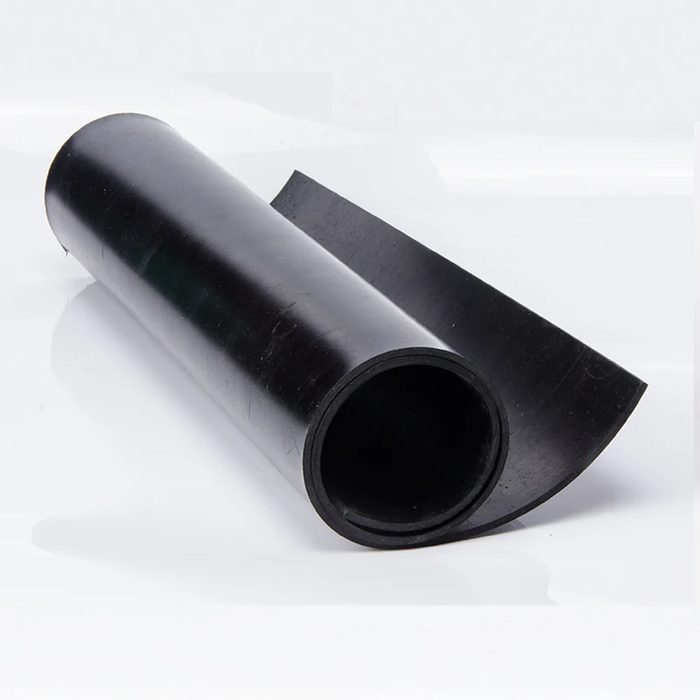
NBR Nitrile Rubber Gasket Sheet
Dimensions: 15 cm x 100 cmHardness: 70Thickness: 1-3 mm
-
-
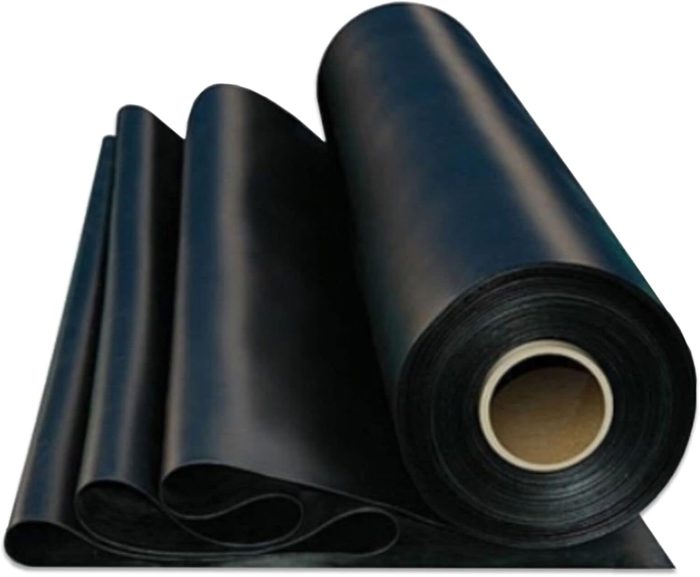
NR EPDM Black Rubber Roofing, 10 x 12, 60 mil
Dimensions: 10 x 12Thickness: 60 mil
-
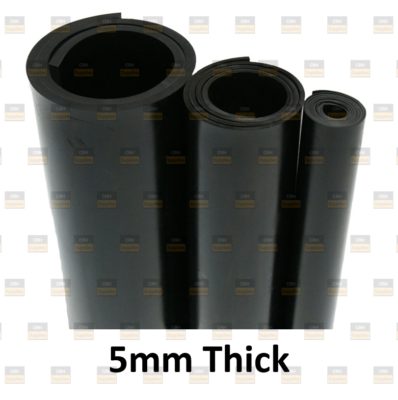
Neoprene - Commercial Grade - 45A - Soft Rubber Sheet Rolls
Durometer Shore A: 45AGrade: Commercial
-
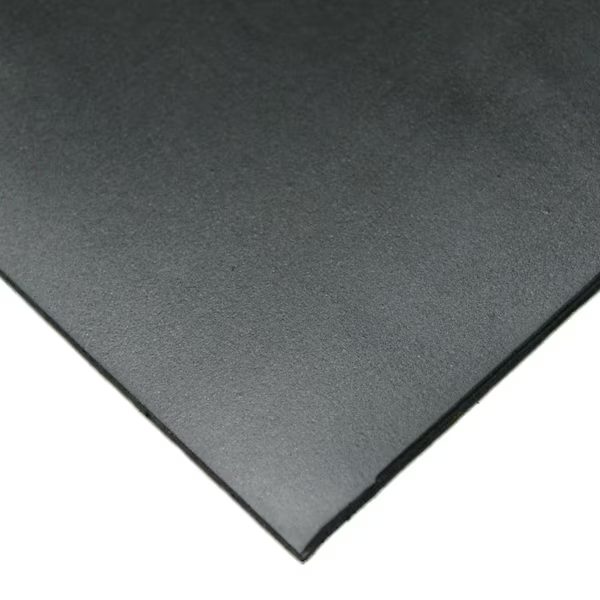
Neoprene 1/16 in. x 24 in. x 12 in. Commercial
Length: 12 inThickness: 1/16 inWidth: 24 in
-
Neoprene 1/4 in. x 36 in. x 24 in. Commercial Grade 45A
Durometer: 45ALength: 24 inThickness: 1/4 inWidth: 36 in
-
-
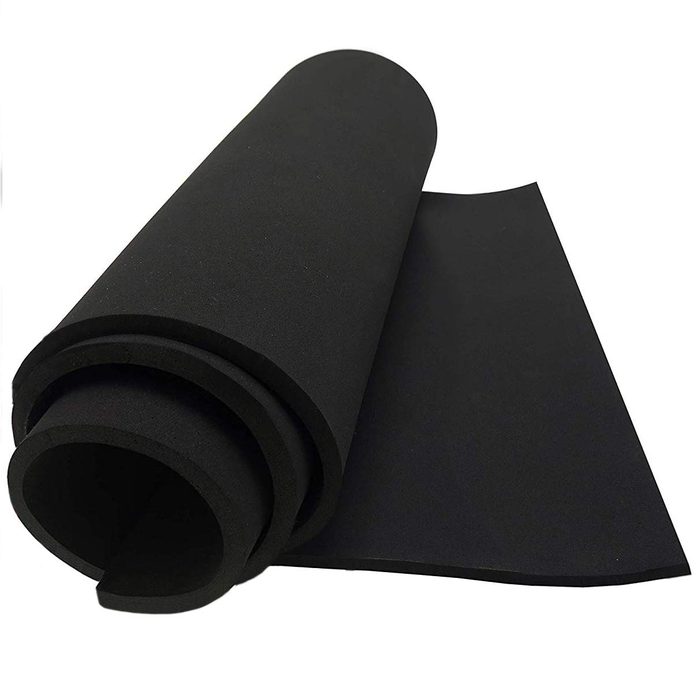
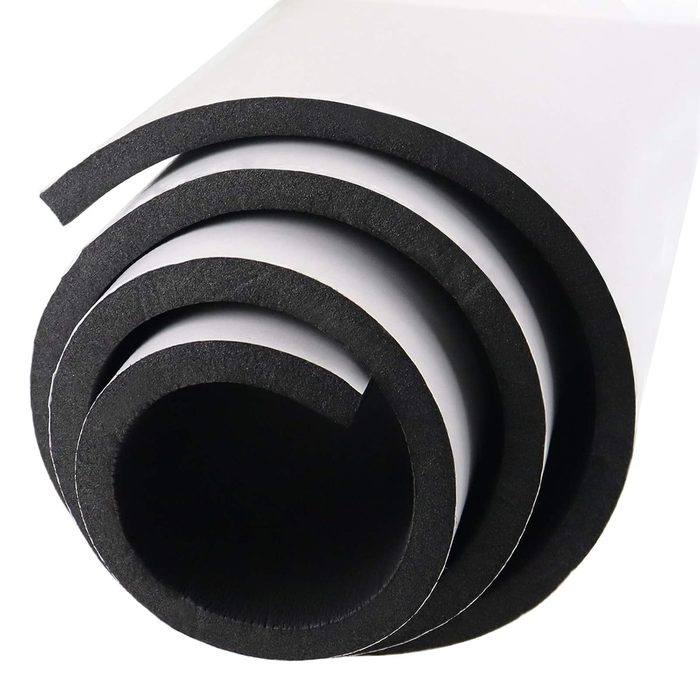
Neoprene Foam Rubber
Thickness: 3/8 inch
-
-
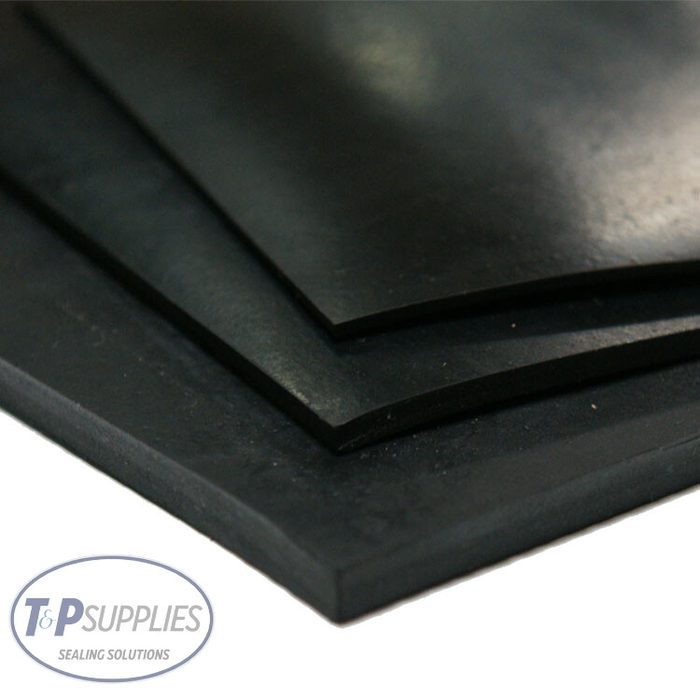
Neoprene Rubber Gasket Sheet 48" W x 4' L x 1/8" Thk Black
Color: BlackLength: 4 ftStyle: General PurposeTensile Strength: 800 psiThickness: 1/8"
-
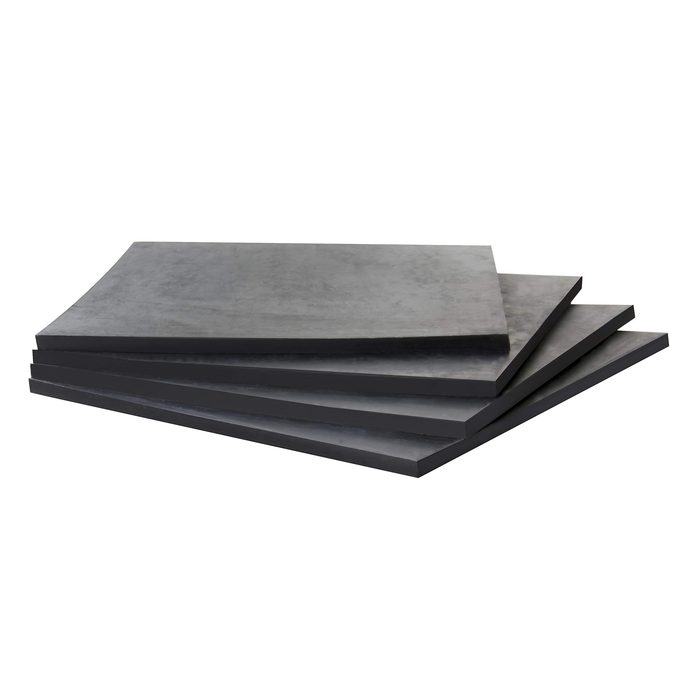
Neoprene Rubber Sheet
Length: 36 inThickness: 3/16 inWidth: 12 in
-
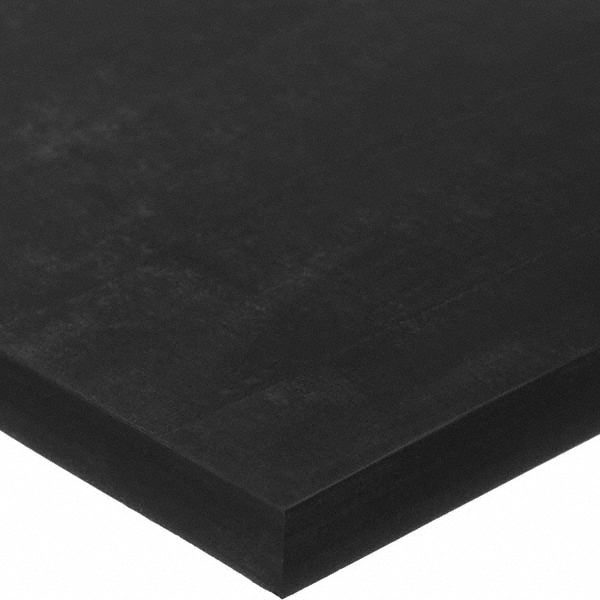
Neoprene Rubber Sheet - 1" Thick x 36" Width x 24" Length
Length: 24 inchThickness: 1 inchWidth: 36 inch
-
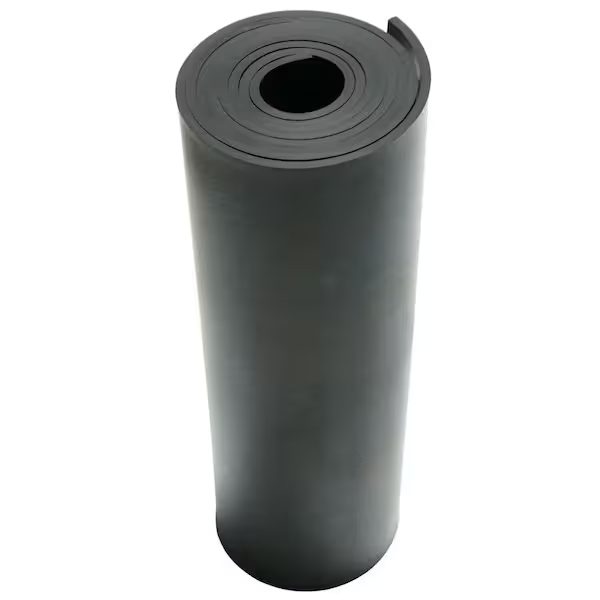
Neoprene Rubber Sheet No Adhesive - 50A
Hardness: 50AThickness: 1/8"
-
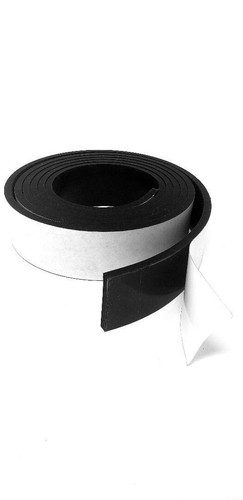
Neoprene Rubber Sheet Solid w/Peel-Back Adhesive
Durometer: 60A DuroLength: 12"Thickness: 3/8"Width: 4"
-
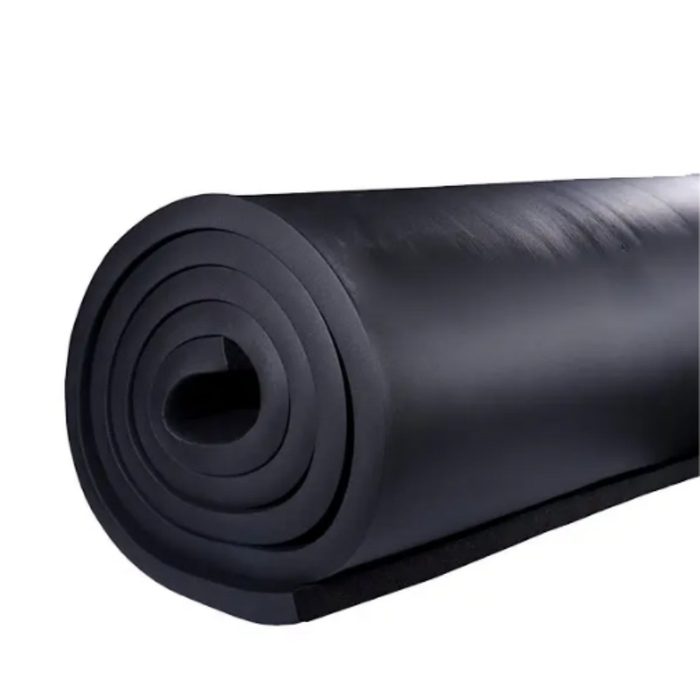
Neoprene Rubber Sheet with Acrylic Adhesive - 50A
Hardness: 50A
-
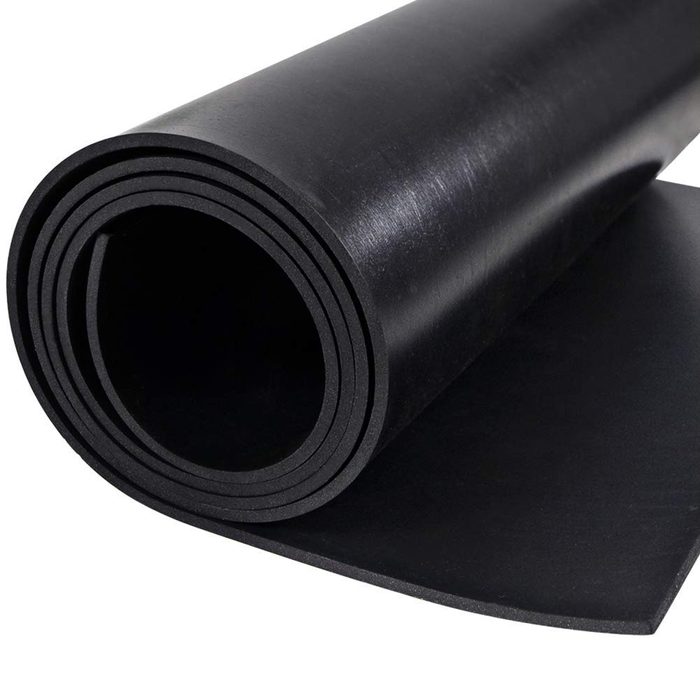
Neoprene Rubber Solid Sheet
Thickness: 1/4"
-
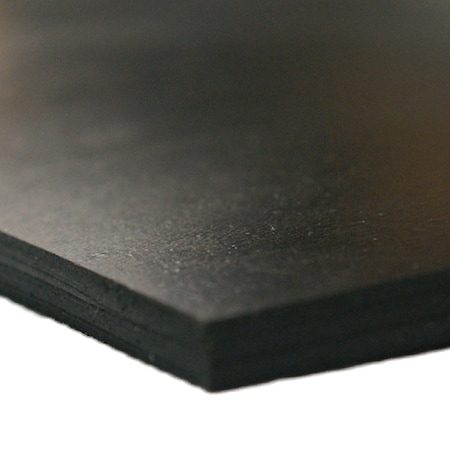
Neoprene Sheet - 40A - Smooth Finish - No Backing
Backing: NoDurometer Shore A: 40AFinish: Smooth
-
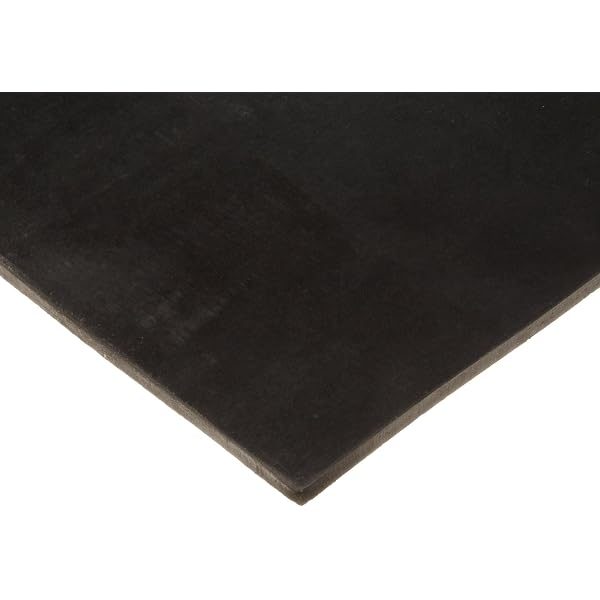
Neoprene Sheet - 60A - Smooth Finish
Durometer Shore A: 60AFinish: Smooth
-
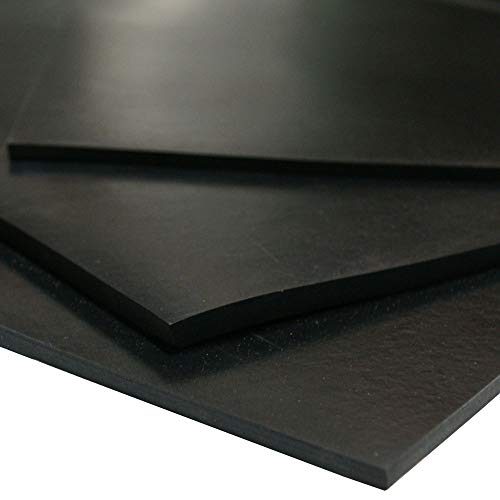
Neoprene Sheet - 60A - Smooth Finish - No Backing
Backing: NoDurometer Shore A: 60AFinish: Smooth
-
Neoprene Sheet - 60A - Smooth Finish - No Backing
Backing: NoDurometer Shore A: 60AFinish: Smooth
-
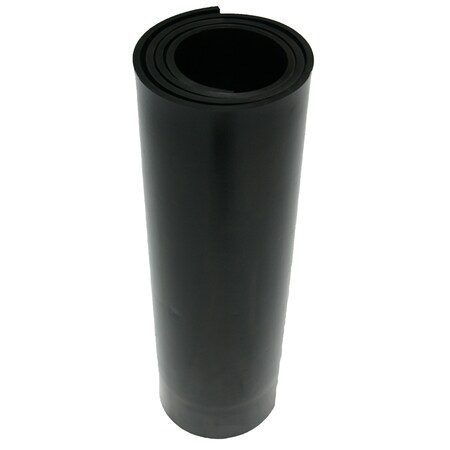
Neoprene Sheet - 70A - Smooth Finish - No Backing
Backing: NoDurometer Shore A: 70AFinish: Smooth
-
Neoprene Sheet - 70A - Smooth Finish - No Backing
Backing: NoDurometer Shore A: 70AFinish: Smooth
-
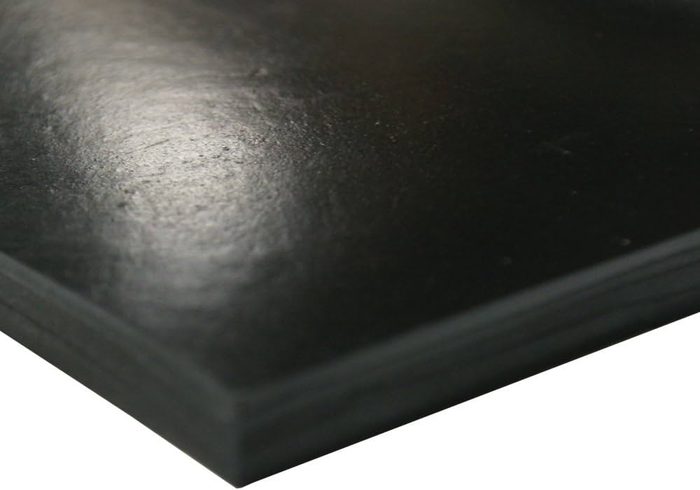
Neoprene Sheet - 80A - Smooth Finish - No Backing
Backing: NoDurometer Shore A: 80AFinish: Smooth
-
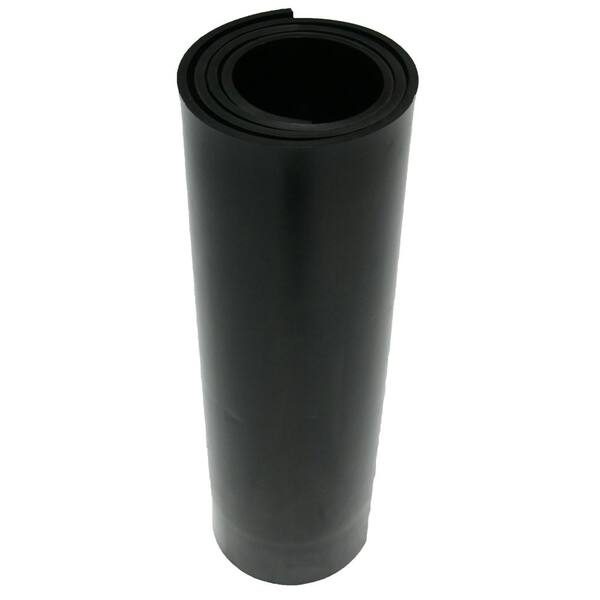
Neoprene Sheet 0.062 in. T x 2 in. W x 36 in. L 80A
Durometer: 80ALength: 36 inThickness: 0.062 inWidth: 2 in
-
Neoprene Sheet 50A Durometer 1/8 in. T x 12 in. W
Durometer: 50AThickness: 1/8 inWidth: 12 in
-
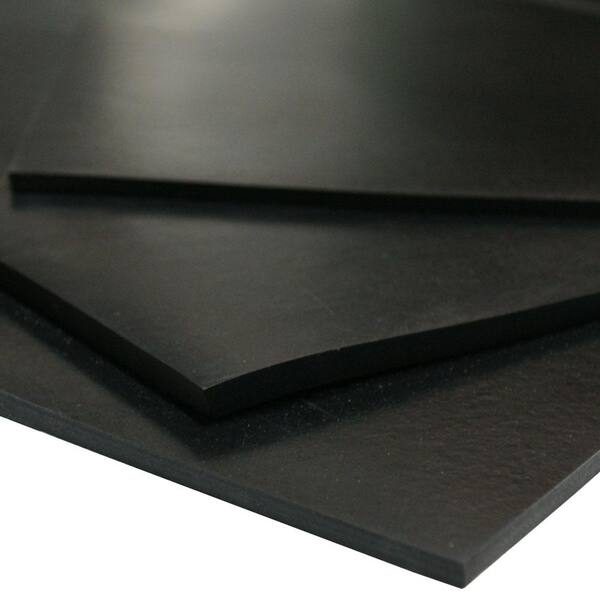
Neoprene Sheet 50A Durometer 1/8 in. Thick
Durometer: 50AThickness: 1/8 in
-
Neoprene Sheet 50A Durometer 3/16 in. Thick
Durometer: 50AThickness: 3/16 in
About rubber & foam stock
Rubber and foam stock encompasses a range of sheet materials utilized for sealing, cushioning, insulation, and vibration dampening applications. Common types include neoprene, EPDM (ethylene propylene diene monomer), silicone, cork, and closed-cell foam. Neoprene provides good resistance to oils, chemicals, and weathering, making it suitable for outdoor gaskets and seals. EPDM offers excellent resistance to ozone, UV exposure, and extreme temperatures, frequently used in automotive and HVAC systems. Silicone rubber exhibits high-temperature stability, flexibility, and biocompatibility, ideal for medical and food-grade applications. Cork, often blended with rubber, provides good compressibility and oil resistance for gasketing. Closed-cell foam, such as PVC/nitrile or polyethylene foam, offers superior sealing against liquids and gases, thermal insulation, and impact absorption. Selection is primarily based on material composition, durometer (hardness), thickness, and sheet dimensions. Key ratings include temperature range, chemical compatibility, tensile strength, and compression set. Available forms typically include rolls, sheets, and strips, with or without adhesive backing.
How to choose
When selecting rubber and foam stock, first determine the required environmental resistance. Will the material be exposed to oils, UV, extreme temperatures, or specific chemicals? This narrows down the material type (e.g., neoprene for oil, EPDM for outdoor UV, silicone for high heat). Second, what is the application's primary function? Is it sealing (requiring low compression set), cushioning (requiring specific durometer), or insulation (requiring low thermal conductivity)? Third, define the necessary mechanical properties, such as durometer, tensile strength, and elongation, to ensure it meets performance demands. Finally, specify the required dimensions—thickness, width, and length—and consider if an adhesive backing is needed for installation ease.