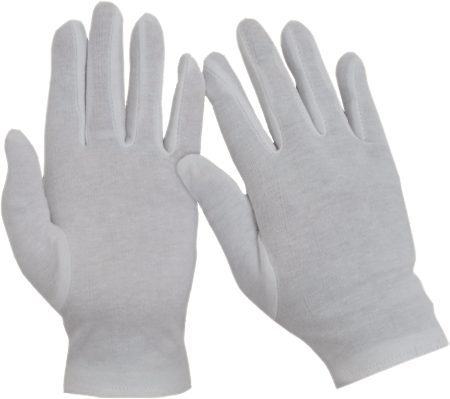
Personal Protective Equipment
Gloves, eye and hearing protection, respirators and hi-vis.
Also searched as: safety glassesglovesrespiratorear plugshard hathi vis
-
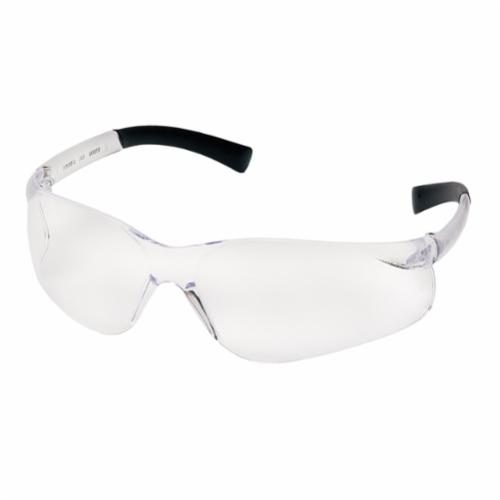
Safety Glasses
Lens Features: Scratch-resistantUV Protection: 99% UVA and UVB
-
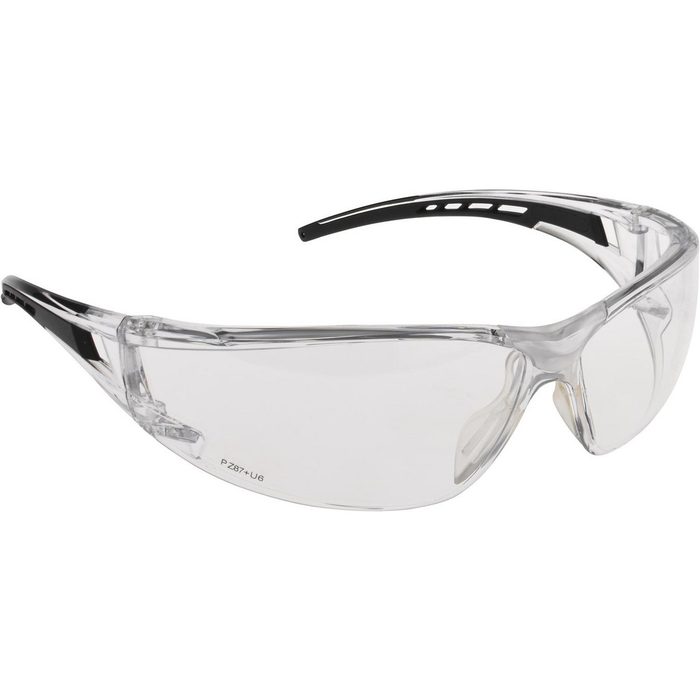
Safety Glasses
Application: General PurposeFrame Color: ClearFrame Type: FramelessLens Color: ClearLens Features: Anti-Fog & Scratch-Resistant
-
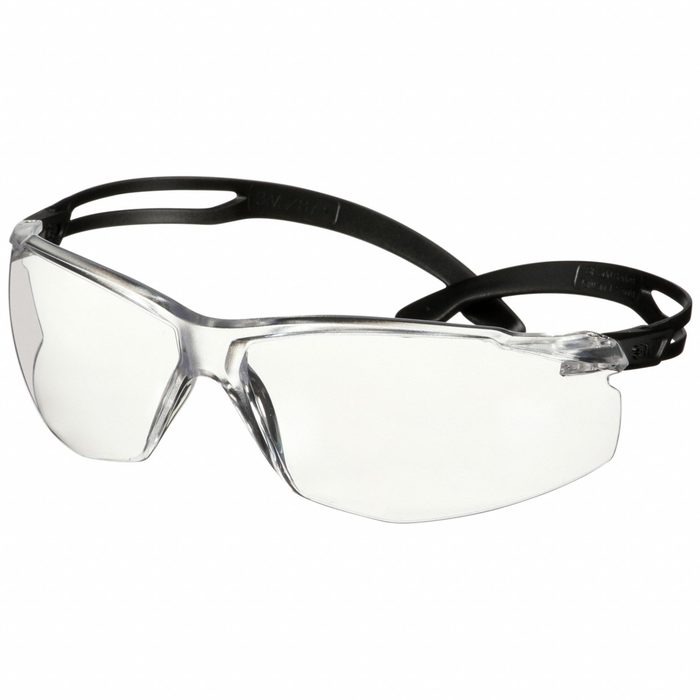
Safety Glasses
Frame Type: Full-FramedLens Color: ClearLens Features: Uncoated
-
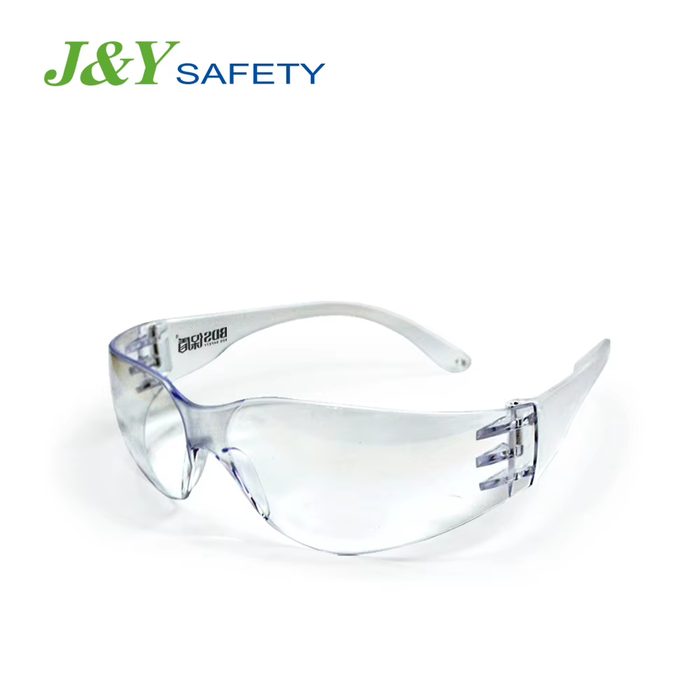
Safety Glasses
Feature: Anti Scratch, Anti Fog, Anti-Impact, Anti-UV
-
-
-
Safety Helmet
Color: BlackIncludes: Chin Strap
-
Safety Helmet
Peak: Short
-
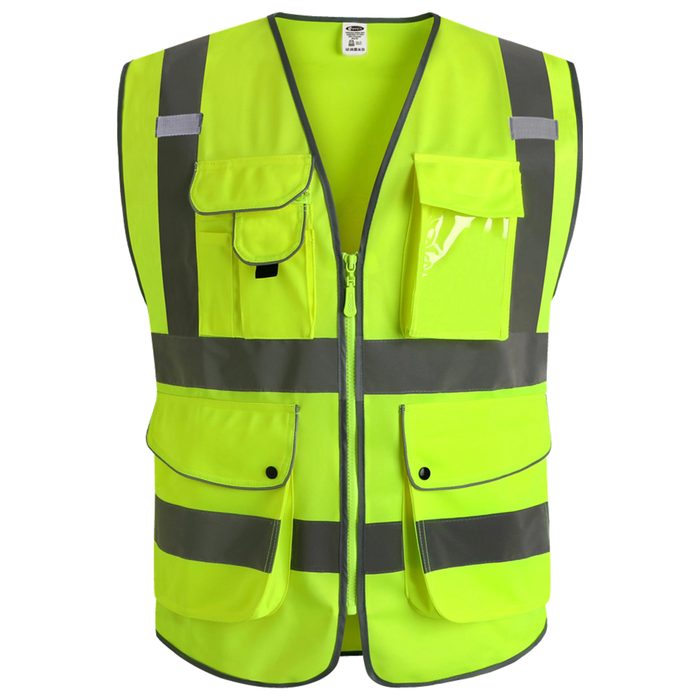
Safety Vest
Color: Neon YellowFeature: Reflective, 360°protection
-
-
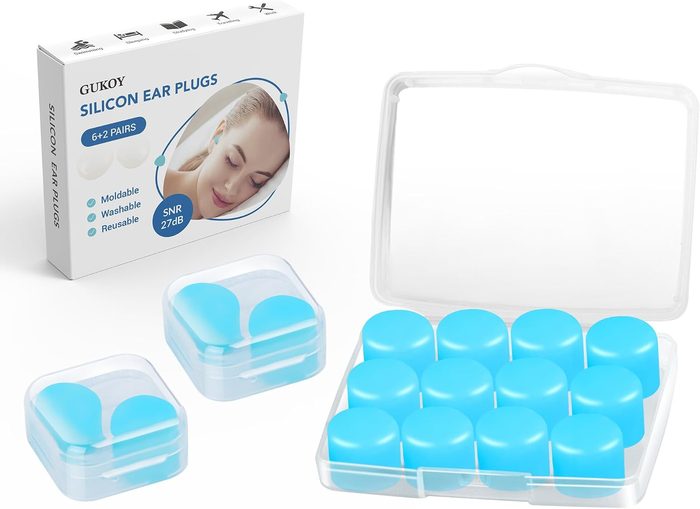
Silicone Ear Plugs
Features: Noise Reduction, Soft, Waterproof
-
-
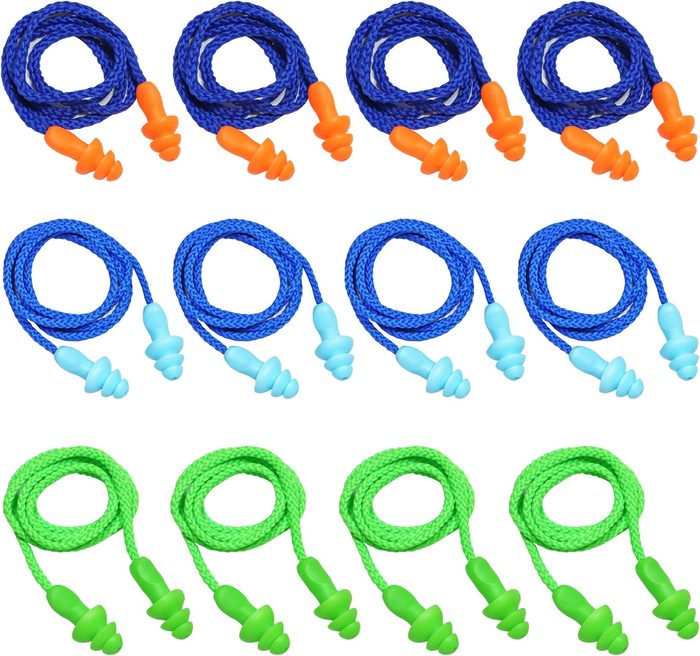
Silicone Ear Plugs with Cord
Noise Attenuation: 28 dB
-
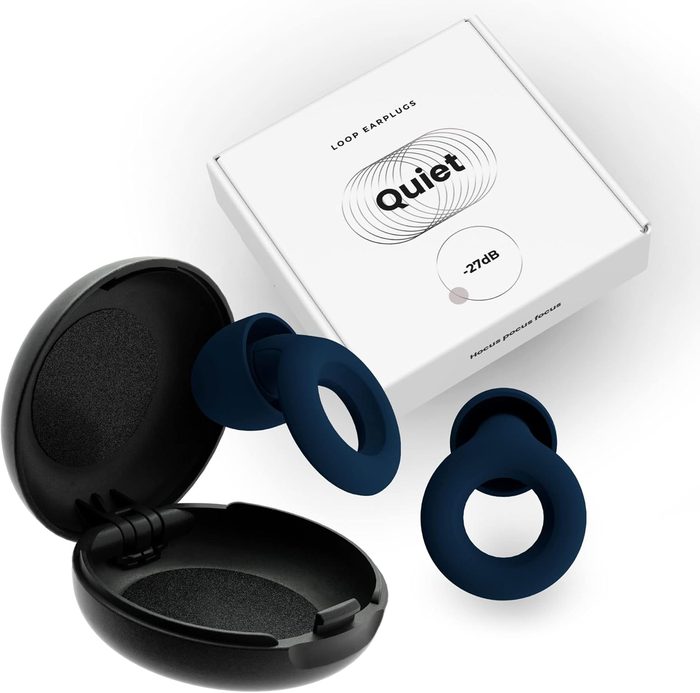
Silicone Loop Ear Plugs for Noise Reduction
Type: Loop
-
-
-
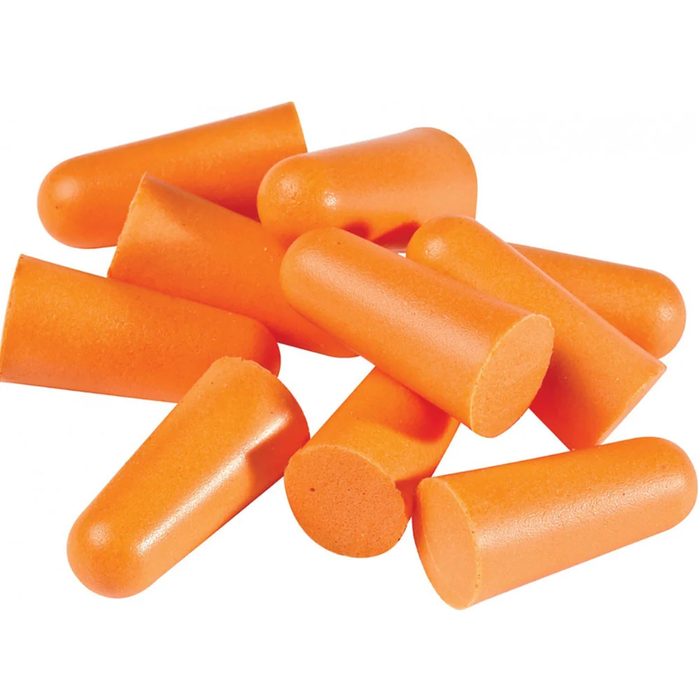
Soft PU Foam Ear Plugs
Features: Noise Cancelling, Slow Rebound
-
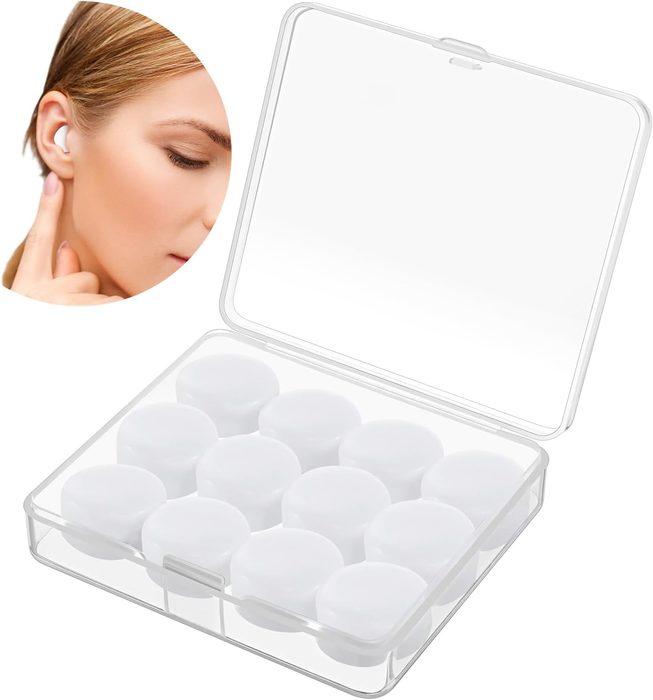
Soft Silicone Ear Plugs
Softness: Soft
-
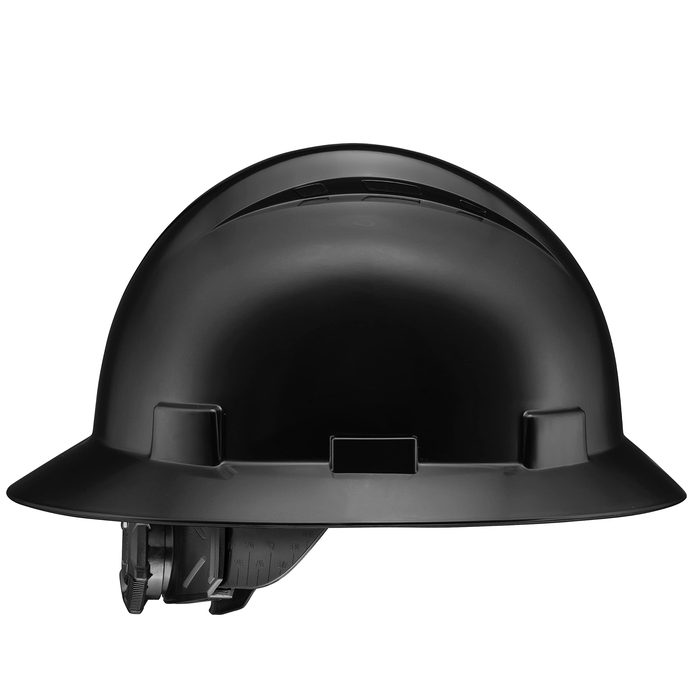
-
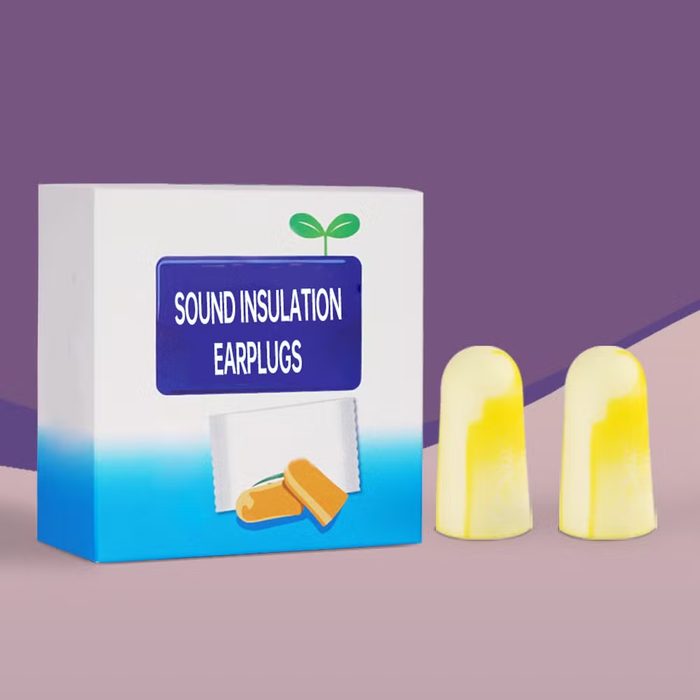
Soundproof Antibacterial Independent Packaging Foam Earplug
Color: YellowConnector: WirelessHS Code: 4016109000Material: SpongeModel NO.: LV017-18
from $0.75Made-in-China $0.75 -
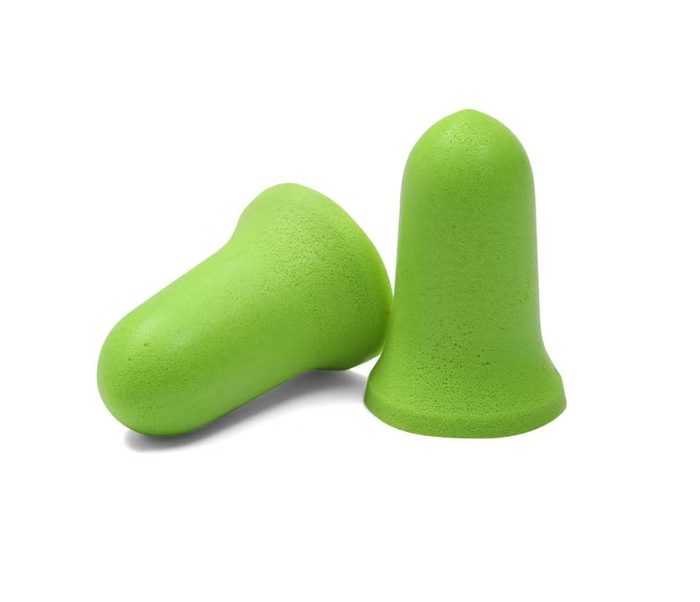
Soundproof Safety Noise Reduction PU Foam Ear Plugs
Feature: SoundproofNoise Reduction: True
-
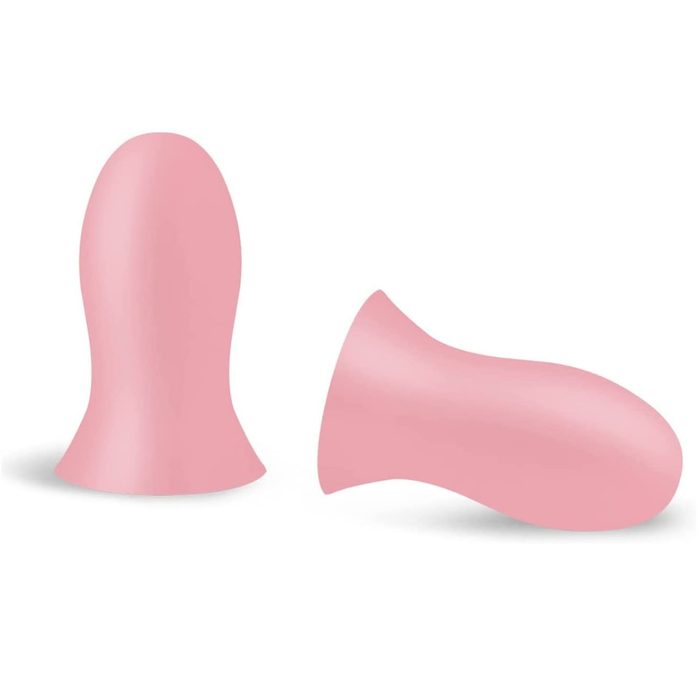
Super small ear plugs for sleeping
Height: 22mm
-
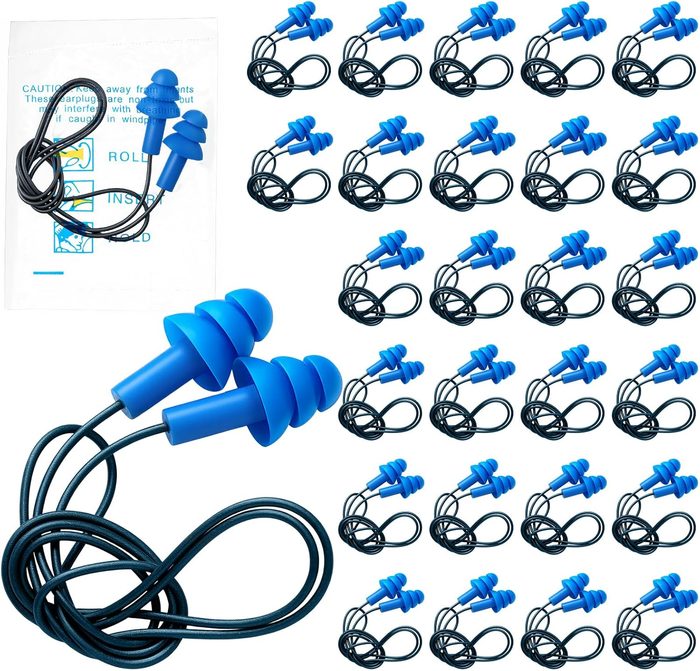
TPR Ear Plugs
Application: Sleep, Hearing Protection
-
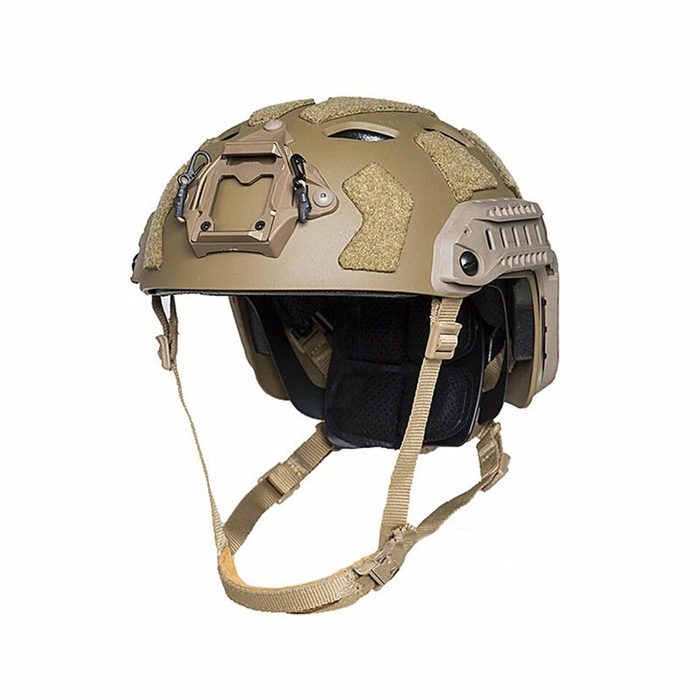
Tactical Fast SF Helmet
Hoop Size: 61-64CM
-
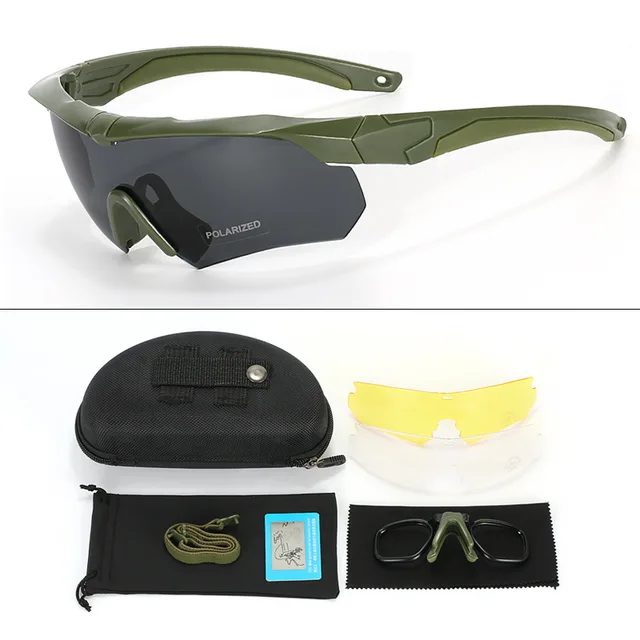
Tactical Goggles 3 Lens Set
Rating: Z87
-
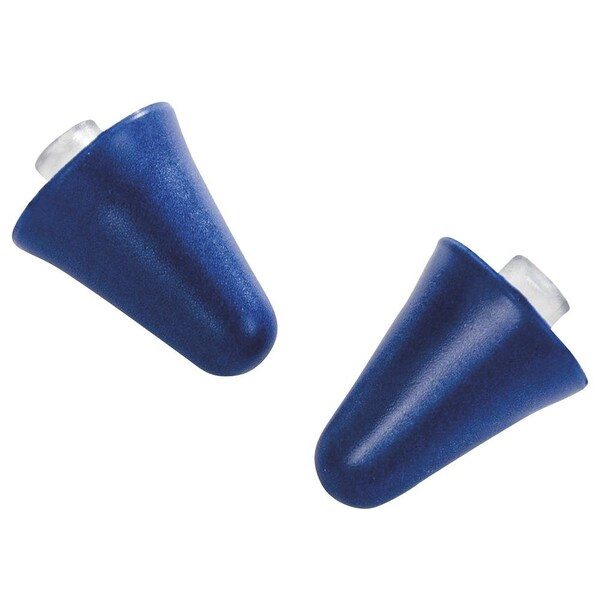
Tapered Ear Plugs
Noise Reduction Rating: 32 dBSize: One Size Fits Most
-
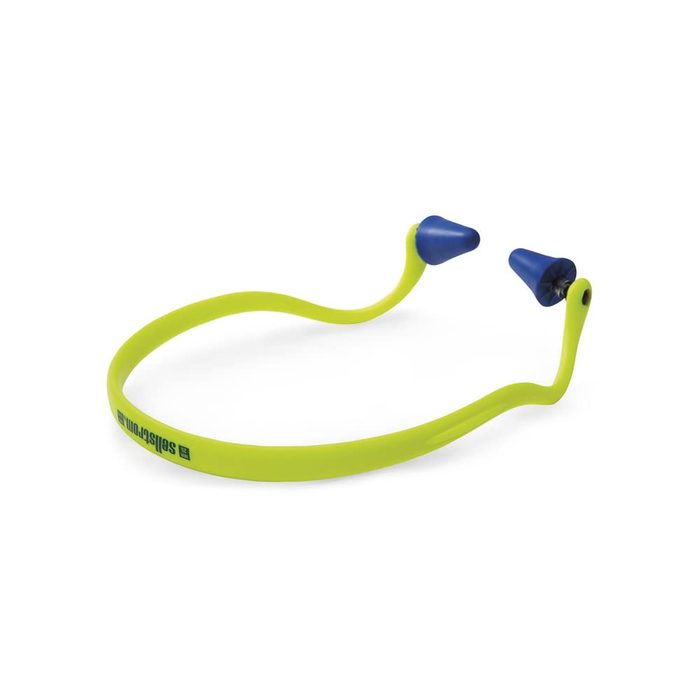
Tapered Foam Earplugs Hearing Protection Banded Ear Plugs
Anti Noise: 34dbSize: 13*24mm
-
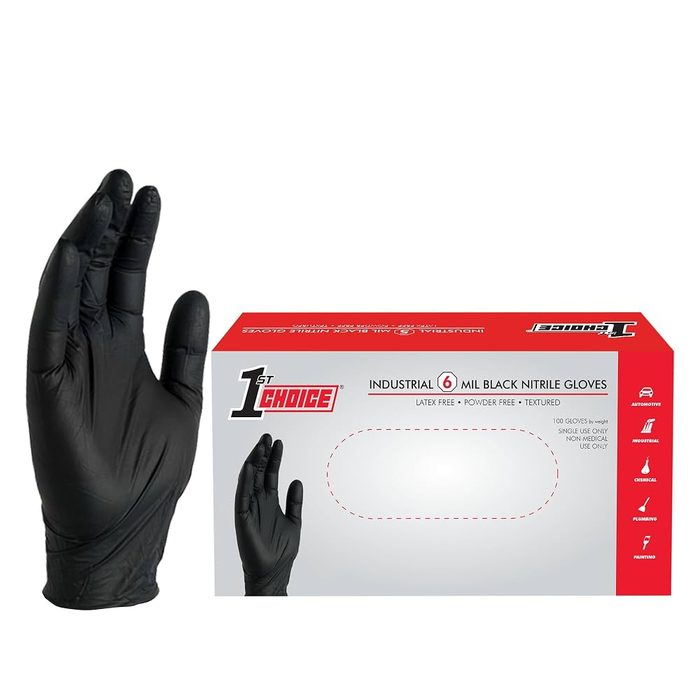
Thick Latex Powder Free Multi-Purpose Gloves
Length: 12 inchesPowder: Powder FreeThickness: 14 mil
-
-
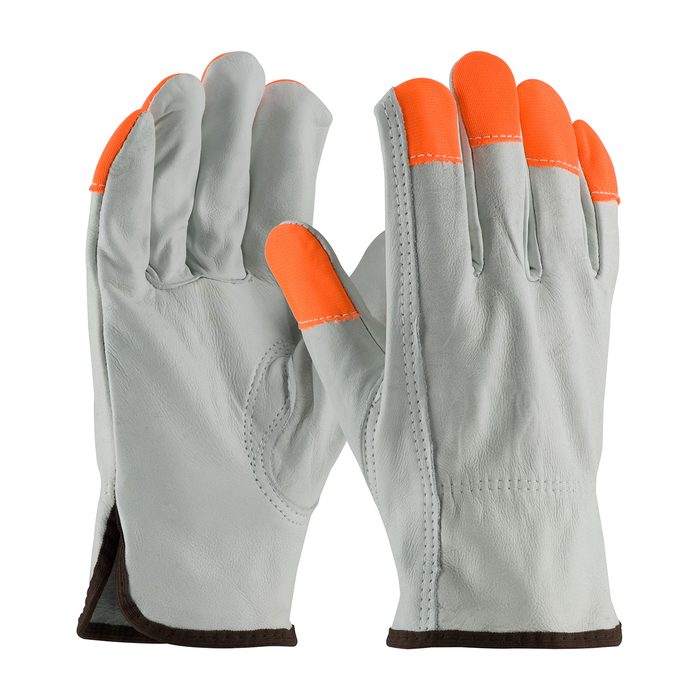
-
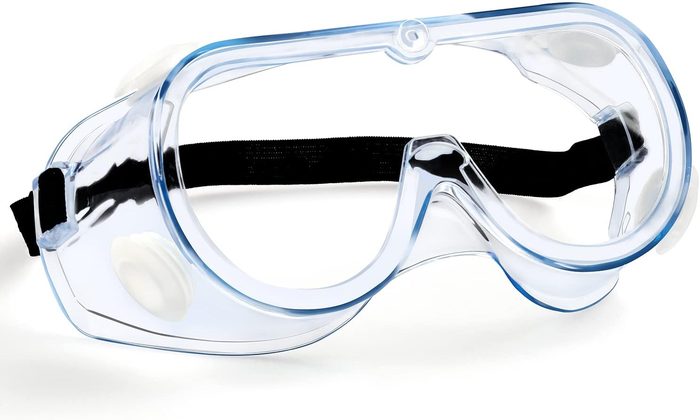
Unisex Protective Safety Goggles
Lens Features: Anti-Fog, Anti-Scratch, UV Protection, Dust ProtectionRating: ANSI Z87, CE EN166
-
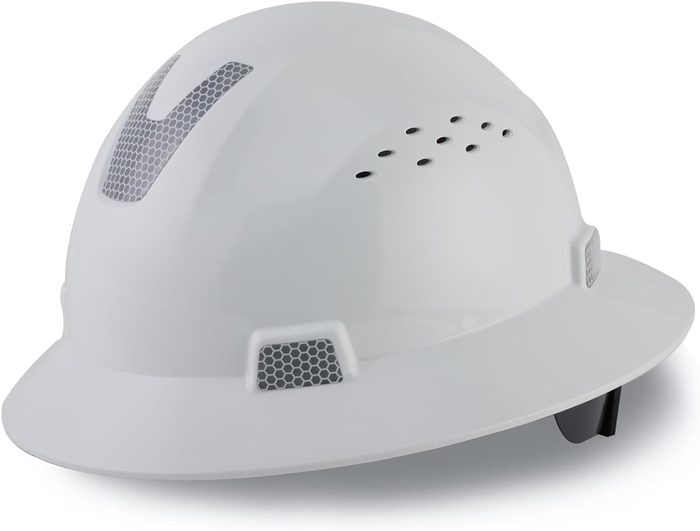
Vented Full Brim Hard Hat
Approval: OSHA ApprovedType: Full Brim, Vented
-
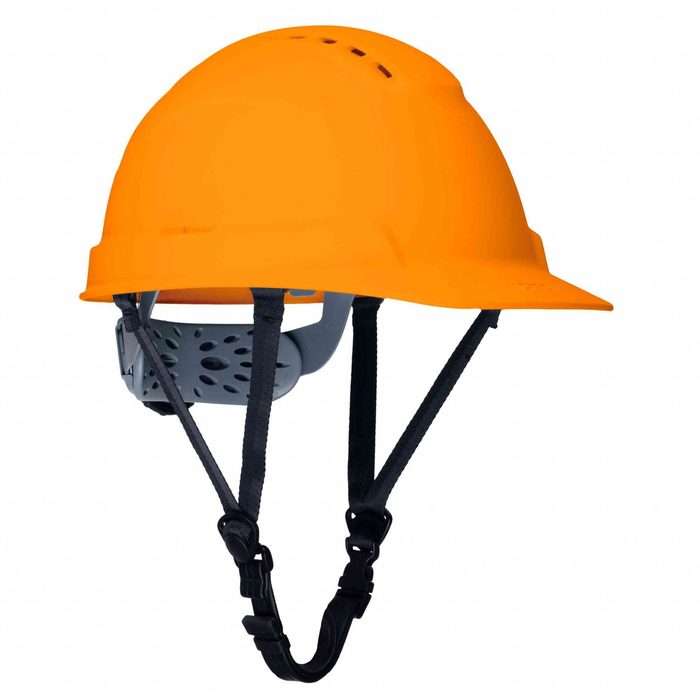
Vented Hard Hat with Chin Strap
Certification: ANSI Z89.1
-
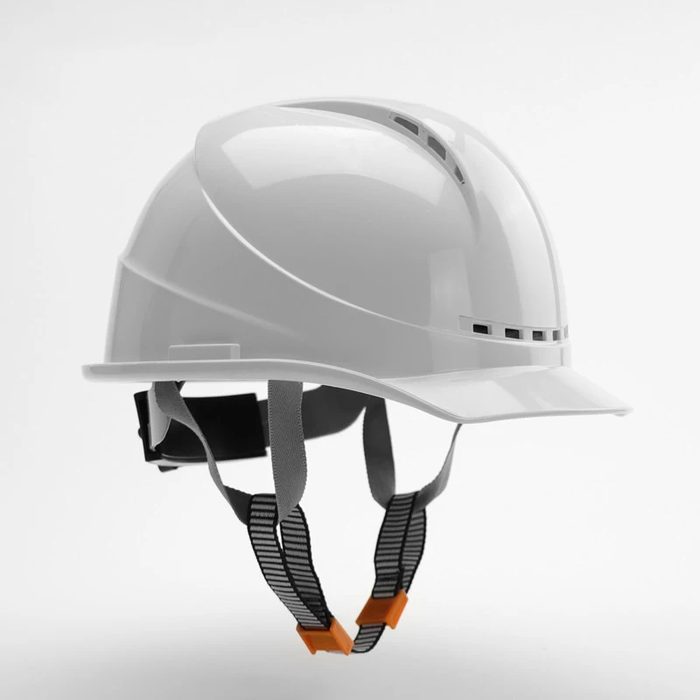
Vented Hard Hat with Premium ABS Shell
Feature: Vented, Ratchet Suspension
-
Washable Safety Ear Plugs
Color: OrangeCord: NylonFeatures: Hearing Protection, ReusableSize: Regular
-
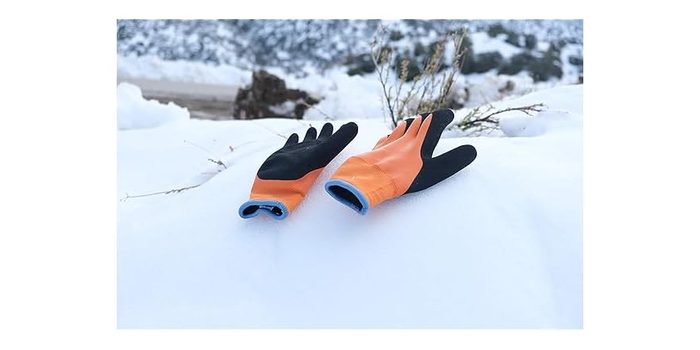
Waterproof Winter Gloves
Coating: Double CoatedWaterproofing: 100%
About personal protective equipment
Personal Protective Equipment (PPE) encompasses a range of devices and garments designed to protect users against health or safety risks. Key categories include hand protection, eye protection, hearing protection, respiratory protection, and high-visibility clothing. Hand protection, such as industrial gloves, is specified by material (e.g., nitrile, latex, leather, cut-resistant fibers), thickness (mil or gauge), and protection ratings against chemicals (EN 374), cuts (EN 388), or heat. Eye protection, including safety glasses and goggles, is rated for impact resistance (ANSI Z87.1, EN 166), UV protection, and lens tint. Hearing protection, such as earplugs and earmuffs, is characterized by its Noise Reduction Rating (NRR) in decibels (dB), with NRR values typically ranging from 0 to 33 dB. Respirators are categorized as air-purifying (e.g., N95, P100, half-mask, full-face) or supplied-air, and are selected based on the specific airborne contaminants and their Permissible Exposure Limits (PELs). High-visibility apparel (e.g., vests, jackets) is classified by ANSI/ISEA 107 standards into performance classes (Class 1, 2, or 3) based on the amount of background and retroreflective material, and the intended work environment. Selection criteria for all PPE types prioritize hazard assessment, fit, and compliance with relevant occupational safety standards.
How to choose
title: Choosing Personal Protective Equipment
steps: Identify the specific hazards present: Is it chemical exposure, impact, noise, airborne particulates, or low visibility? This determines the primary PPE category (e.g., chemical gloves, safety glasses, earplugs, respirator, hi-vis vest).
Quantify the hazard level: What are the decibel levels, chemical types, particle sizes, or impact forces? This dictates the required protection rating (e.g., NRR, ANSI Z87.1 impact rating, specific chemical resistance, respirator filtration efficiency).
Consider the work environment and duration: Will the PPE be exposed to extreme temperatures, require dexterity, or be worn for extended periods? This influences material selection (e.g., insulated gloves, anti-fog lenses, comfortable respirator fit) and compliance with standards for sustained use.
Ensure proper fit and compatibility: Does the PPE fit the user correctly, and is it compatible with other required PPE (e.g., safety glasses under a hard hat, earplugs with a respirator)? Improper fit compromises protection and comfort.