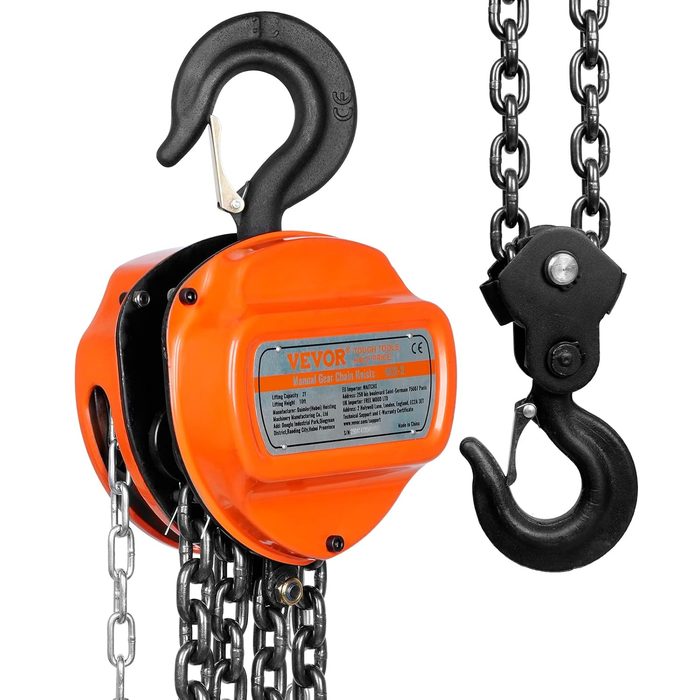
Material Handling
Hoists, jacks, carts, lifting straps and load equipment.
Also searched as: chain hoistpallet jacklifting strapengine hoistcome along
-
-
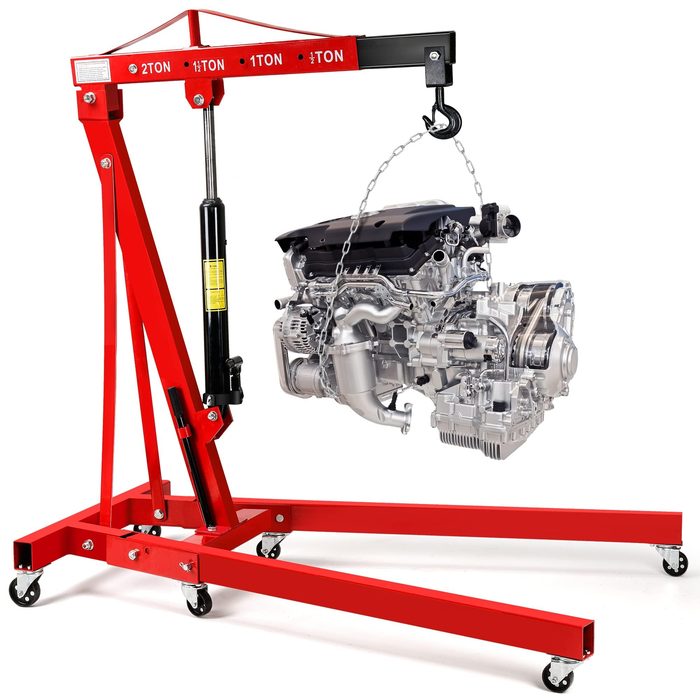
Engine Crane
Capacity: 3 Ton WLL
-
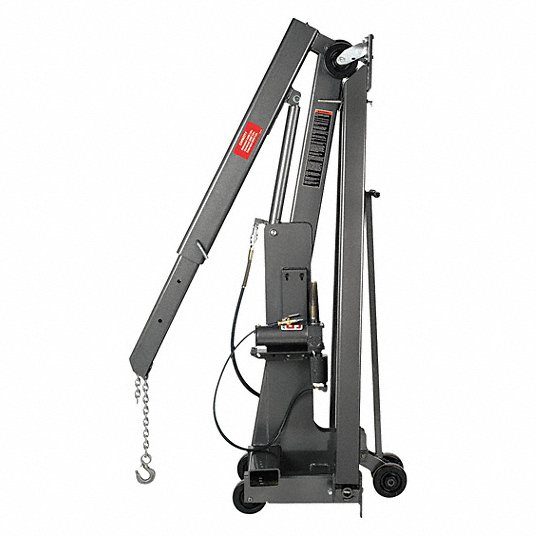
Engine Crane, 27 in Chain Lg
Chain Length: 27 in
-
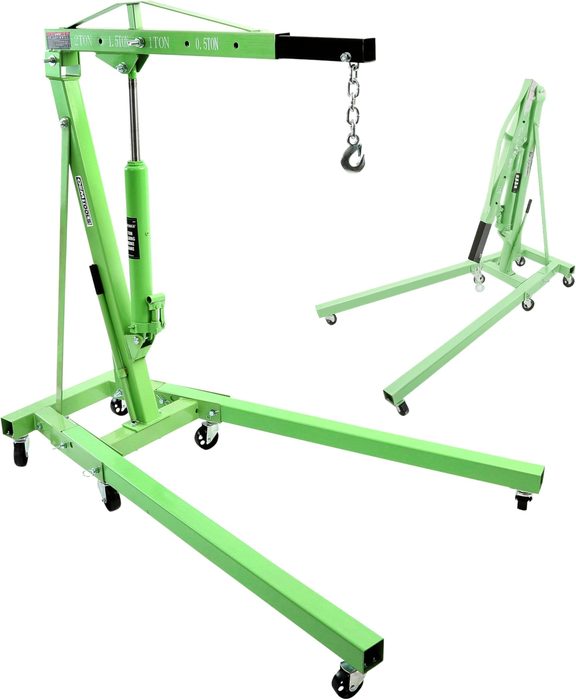
Engine Hoist
Capacity: 2 ton
-
-
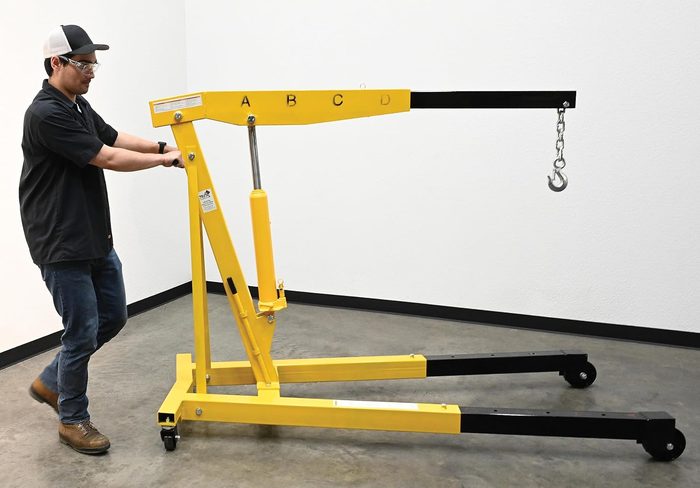
Engine Hoist
Capacity: 4000 lb
-
Engine Hoist
Capacity: 2 Ton
-
Engine Hoist
Capacity: 2 TonLift: 89 in
-
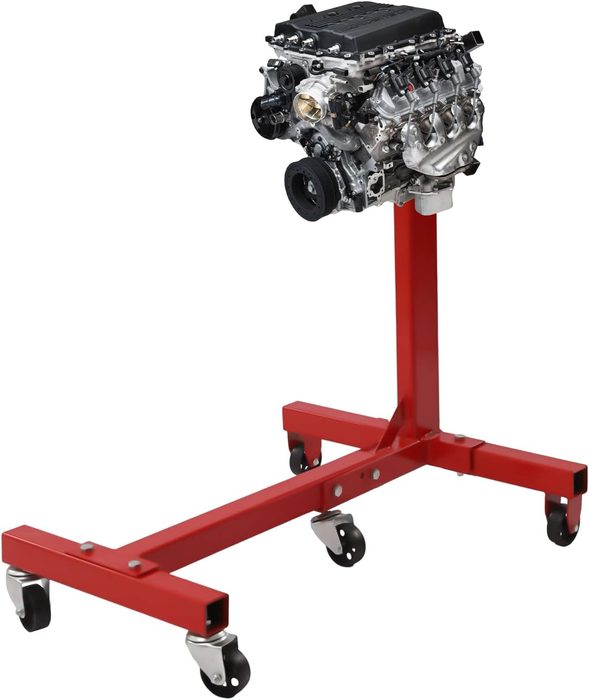
Engine Hoist + Engine Stand
Hoist Capacity: 2000 lbsTruck Crane Capacity: 1000 lbs
-
Engine Hoist 4000lbs
Capacity: 4000 lbs
-
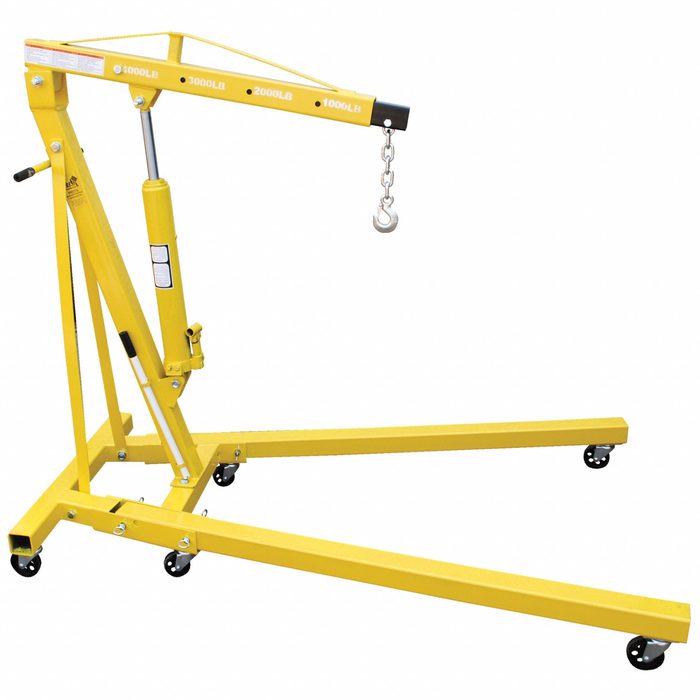
Engine Hoist Folding Legs, 4K
Capacity: 4000 lbs
-
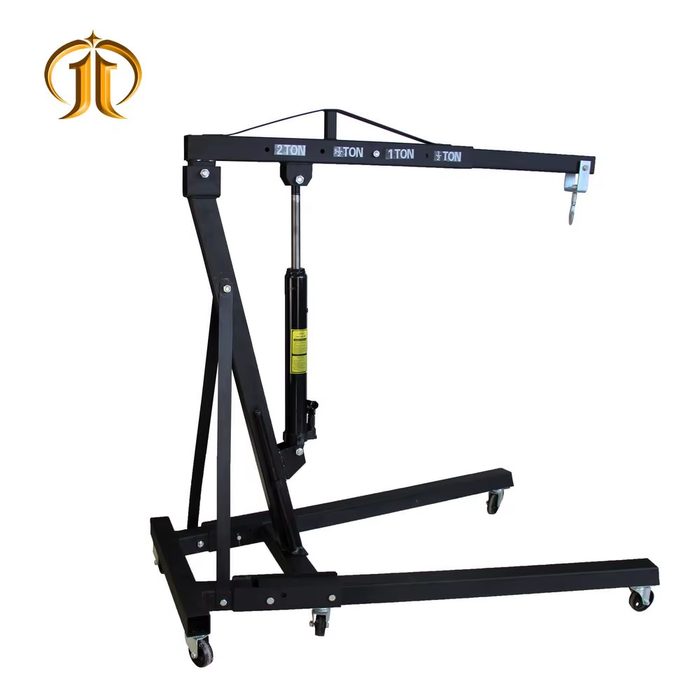
Engine Hoist Lift Floor Crane
Capacity: 2.0 TonCylinder: 8 TonMinimum Lifting Height: 300 mm
-
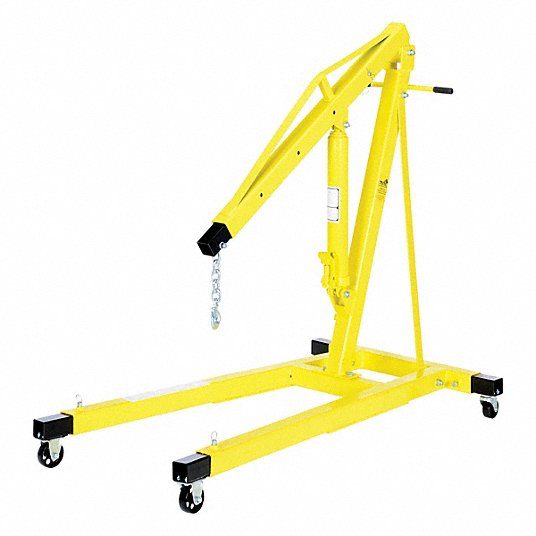
Engine Hoist Telescopic Legs, 4K cap
Capacity: 4000 lbs
-
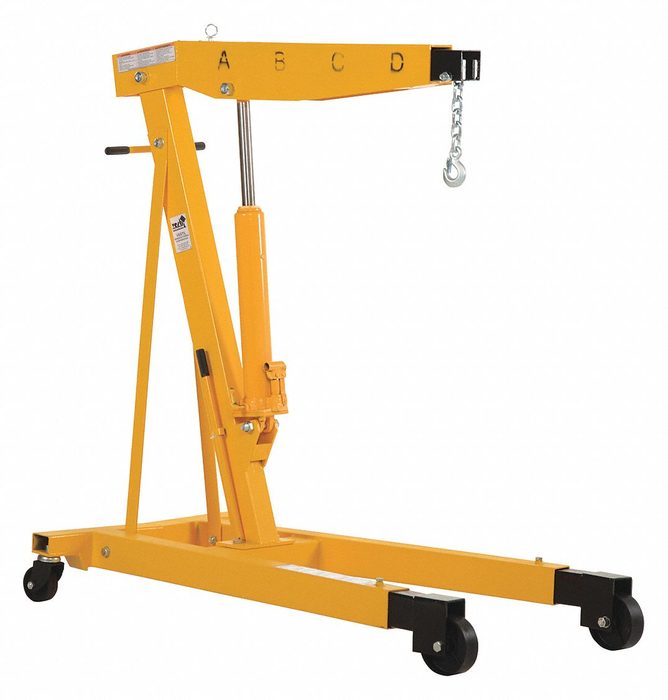
Engine Hoist Telescopic Legs, 6K cap
Capacity: 6000 lbs
-
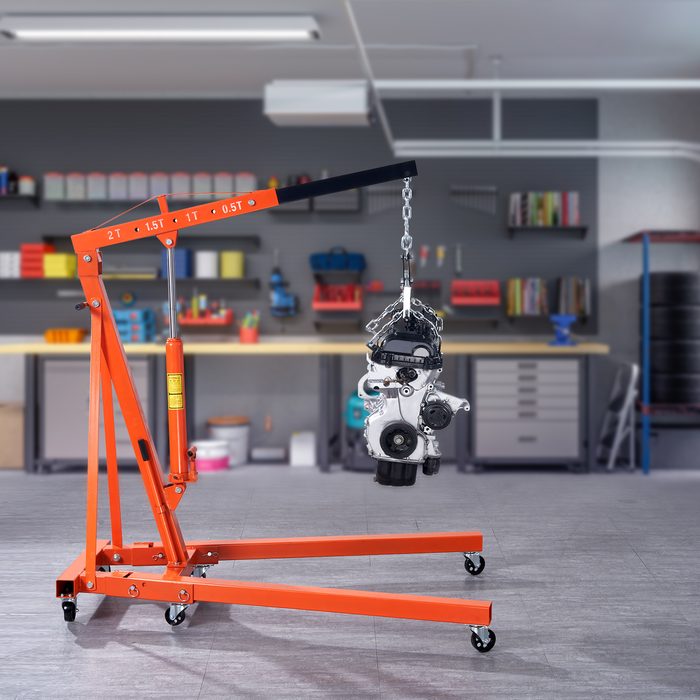
Engine Hoist with Leveler
Engine Hoist Capacity: 6500 lbsLeveler Capacity: 2500 lbsLoad Capacity: 2 ton
-
TO
Engine Hoist, 2-Ton Capacity, 89 in. Lift
Capacity: 2 TonLift: 89 in.
-
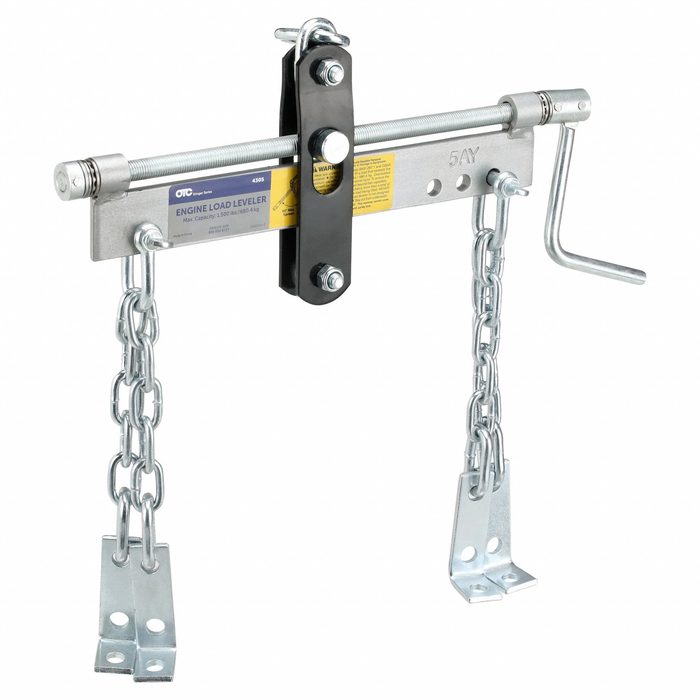
Engine Load Leveler
Capacity: 1000/2000/4000 lbs
-
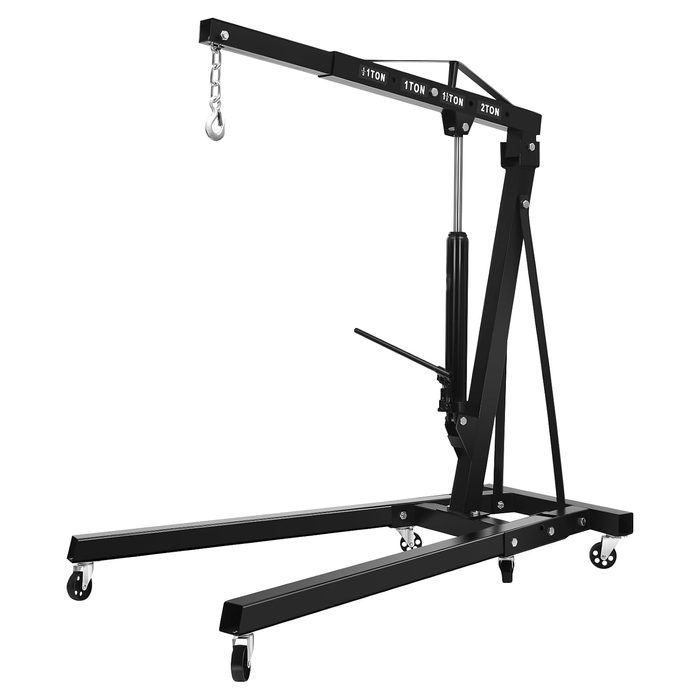
Engine Motor Hoist 4409LBS 2 TON
Capacity: 2 Ton
-
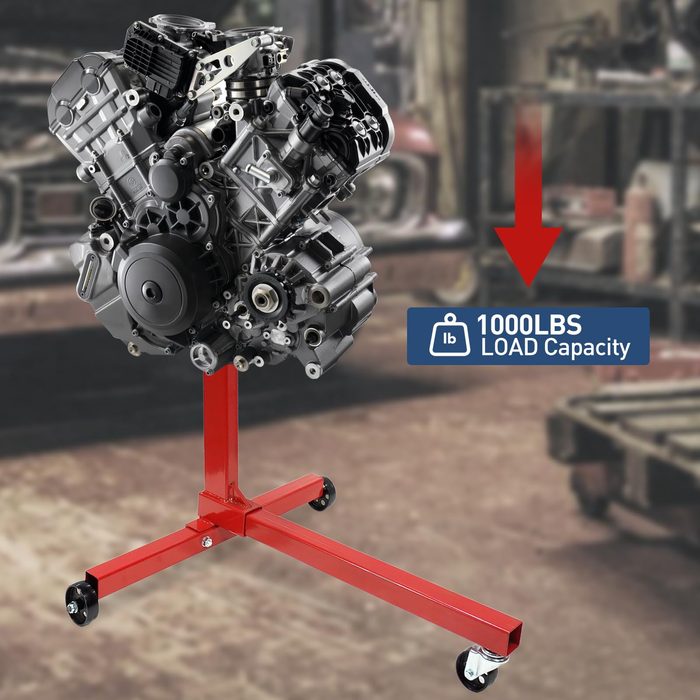
Engine Stand Car Stand Rotating Engine Hoist
Capacity: 750 lbs
-
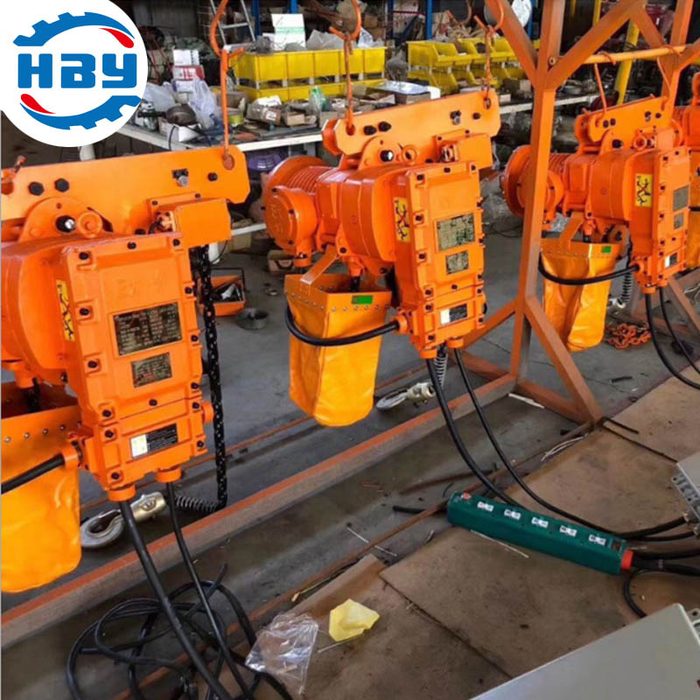
Explosion Proof Electric Chain Hoist
Capacity: 5-10 ton
-
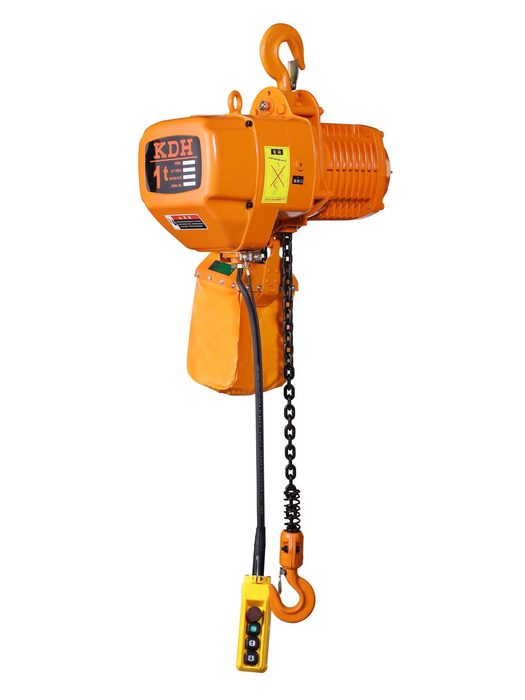
Fixed Type Electric Chain Hoist Hhbb Series
Capacity: 0.5-35tSeries: HhbbType: Fixed
-
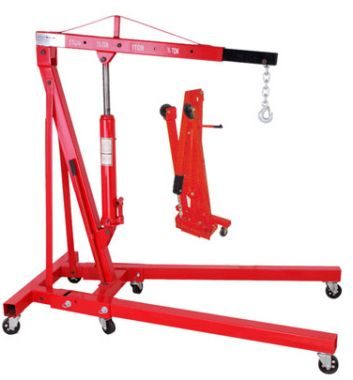
Foldable Engine Crane
Capacity: 2t
-
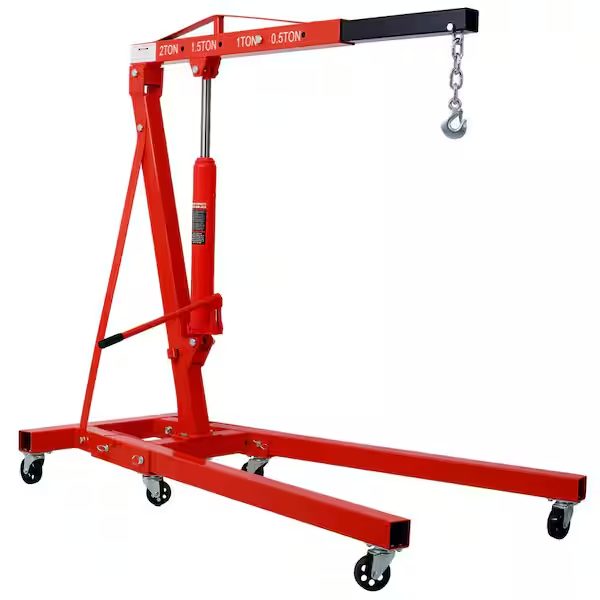
Foldable Engine Crane Hoist Lifter
Capacity: 2-Ton (4000 lbs)
-
Foldable Engine Crane Hoist Lifter
Capacity: 2-Ton (4000 lbs)
-
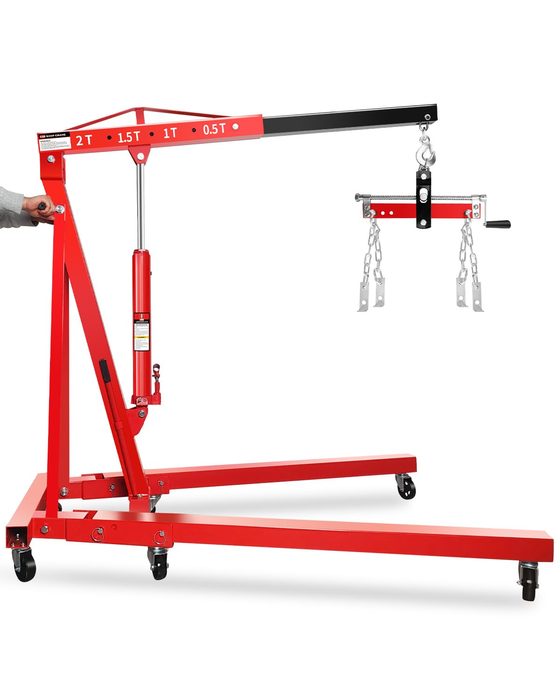
-
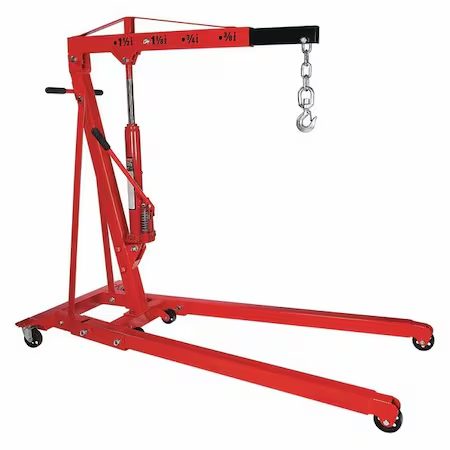
Folding Engine Crane
Capacity: 4000 Lb
-
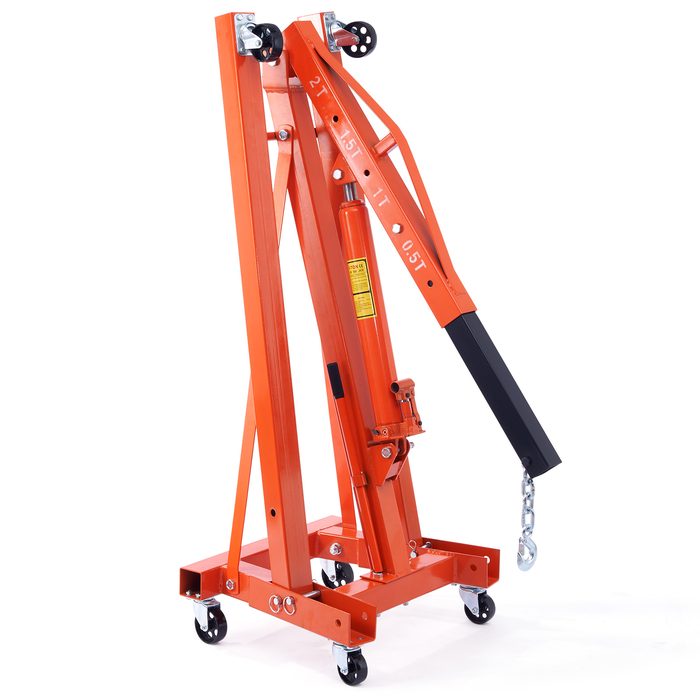
Folding Engine Crane
Capacity: 4000 Lb
-
Folding Engine Hoist
Capacity: 2 tonLoad Capacity: 4400 lbs
-
Folding Engine Hoist
Capacity: 2 ton
-
Folding Engine Hoist
Capacity: 4000 lbs
-
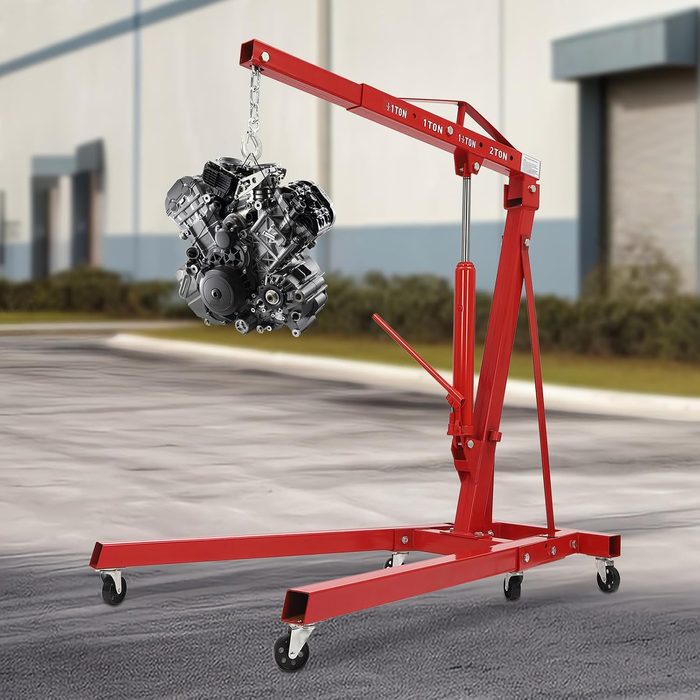
Folding Engine Hoist Cherry Picker Shop Crane
Capacity: 2-Ton
-
Folding Engine Hoist Cherry Picker Shop Crane
Capacity: 4000 lb (2 Ton)
-
Folding Engine Hoist Cherry Picker Shop Crane
Capacity: 2 Ton (4000 lbs)
-
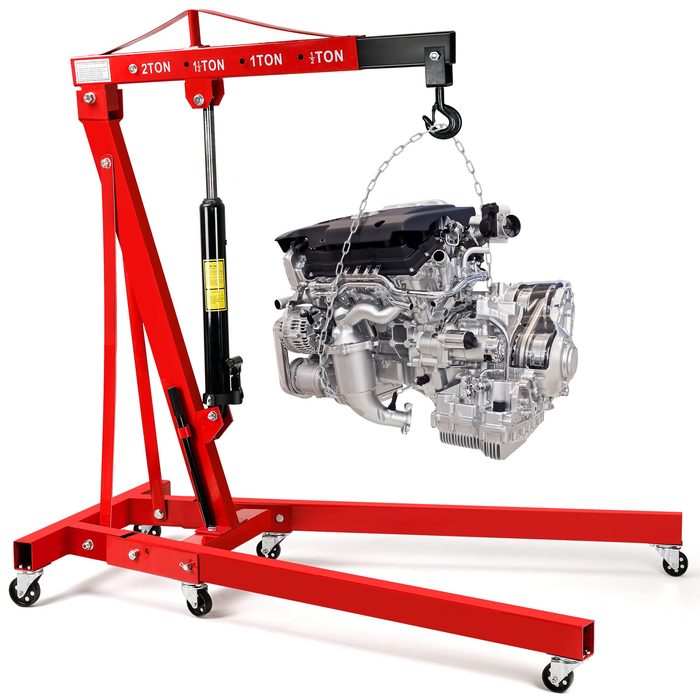
Folding Hydraulic Engine Crane
Capacity: 1 ton, 2 Ton, 3 Ton
-
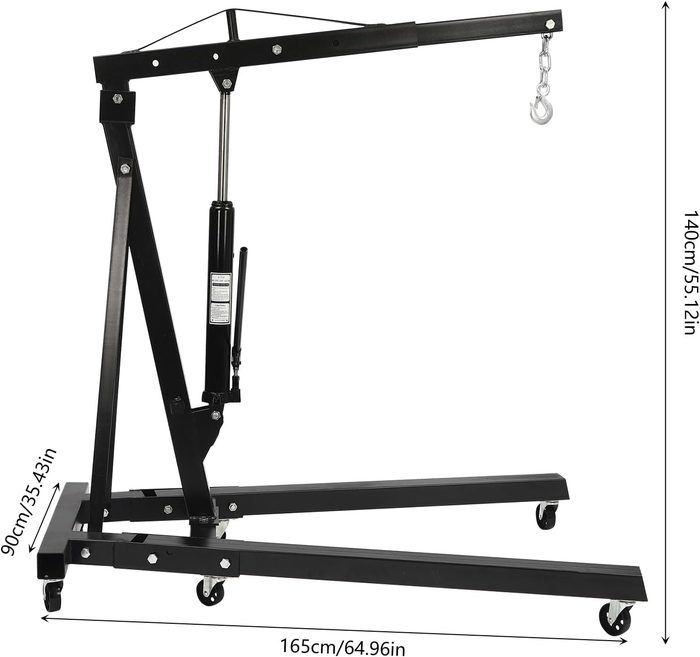
Folding Hydraulic Engine Hoist
Capacity: 2 tonHeight: 6.89 ftWeight Capacity: 4409 lbs
-
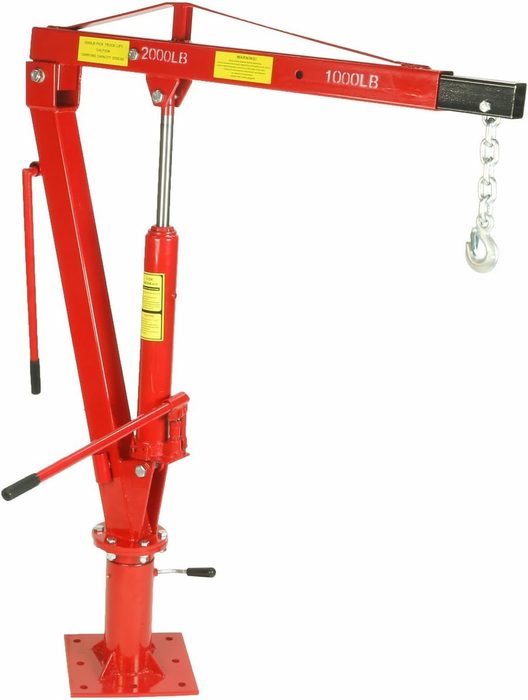
Folding Hydraulic Engine Hoist
Boom Range: Floor - 88 inCapacity: 2 ton
About material handling
Material handling equipment encompasses a broad range of devices designed for the movement, storage, control, and protection of products and materials throughout the manufacturing, distribution, consumption, and disposal processes. This category includes hoists, jacks, carts, lifting straps, and other load-bearing apparatus. Hoists, such as chain hoists or electric wire rope hoists, are used for vertical lifting and are characterized by their lifting capacity (e.g., 0.5-ton, 2-ton, 10-ton), lift height, and operating speed. Jacks, including hydraulic bottle jacks, floor jacks, and pallet jacks, are primarily for lifting and moving heavy loads horizontally or for temporary support; their selection criteria include lift capacity, lift range, and overall dimensions. Carts, such as utility carts, platform trucks, and hand trucks, facilitate horizontal transport and are defined by load capacity, deck size, and wheel type (e.g., pneumatic, solid rubber, polyurethane). Lifting straps and slings, made from materials like polyester, nylon, or wire rope, are essential for securing and lifting loads, with critical specifications being working load limit (WLL), length, and end fittings (e.g., eye-and-eye, endless, basket). Common finishes include powder coating for corrosion resistance, galvanized steel for outdoor use, and polished stainless steel for sanitary applications. Engineers select based on load characteristics, environmental conditions, and operational requirements.
How to choose
When selecting material handling equipment, first determine the maximum load weight and the required lift height or travel distance. This establishes the fundamental capacity and reach parameters. Second, consider the operational environment: indoor or outdoor, presence of corrosive agents, temperature extremes, and available power sources (manual, electric, pneumatic). Third, evaluate the frequency and speed of operation; continuous use may necessitate powered equipment over manual. Fourth, assess the type of load and required attachment points; this dictates the appropriate lifting accessories like hooks, slings, or specialized cradles. Finally, verify compliance with relevant safety standards such as ASME B30.16 for hoists or OSHA regulations for lifting devices.