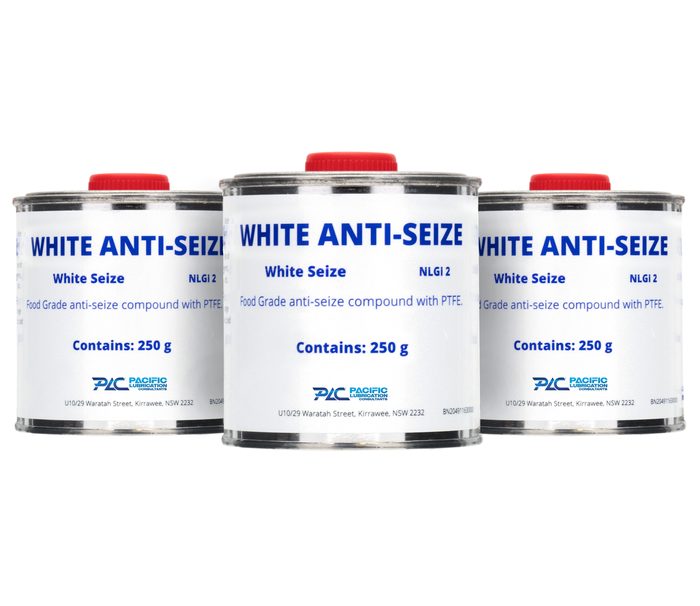
Lubricants & Greases
Bearing grease, way oil, dry film, anti-seize and penetrants.
Also searched as: bearing greaseanti seizeway oildry lubepenetrating oil
-
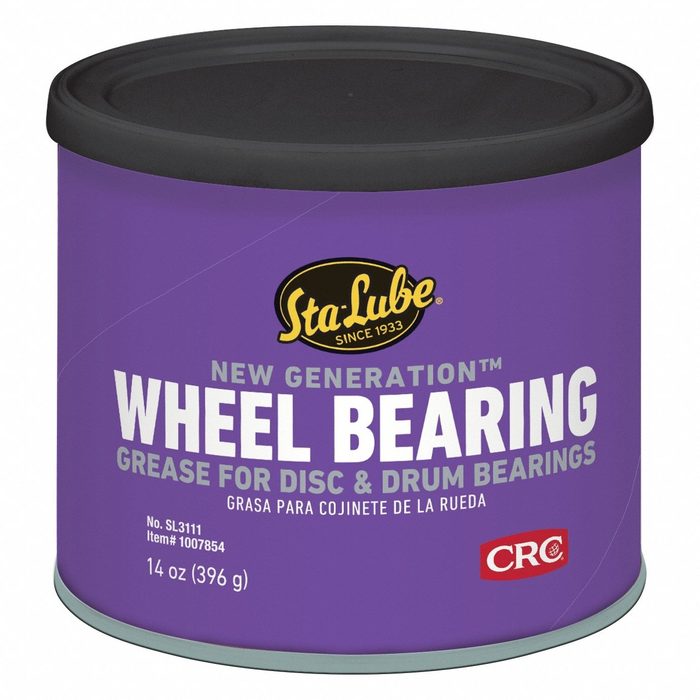
Wheel Bearing Grease
Container Size: 14 ozContainer Type: Can
-
-
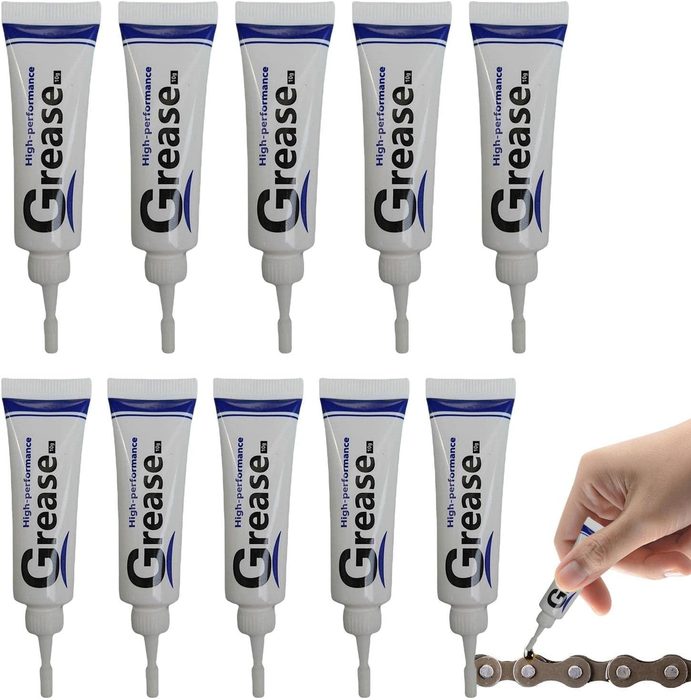
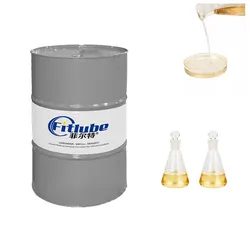
Wheel Bearing Grease Tube
Temperature Rating: High TempType: Lithium Complex
-
-
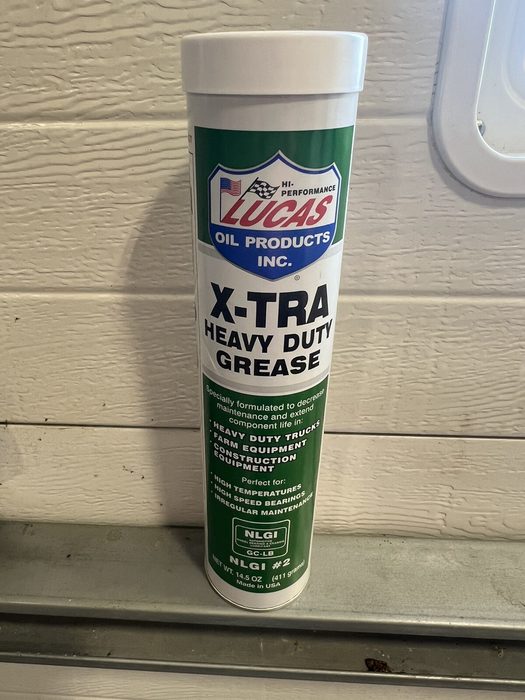
X-Tra Heavy Duty Grease
Container Size: 14.5 ozContainer Type: Tube
About lubricants & greases
Lubricants and greases are essential for reducing friction, wear, and corrosion in mechanical systems. This category encompasses a range of formulations designed for specific applications, including bearing greases, way oils, dry film lubricants, anti-seize compounds, and penetrants. Bearing greases are typically formulated with a base oil (mineral, synthetic, or semi-synthetic), a thickener (lithium, calcium, aluminum complex, polyurea), and performance additives. Key selection criteria include NLGI grade (000 to 6), operating temperature range, dropping point, and EP (extreme pressure) or anti-wear additives. Way oils are specifically designed for machine tool slideways, offering high film strength, tackiness, and excellent demulsibility. They often adhere to ISO VG (Viscosity Grade) standards, such as ISO VG 32, 68, or 220. Dry film lubricants, like molybdenum disulfide or PTFE, are applied as a coating to provide lubrication in extreme temperature or vacuum environments where wet lubricants are impractical. Anti-seize compounds prevent galling, seizing, and corrosion of threaded fasteners and mating surfaces, often containing copper, nickel, or aluminum flakes in a grease carrier. Penetrating oils are low-viscosity formulations designed to free seized or corroded parts by capillary action.
How to choose
When selecting lubricants or greases, first consider the application: bearing, slideway, threaded fastener, or general purpose. For bearings, determine the operating temperature range and load conditions to select an appropriate NLGI grade and base oil type (mineral for general, synthetic for extreme temps). Next, evaluate if EP additives are required for high-load or shock applications. For slideways, match the ISO VG to the machine manufacturer's specifications, prioritizing tackiness and demulsibility. For threaded fasteners, choose an anti-seize compound based on the material compatibility and temperature exposure (copper, nickel, or aluminum). Finally, assess the environmental conditions, such as water exposure or vacuum, to determine if a dry film lubricant or specialized formulation is necessary.