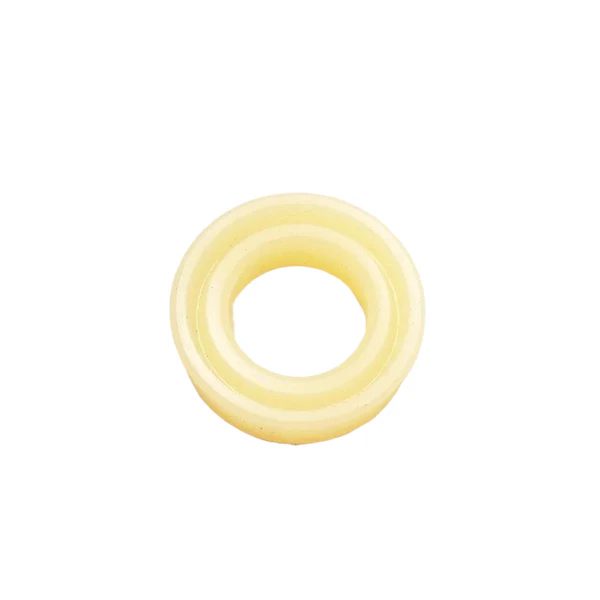
Hydraulic & Pneumatic Seals
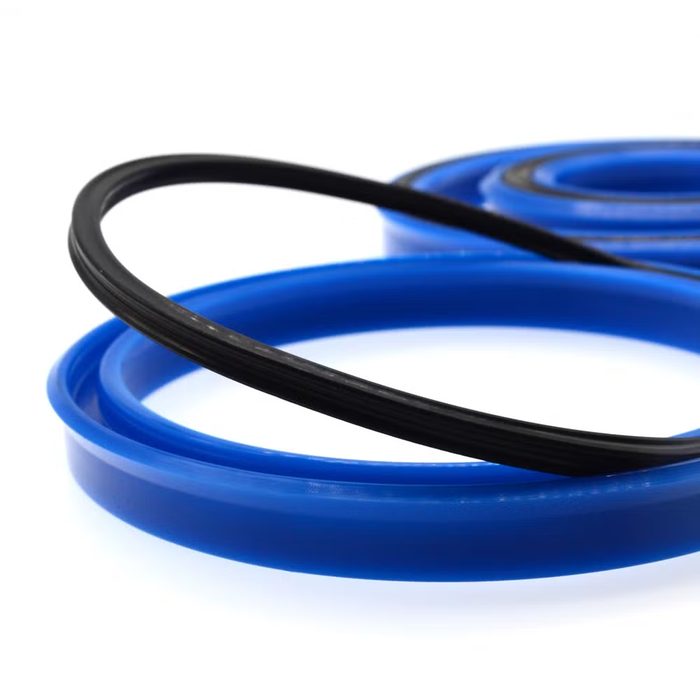
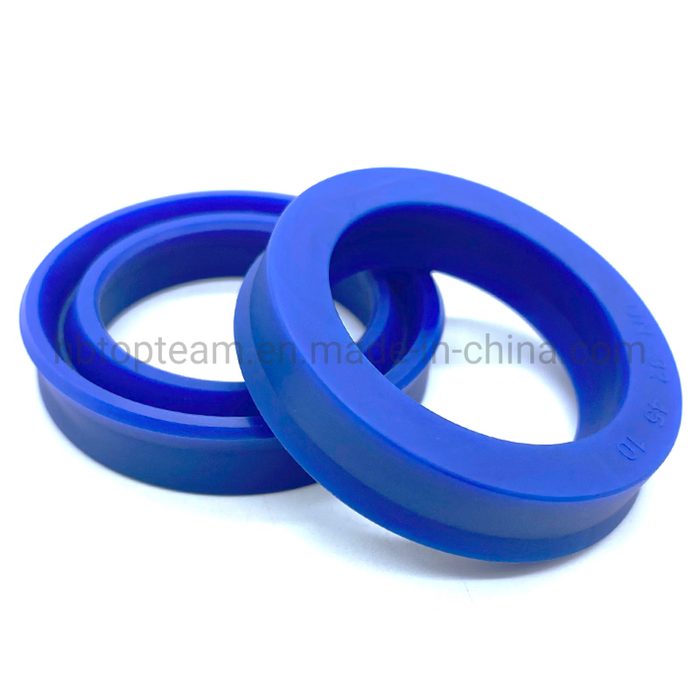
Rod, piston, wiper, backup rings and U-cups.
Also searched as: u cuprod sealpiston sealwiper sealbackup ring
-
-
-
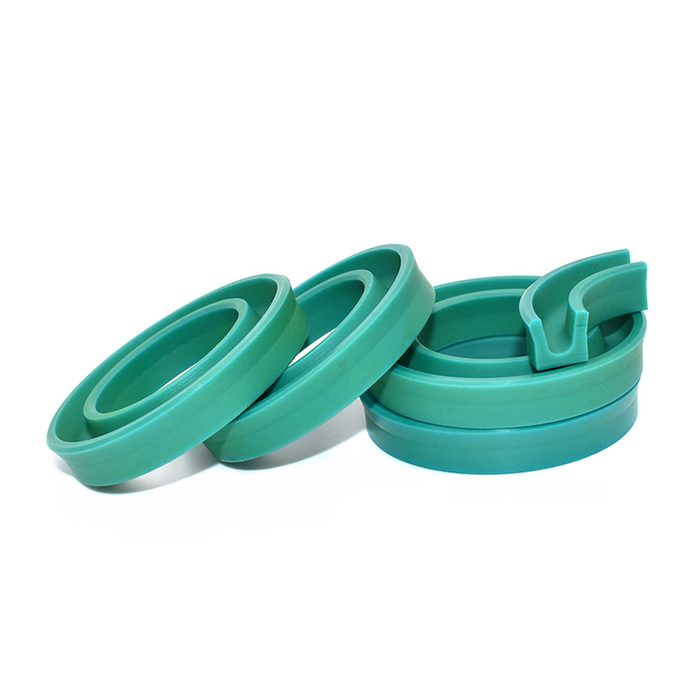
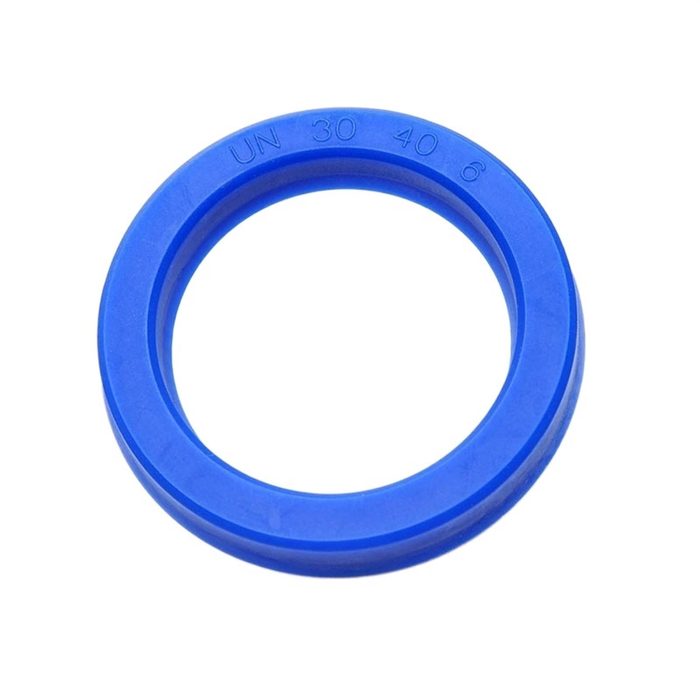
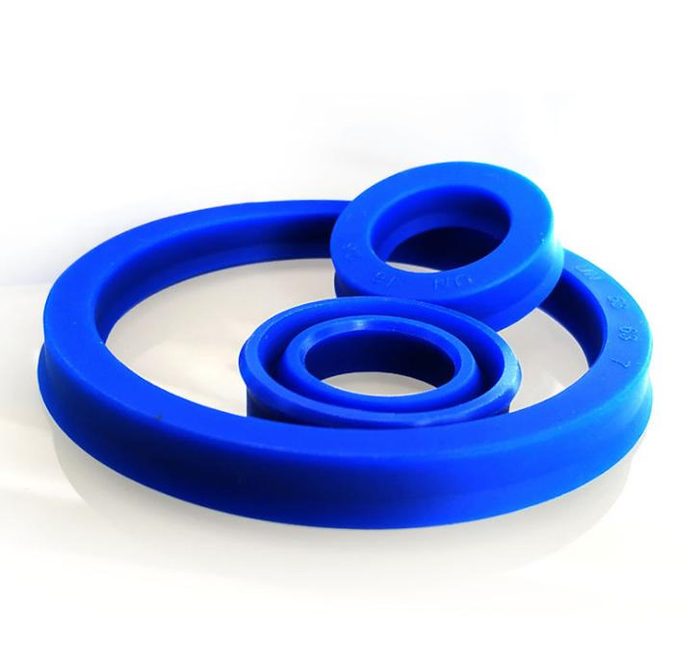
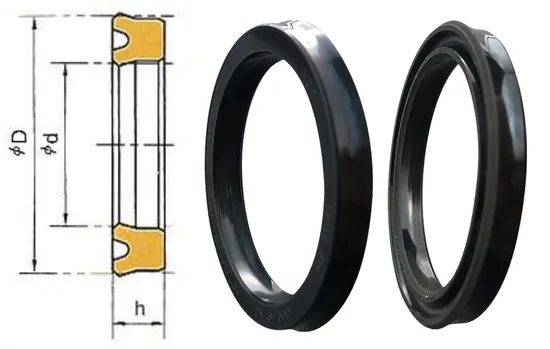
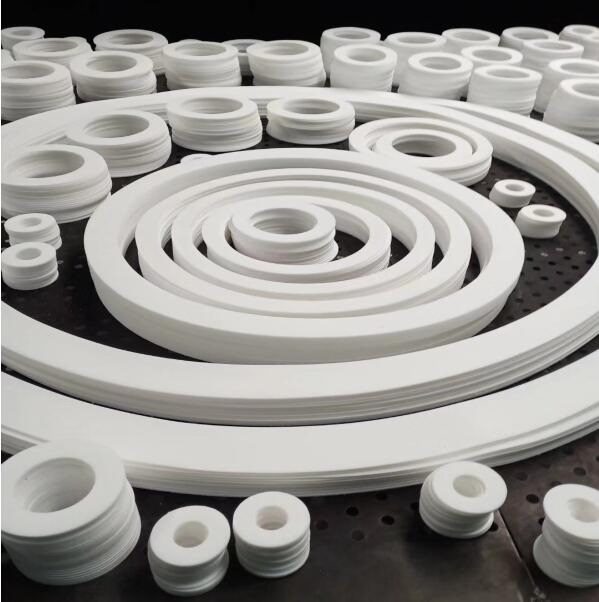
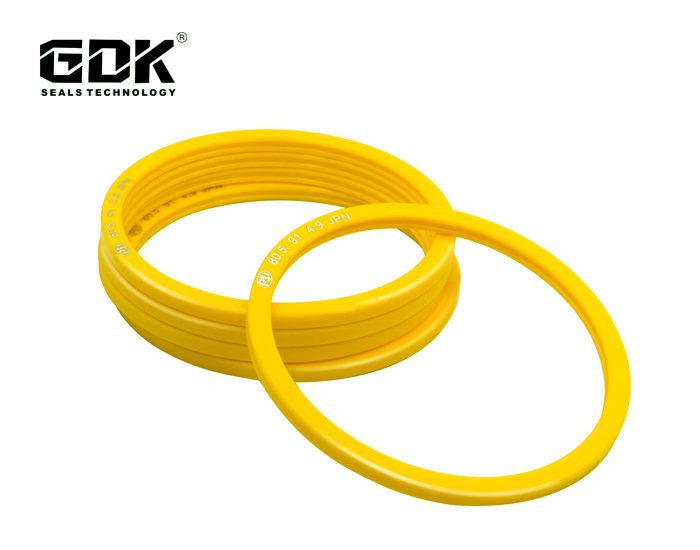
U-Cup Hydraulic Seal for Heavy-Duty Piston Rods
Series: Ba/BS/Bu/Bd/B7/B3/M2/M3/Od/B7/C2
from $0.20Made-in-China $0.20 -
-
-
-
-
About hydraulic & pneumatic seals
Hydraulic and pneumatic seals are critical components for preventing fluid or gas leakage in dynamic and static applications. This category encompasses a range of seal types, including rod seals, piston seals, wiper seals, backup rings, and U-cups. Rod seals and piston seals are designed to contain pressure and prevent leakage past the rod or piston, respectively, often featuring single-acting or double-acting configurations. Wiper seals, also known as scrapers, prevent contaminants from entering the system. Backup rings are employed to prevent extrusion of primary seals under high pressure. U-cups, a common seal profile, are versatile and can function as both rod and piston seals. Selection is primarily driven by operating parameters such as system pressure (e.g., PSI, bar), temperature range (e.g., °C, °F), dynamic or static application, and fluid compatibility. Key dimensions include bore diameter, rod diameter, and groove dimensions (width, depth). Common materials include NBR (nitrile butadiene rubber), FKM (fluoroelastomer), PTFE (polytetrafluoroethylene), polyurethane, and EPDM, each offering specific resistance to chemicals, temperature, and abrasion. Surface finishes of mating components are also crucial for optimal seal performance and longevity.
How to choose
How to Choose Hydraulic & Pneumatic Seals
1. Application Type (Dynamic vs. Static) & Component: Is it a rod, piston, or a static closure? This immediately narrows seal profiles. For dynamic applications, consider whether it's single or double-acting. 2. Operating Conditions: What are the maximum system pressure (PSI/bar) and temperature range (°C/°F)? These dictate material and design, especially for backup ring necessity to prevent extrusion. 3. Fluid Compatibility: What fluid or gas will the seal be exposed to? This is critical for selecting the appropriate material (e.g., NBR for petroleum-based fluids, FKM for high temperatures/aggressive chemicals, EPDM for brake fluid). 4. Dimensions: What are the bore and rod diameters, and available groove dimensions? These define the precise seal size required. 5. Contamination Risk: Is a wiper seal necessary to prevent ingress of external contaminants into the system?