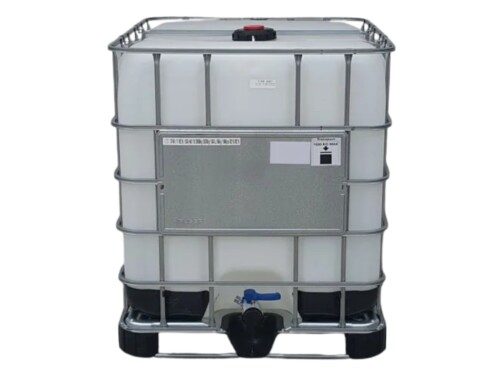
Tanks & Fluid Storage
Drums, IBC totes, jerry cans, funnels and dispensing.
Also searched as: ibc totedrumjerry canfluid dispenserstorage tank
-
-
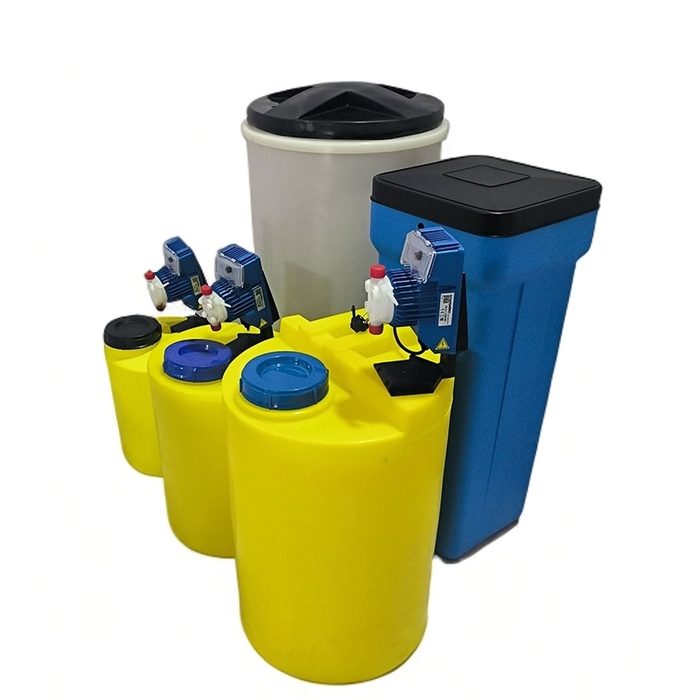
High Viscosity Fluid Dispenser Pump
Pressure: 20 bar
-
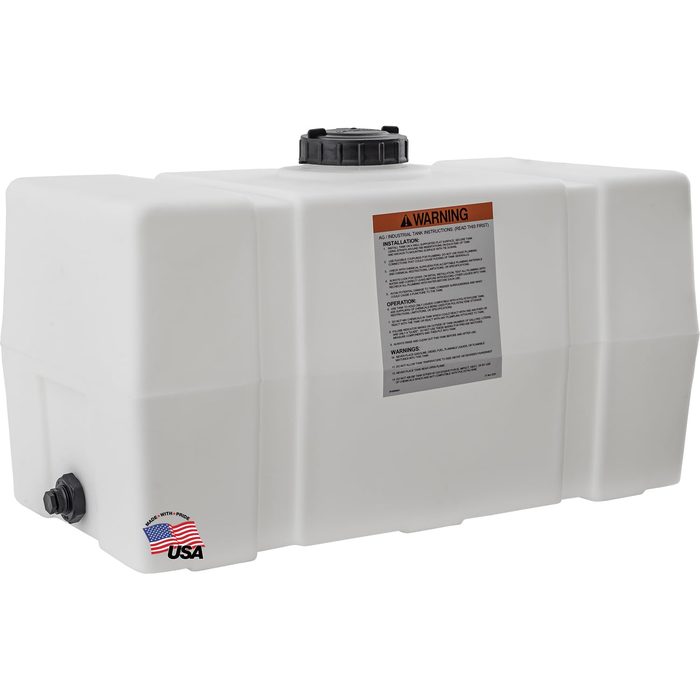
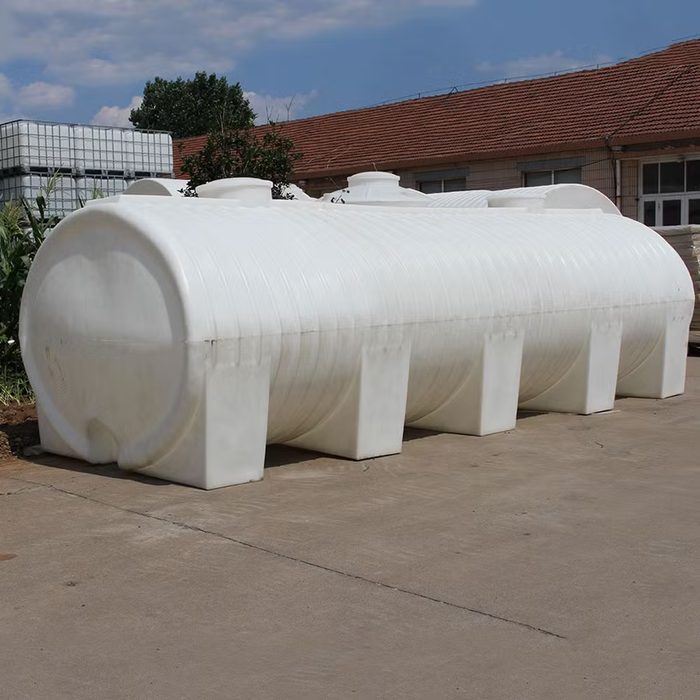
Horizontal Square Reservoir Water Tank
Max Liquid Temperature: 140°F
-
-
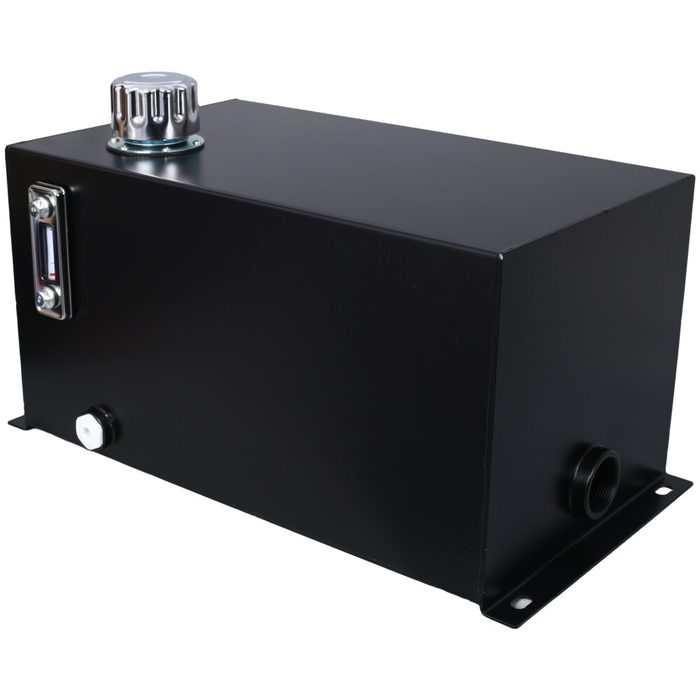
Hydraulic Fluid Tank
Capacity: 10 Gal
from $125.79eBay $125.79 -
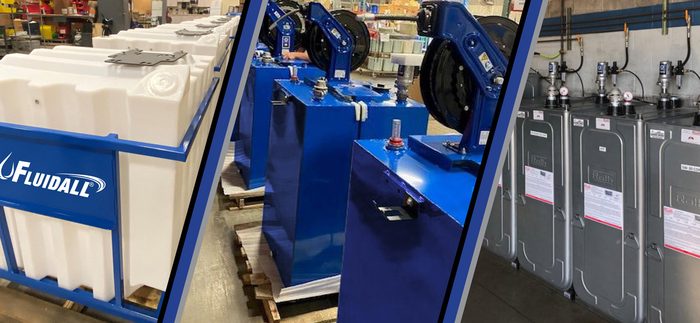
IBC Spill Containment Unit with Steel Platform
Dimensions: 67" x 67" x 26"Load Capacity: 10000 lbsSpill Capacity: 400 Gallon
-
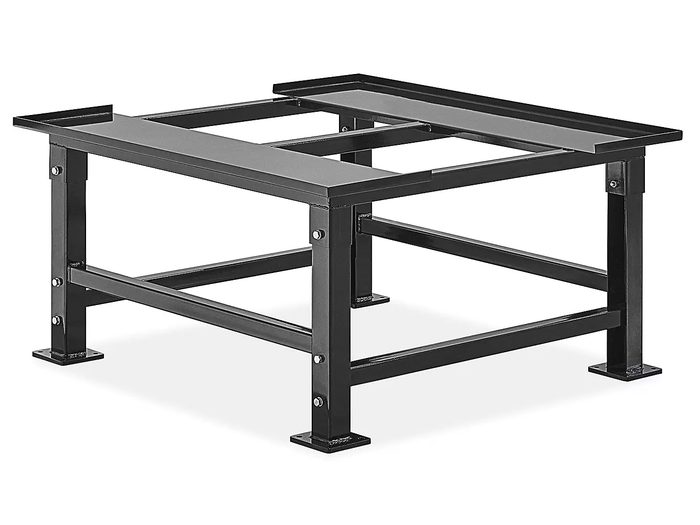
IBC Stand
Elevation: 2 feet
-
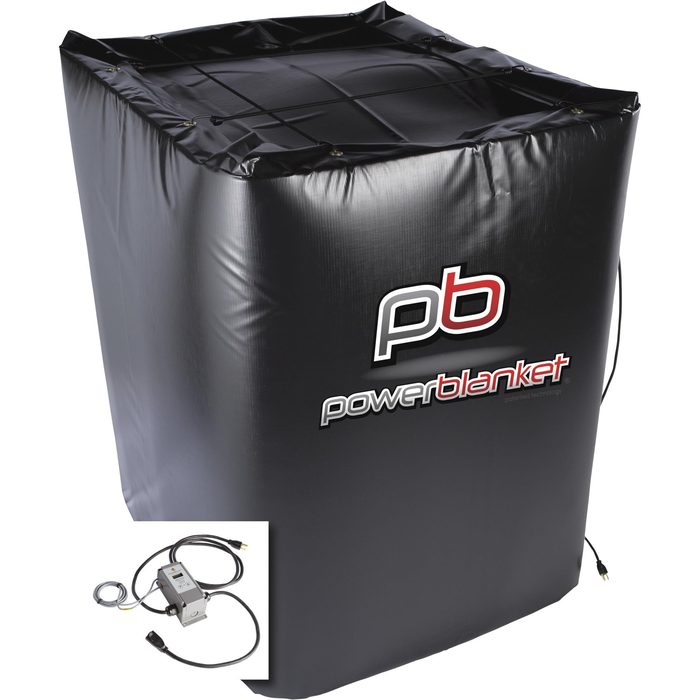
IBC Tank and Tote Insulated Heating Blanket
Capacity: 330 GallonVoltage: 120V
-
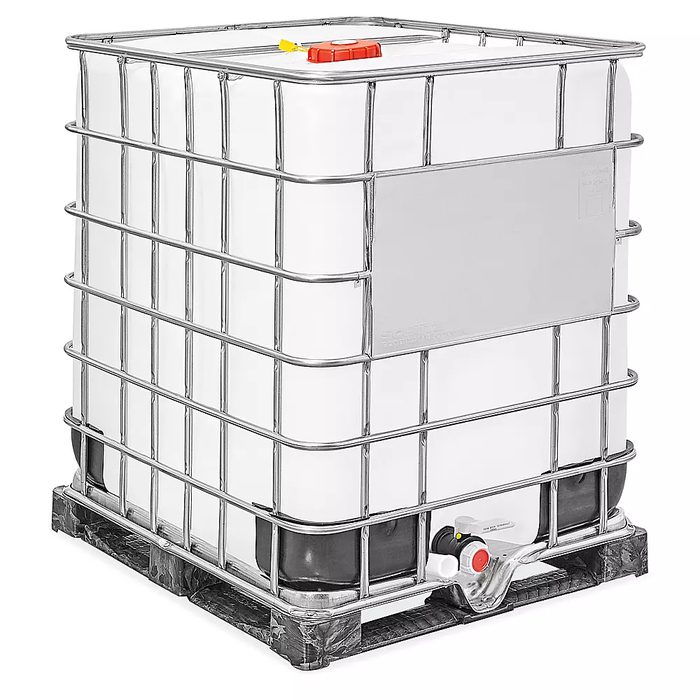
IBC Tank with Plastic Pallet
Capacity: 330 Gallon
-
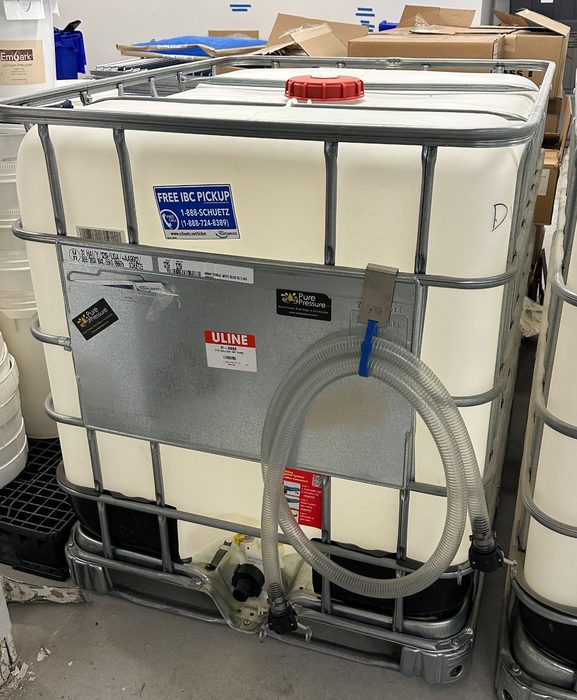
IBC Tank with Steel Pallet
Capacity: 275 Gallon
-
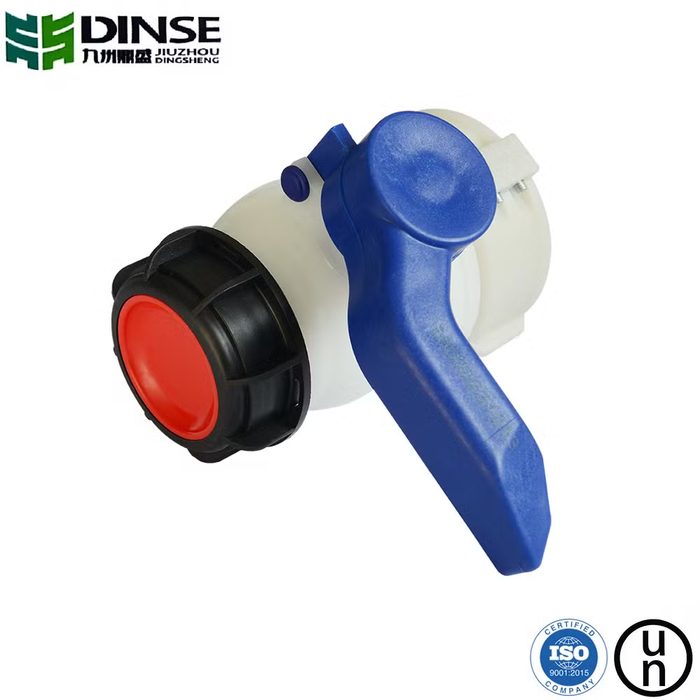
IBC Tote Fittings and IBC Valve DN50
Valve Size: DN50
-
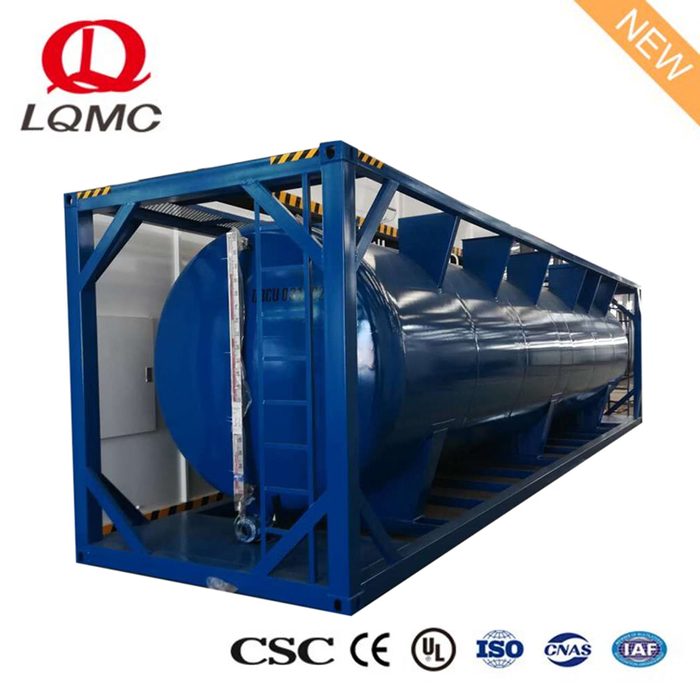
ISO Tank Container 20FT Water Storage Container
Capacity: 14300 to 31000 litersHeight: 8 feet 6 inchesLength: 20 feetWidth: 8 feet
from $15,000.00Made-in-China $15,000.00 -
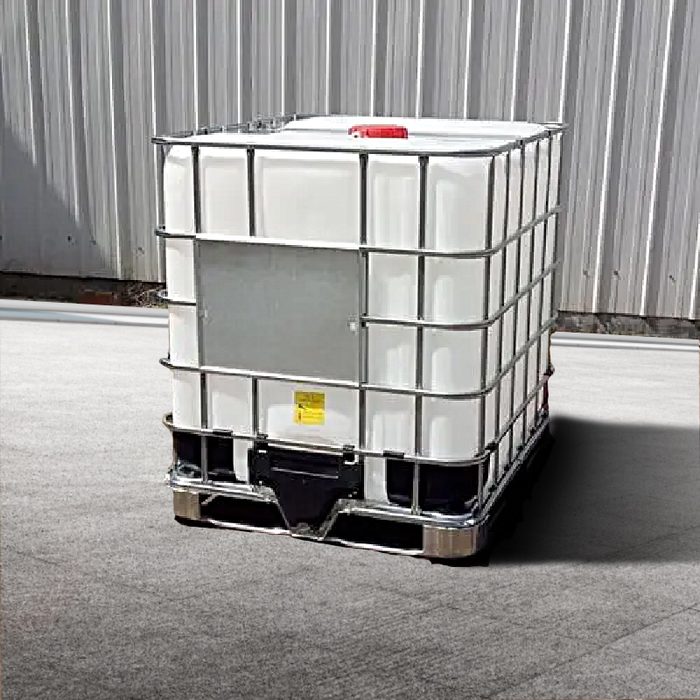
Industrial Grade Diesel Exhaust Fluid IBC Tote
Capacity: 275 Gallon
-
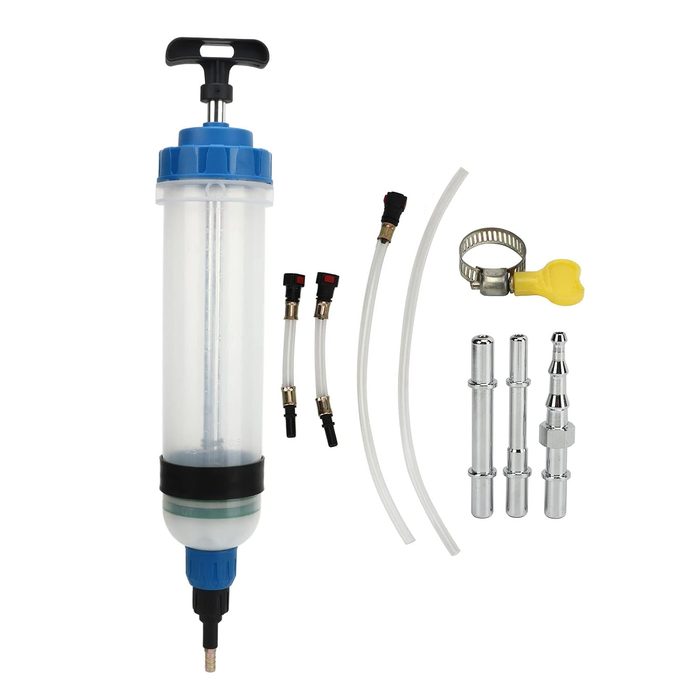
Industrial Grade Fluid Extractor Syringe - Oil Pump Dispenser
Capacity: 300ML
-
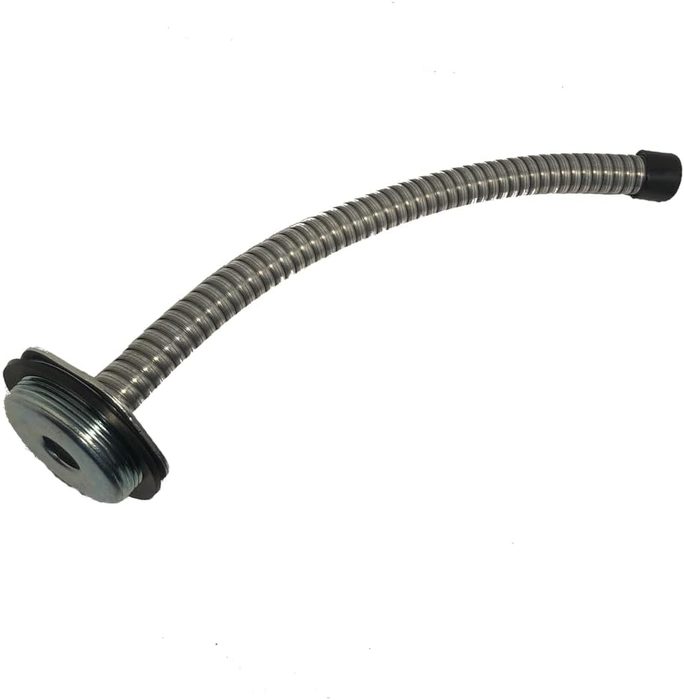
JERRY CAN SPOUT for 5 Gallon Military and Blitz Gas Cans
Capacity: 5 Gallon
from $24.58Amazon $24.58 -
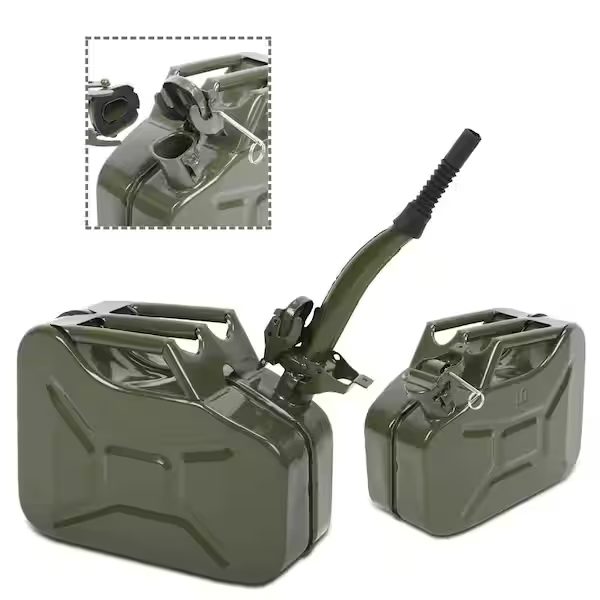
Jerry Can
Capacity: 20 lStandard: EU StyleThickness: 0.6 mm
-
Jerry Can
Capacity: 5 galThickness: 0.6 mm
-
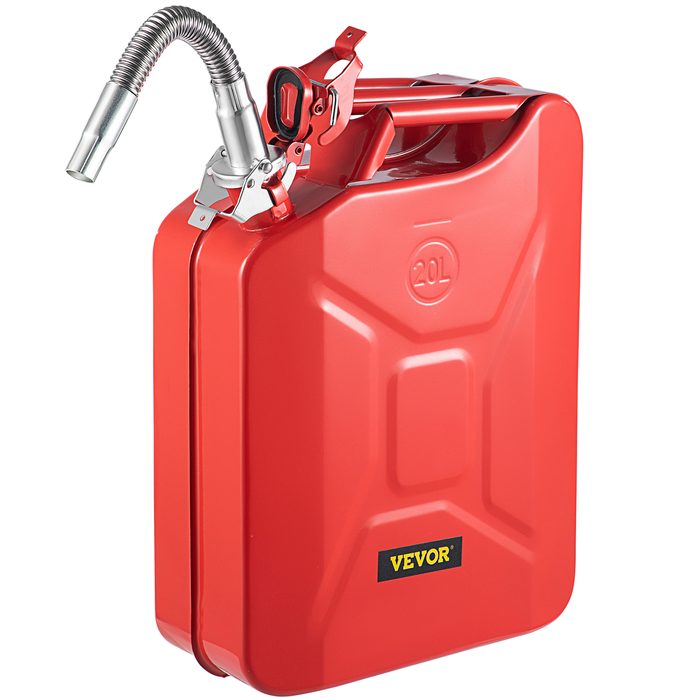
Jerry Can Fuel Tank
Capacity: 20 L
-
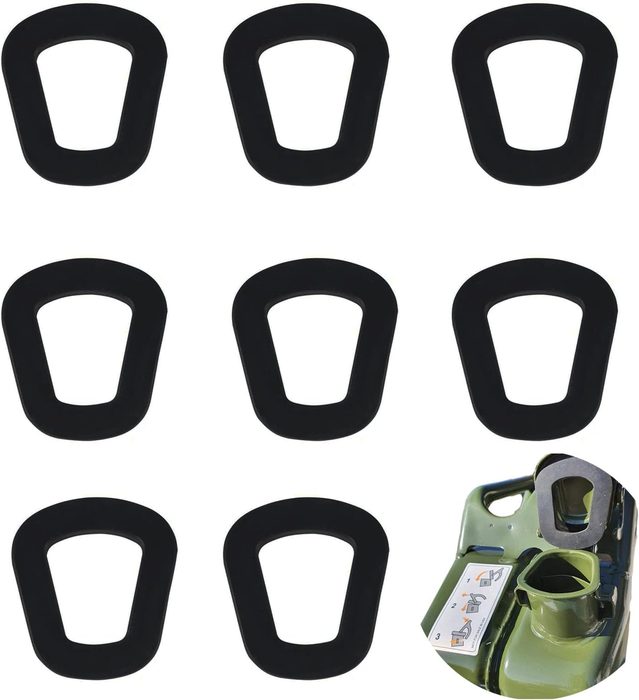
Jerry Can Gaskets
Compatibility: 5/10/20 L Automobile Oil Drum
-
Jerry Can Gaskets 5 Pack
Quantity: 5
-
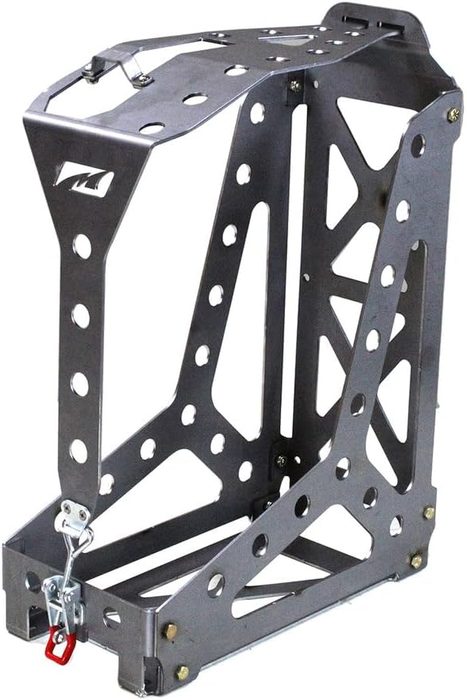 from $188.35Amazon $188.35
 -
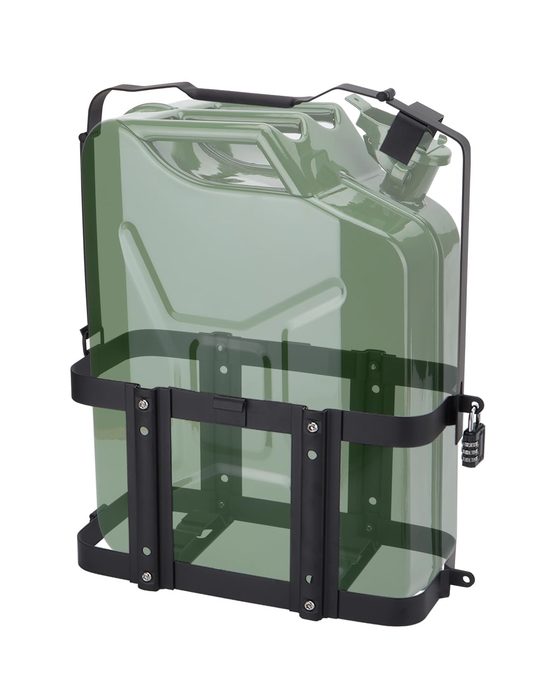
Jerry Can Mount with Combination Lock
Capacity: 5 Gallon / 20 Liter
-
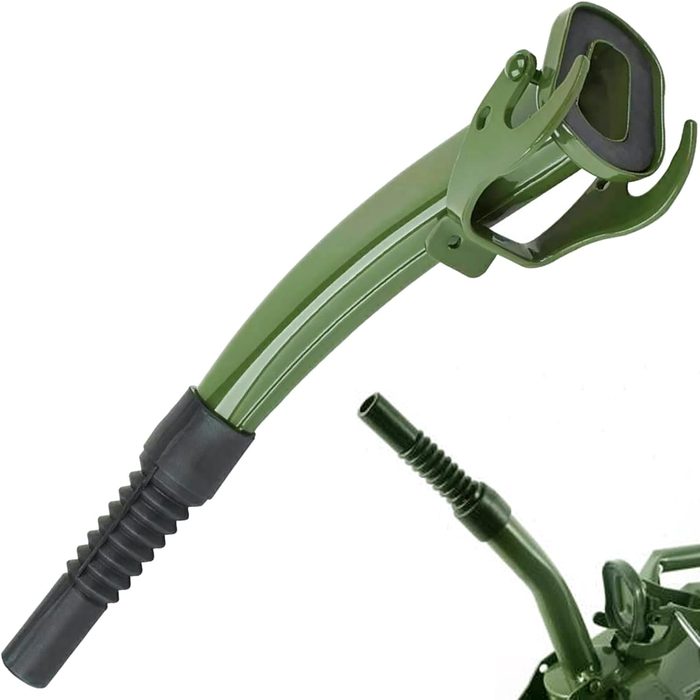
Jerry Can Pouring Spout
Compatibility: 5/10/20L Jerry Cans
-
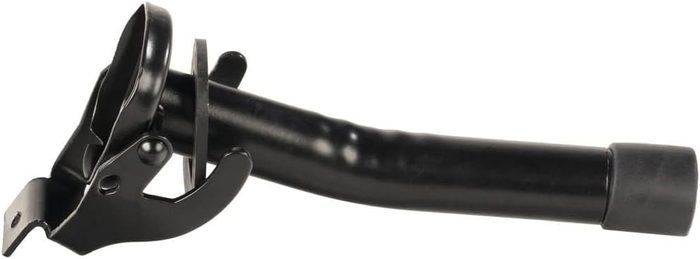 from $19.96Amazon $19.96
 -
Jerry Gas Can Holder
Capacity: 5 Gallon
-
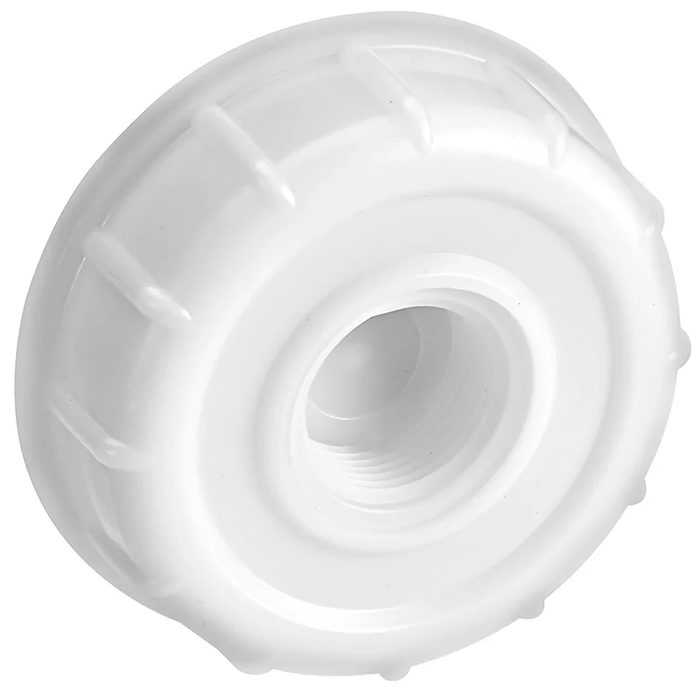
Large Cap for Jerrican
Compatible Jerrican Capacity: 5 and 7 GallonDiameter: 70 mm
-
-
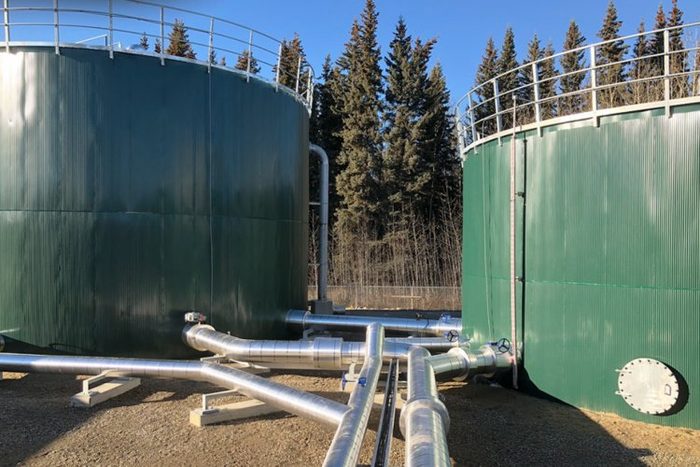
Large Volume Vertical Water Crude Oil Fluid Storage Tank
Capacity: 10000-200000 m3
from $50,000.00Made-in-China $50,000.00 -
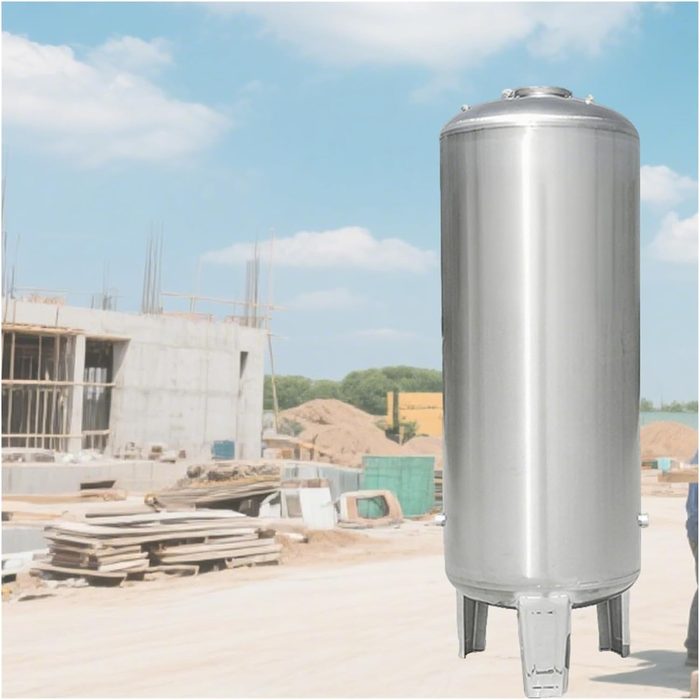
Large-Capacity Stainless Steel Water Storage Tank
Capacity: 15 GallonSize: 95x40cmType: Vertical Pressure Tank
-
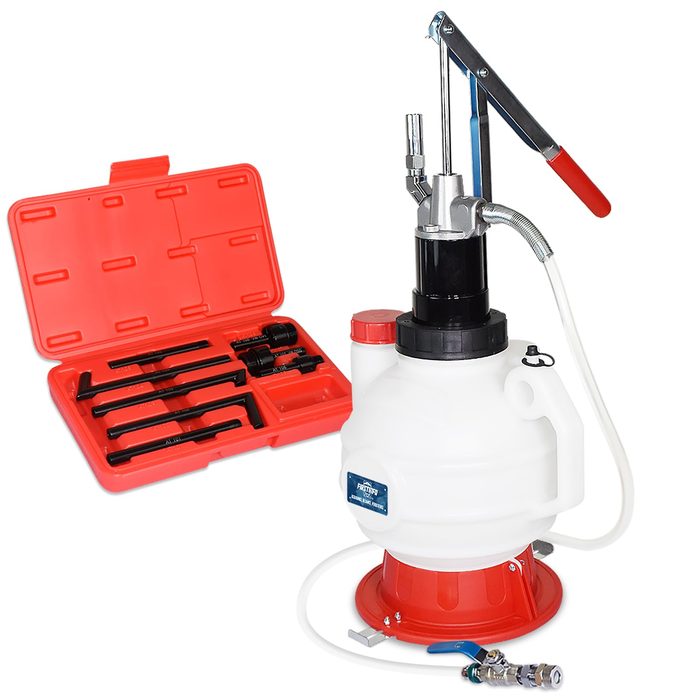
-
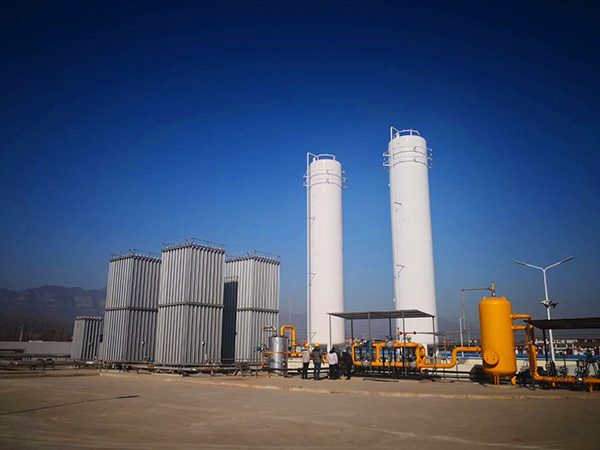
Liquefied Natural Gas Tank/LNG Storage Tank
Full Volume: 10,000L~50,000LWork Pressure: 0.80MPa/1.60MPa/2.30MPa/3.45MPa
from $34,000.00Made-in-China $34,000.00 -
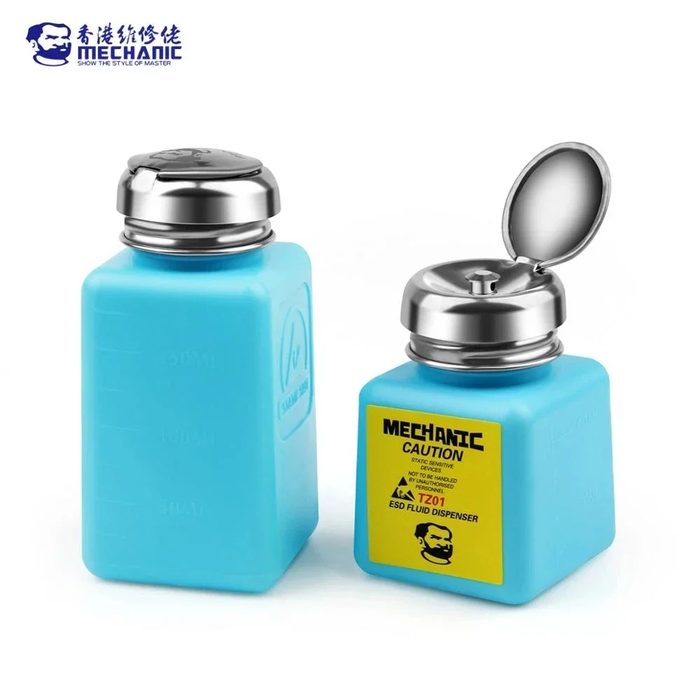
Liquid Alcohol Bottle Press Pump Dispenser
Capacity: 120/180ml
-
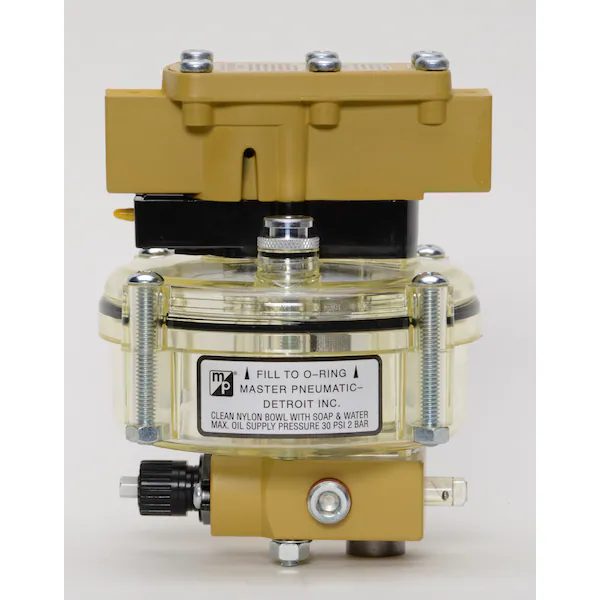
Liquid Dispenser
Max. Pressure: 120 psi
-
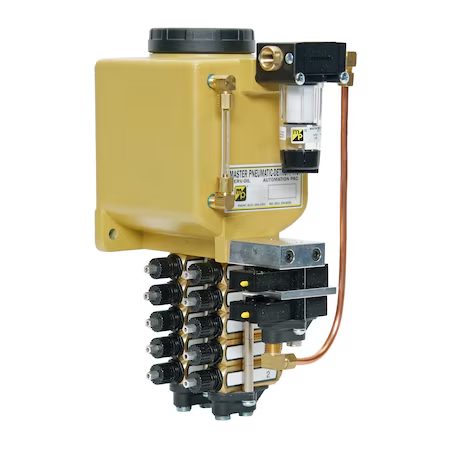
Liquid Dispenser, 2DRP, VIT
Max. Pressure: 120 psi
-
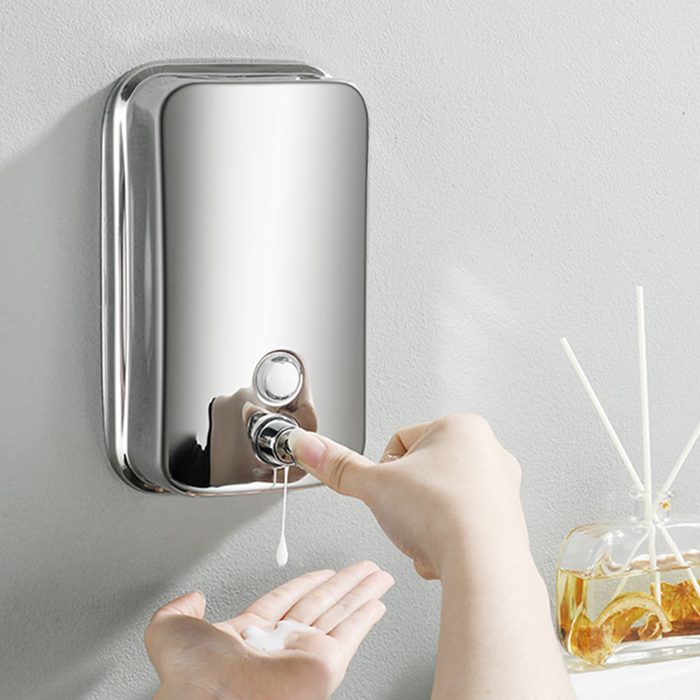
Liquid Soap Manual Wall-Mount Dispenser
Capacity: 34 oz
-
Liquid Soap Manual Wall-Mount Dispenser
Capacity: 46 oz
About tanks & fluid storage
Tanks and fluid storage solutions encompass a range of containers designed for the containment, transport, and dispensing of liquids. This category includes industrial drums (typically 55-gallon capacity, available in open-head or tight-head configurations), Intermediate Bulk Containers (IBC totes, commonly 275 or 330 gallons, often UN-rated for hazardous materials), jerry cans (smaller, portable fuel or water containers), and various funnels and dispensing equipment. Key selection criteria involve volume capacity, material compatibility with the fluid being stored (e.g., HDPE for corrosives, stainless steel for food-grade applications, carbon steel for petroleum products), and regulatory compliance (e.g., UN 31HA1/Y for IBCs, DOT specifications for drums). Dimensions such as height, diameter, and footprint are critical for integration into existing infrastructure or for transport. Features like bung types (e.g., 2" NPT, 3/4" NPT), venting mechanisms, and discharge valve types (e.g., ball valve, butterfly valve) are important for operational efficiency and safety. Surface finishes, such as painted, galvanized, or electropolished, are specified based on environmental exposure and cleanliness requirements.
How to choose
When selecting tanks and fluid storage, first determine the fluid type and required volume. This dictates material compatibility (e.g., HDPE, stainless, carbon steel) and the primary container type (drum, IBC, jerry can). Next, assess regulatory requirements; UN ratings are critical for hazardous materials, influencing container construction and labeling. Third, consider the operational context: will it be stationary storage, transport, or require frequent dispensing? This impacts features like portability, discharge valve type, and venting. Finally, evaluate space constraints and handling methods (e.g., forklift access for IBCs, drum dollies) to ensure the chosen solution integrates seamlessly into the workflow.