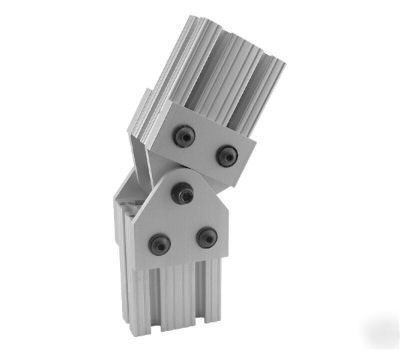
T-Slot & Extrusion
20mm, 40mm and imperial aluminum extrusion plus connectors.
Also searched as: 2020 extrusion8020t slotaluminum extrusion4040 profile
-
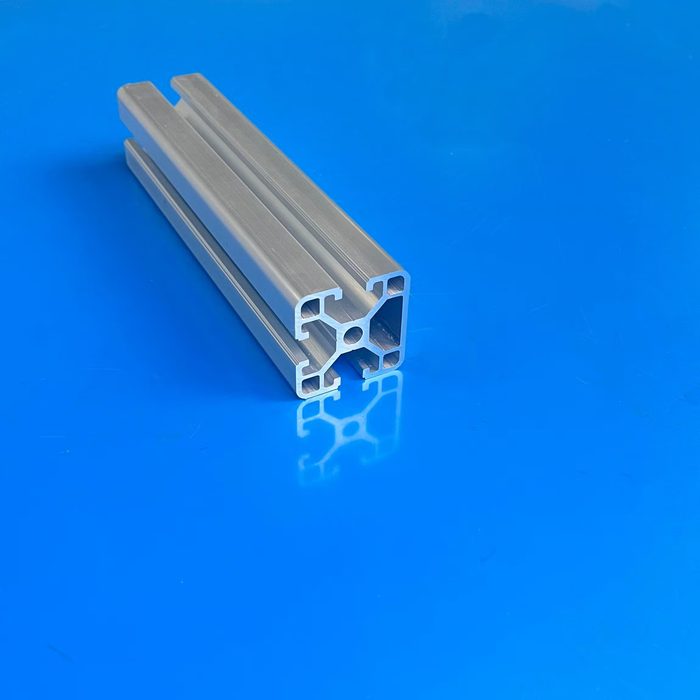
T-Slotted 4040 Aluminum Profile Extrusion
Series: 4040
from $6.80Made-in-China $6.80 -
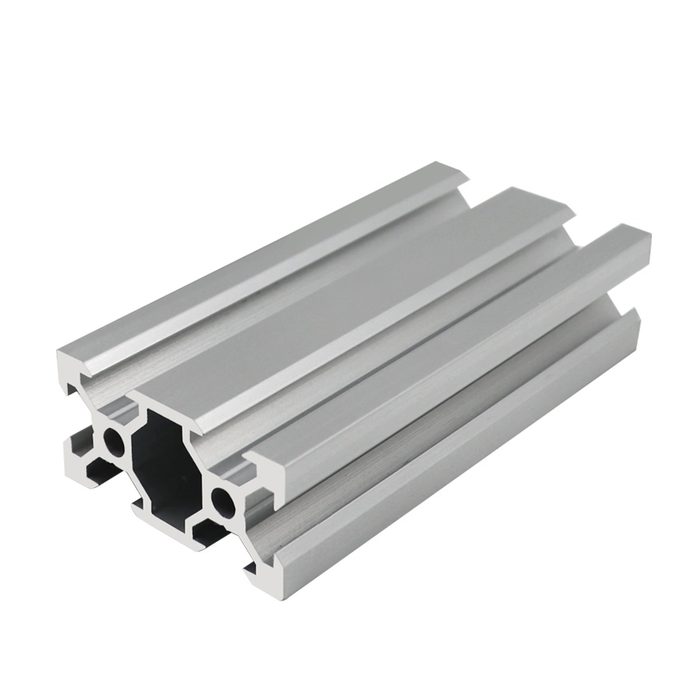
V Slot Rail Aluminum Profile Extrusion 20X40 T-Slot
Dimensions: 20x40Type: T-Slot, V Slot
About t-slot & extrusion
T-slot and extrusion components form versatile structural systems widely used in automation, machine building, and prototyping. The primary function of aluminum extrusion profiles is to create rigid frameworks, enclosures, and linear motion guides. Common profiles include 20mm series (e.g., 2020, 2040), 40mm series (e.g., 4040, 4080), and imperial equivalents like 15 Series and 80/20 profiles. Profiles are typically manufactured from 6063-T5 or 6061-T6 aluminum alloy, offering a balance of strength, machinability, and corrosion resistance. Standard finishes include clear anodized for durability and aesthetics, or mill finish for cost-effectiveness and ease of further processing.
Connectors are critical for assembling these systems, ranging from internal and external brackets to specialized pivot joints and linear bearings. Selection criteria for connectors often involve load-bearing requirements, ease of assembly, and aesthetic considerations. Fasteners, such as T-nuts, hammer nuts, and various bolts (e.g., M5, M6, 1/4-20), secure connections. The T-slot dimensions dictate compatible fastener and accessory types, ensuring a secure and modular assembly. Accessories like end caps, panel mounts, and leveling feet further enhance the functionality and finish of extrusion-based structures.
How to choose
When selecting T-slot and extrusion, engineers typically follow a sequential decision process. First, determine the required structural rigidity and load-bearing capacity; this dictates the profile series (e.g., 20mm, 40mm, 15 Series) and cross-sectional dimensions. Larger profiles offer greater stiffness but also increased weight and cost. Second, consider the application environment and desired aesthetics to choose between clear anodized or mill finish. Third, identify the necessary connection methods: internal connectors for a clean appearance, or external brackets for higher load capacity and easier adjustability. Fourth, specify compatible fasteners (e.g., T-nuts, hammer nuts) and their thread forms (e.g., M5, M6, 1/4-20) based on the chosen profile's slot dimensions. Finally, evaluate any specialized accessories needed, such as panel mounts, leveling feet, or specific linear motion components.