Cutting Tools
End mills, drill bits, taps, dies, reamers and inserts.
Also searched as: end millsdrill bitstaps and diescarbide insertsreamers
-
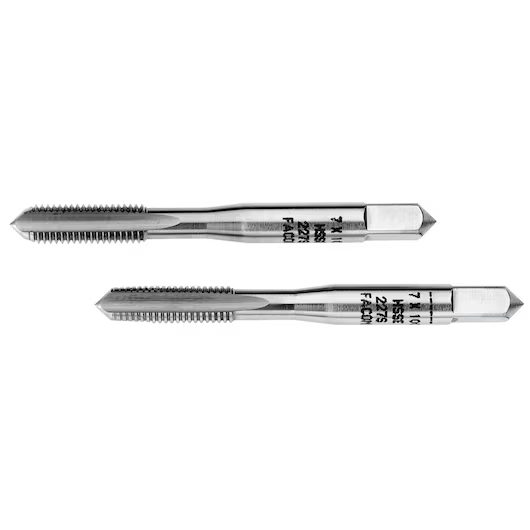
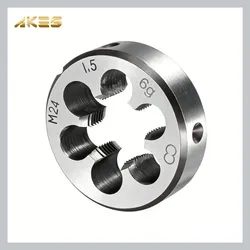
Metric Taps and Dies Set
Pieces: 32
-
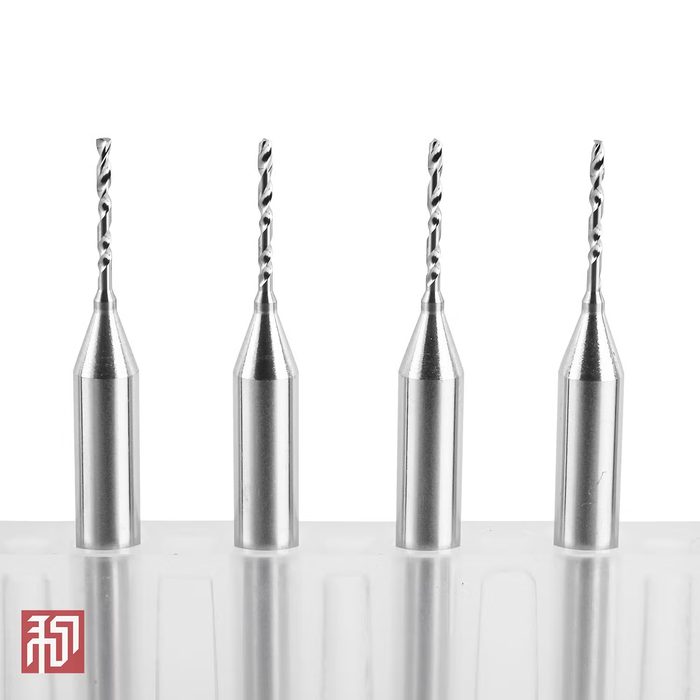
PCB Drill Bits, Double Edge Double Slot Series
Handle Diameter: 3.2 mm
from $0.10Made-in-China $0.10 -
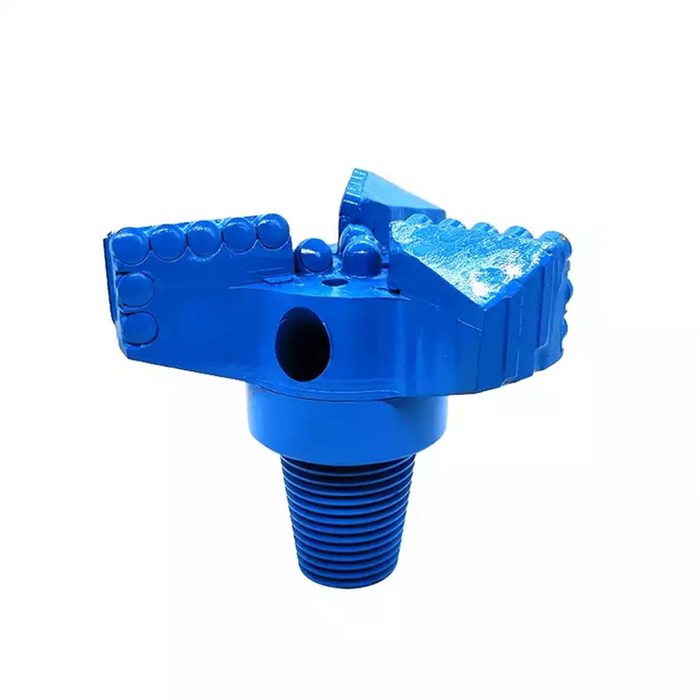 from $47.00Made-in-China $47.00
 -
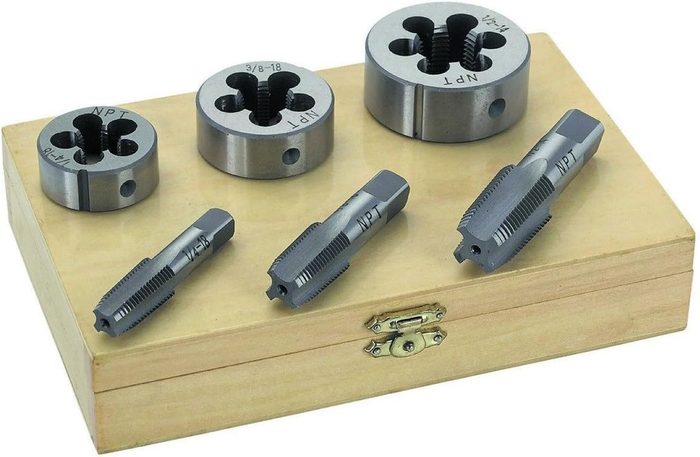
Pipe Tap And Die
Type: Pipe
-
-
-
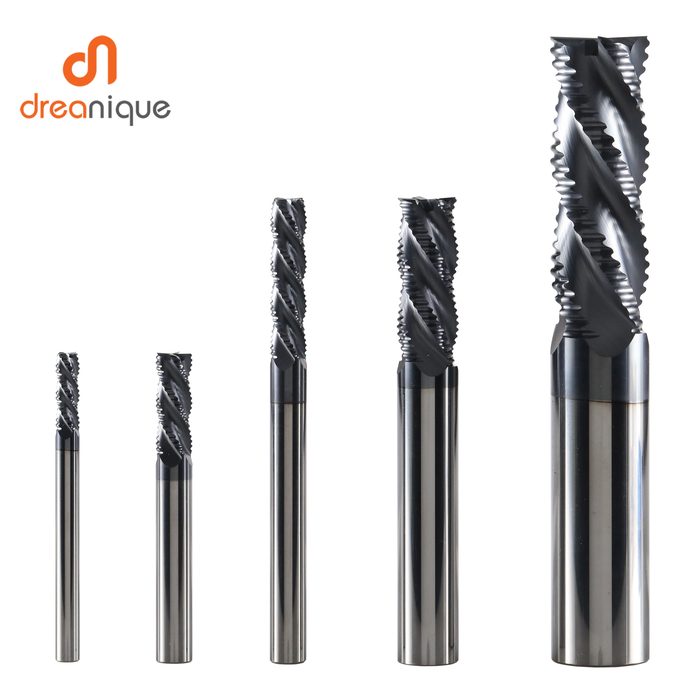
Rough End Mills with Long Series
Series: Long
-
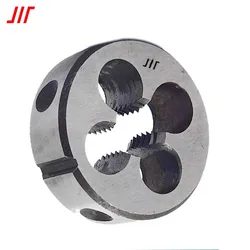
Round Hand Taps And Dies
Type: Round Hand
-
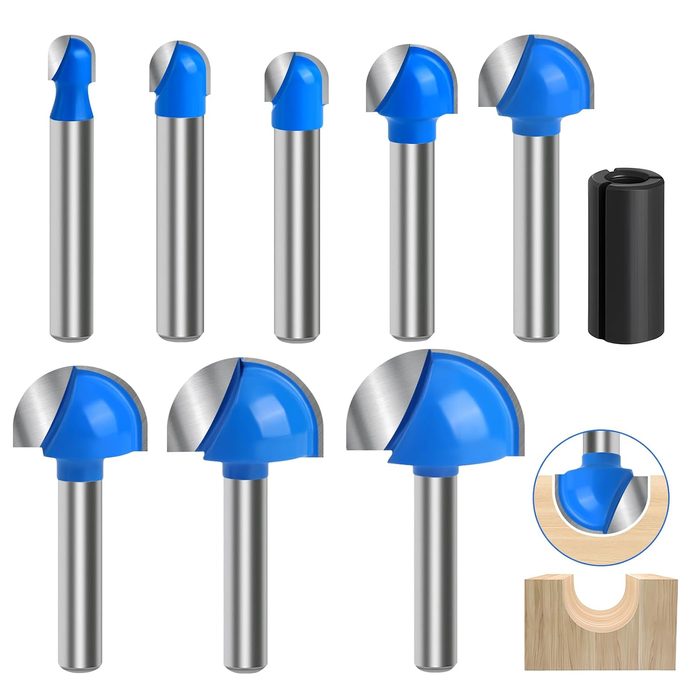
Router Core Bits
Abrasive: SuperabrasiveModel NO.: 105mm- 230mm
-
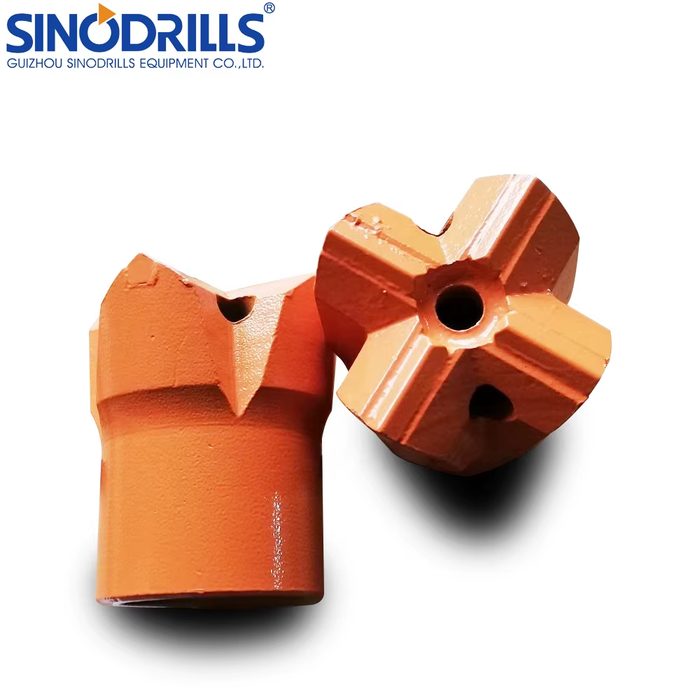
Self-Drilling Anchor Drill Bit
Length: Taper-lengthType: Center Drill BitUsage: Mining
-
-
-
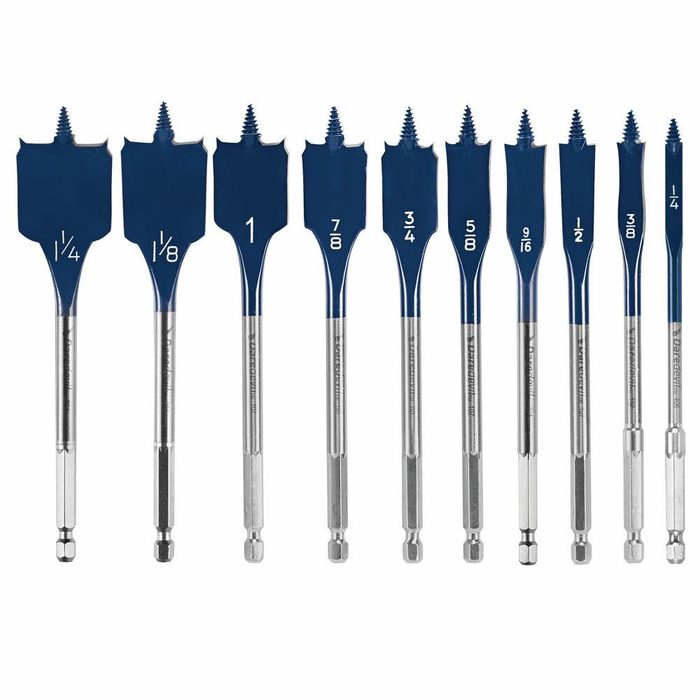
Spade Tip Drill Bit
Tip Type: Spade
-
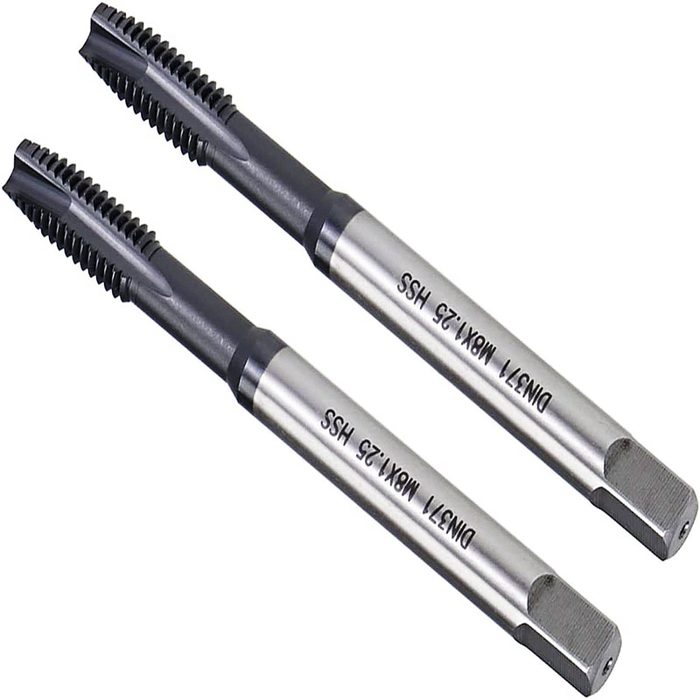
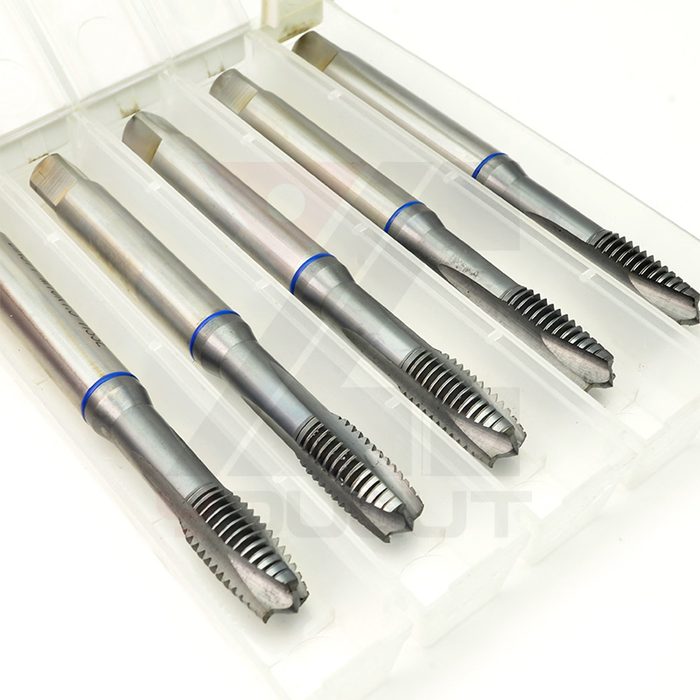
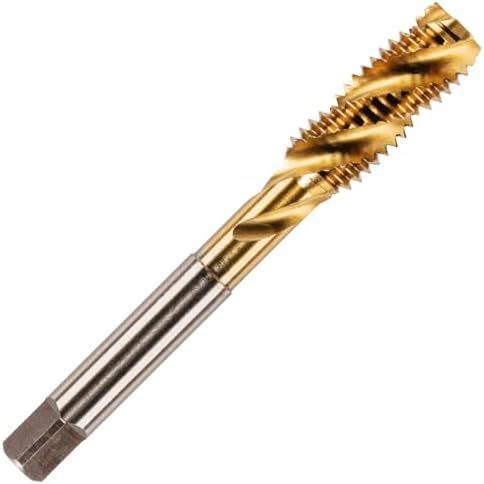
Spiral Pointed HSS Thread Taps
Flute Type: Spiral Pointed
-
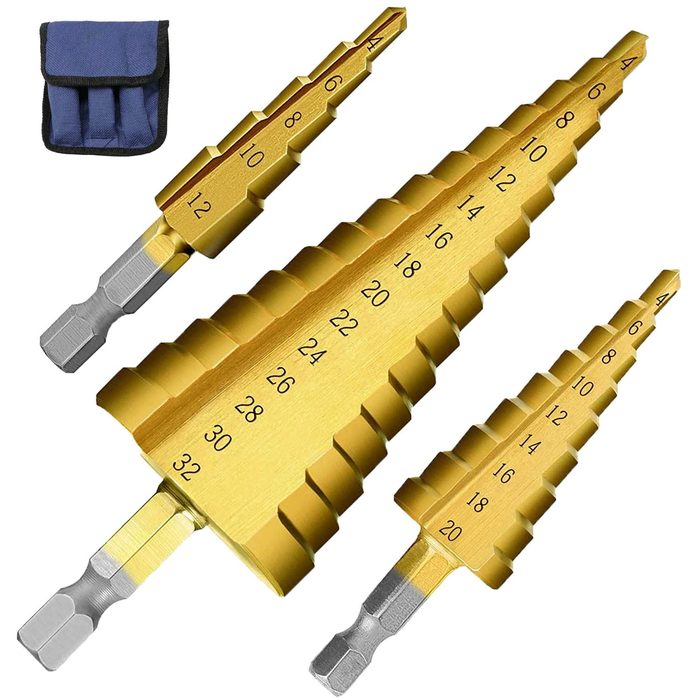
Step Drill Bit
Length: 86-112 mm
from $0.64Made-in-China $0.64 -
-
-
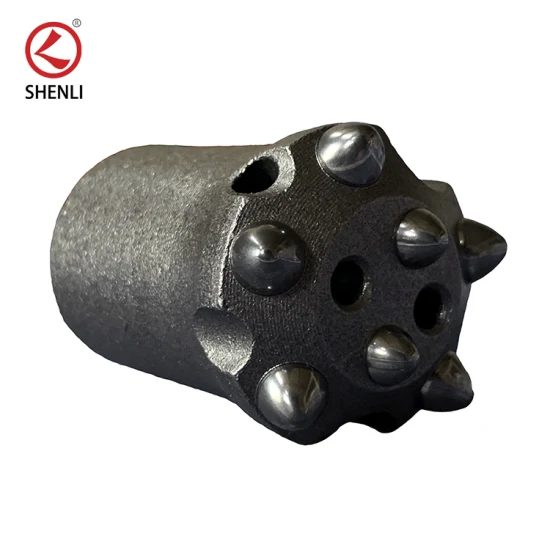
Tapered Button Bits, 34mm
Diameter: 34 mm
-
-
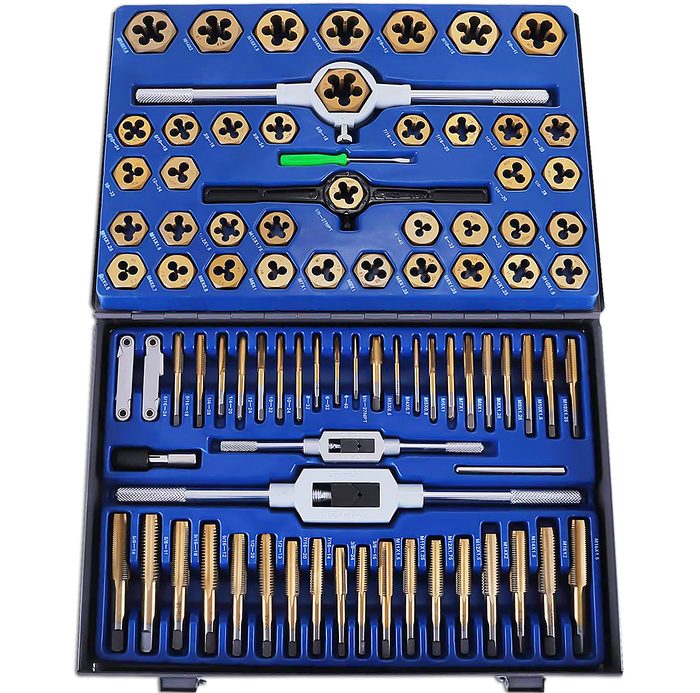
Taps and Dies Set
Pieces: 110
-
Taps and Dies Set
Pieces: 34
-
-
-
About cutting tools
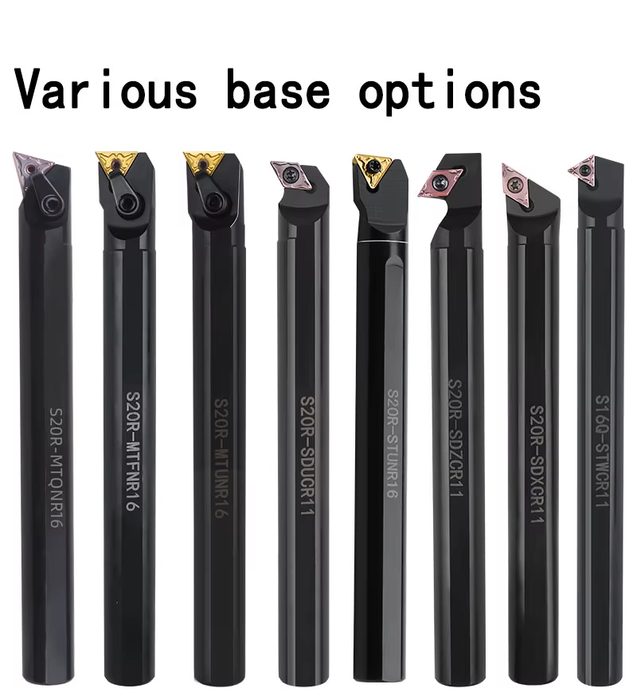
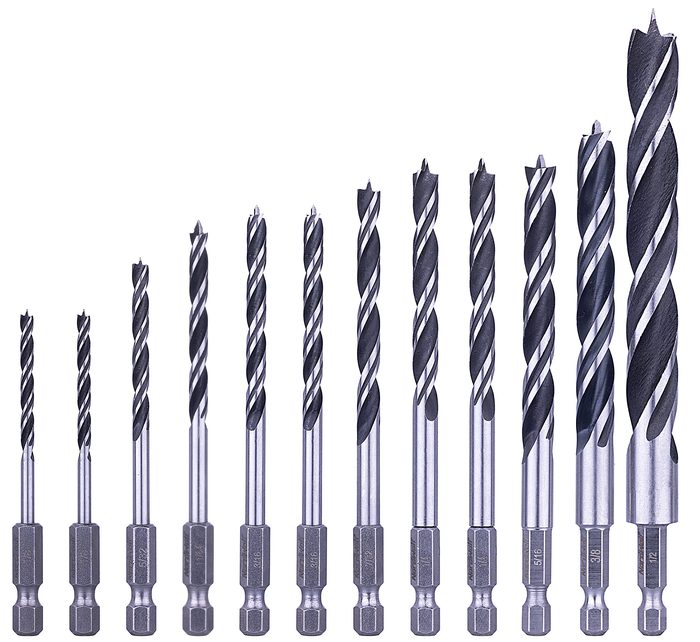
Cutting tools are essential for material removal processes, including milling, drilling, tapping, reaming, and turning. This category encompasses a wide range of tools such as end mills, drill bits, taps, dies, reamers, and carbide inserts. End mills are specified by their diameter, flute count, and length of cut, with common types including square, ball nose, and corner radius. Drill bits are characterized by diameter, length, and point angle, available in twist, spade, and step drill configurations. Taps and dies are defined by their thread form (e.g., M, UNC, UNF), pitch, and nominal diameter, used for creating internal and external threads respectively. Reamers are used for precise hole sizing and finishing, specified by diameter and flute type. Inserts, typically carbide, are interchangeable cutting edges for turning, milling, and drilling, designated by an ANSI or ISO insert style code, corner radius, and chip breaker geometry. Tool materials commonly include high-speed steel (HSS), cobalt HSS, solid carbide, and ceramic, often with coatings like TiN, TiAlN, or AlTiN to enhance hardness and reduce friction. Selection depends on workpiece material, required surface finish, and machine rigidity.
How to choose
How to Choose Cutting Tools When selecting cutting tools, first determine the operation: milling, drilling, tapping, reaming, or turning. Second, identify the workpiece material; this dictates the optimal tool material (e.g., HSS for softer metals, carbide for harder alloys) and coating. Third, specify the required geometric features: hole diameter, thread size and pitch, or milling profile. This narrows down the tool type (e.g., twist drill, M8x1.25 tap, 1/2" ball end mill). Fourth, consider the desired surface finish and dimensional tolerance; this influences the choice of flute count, point angle, and whether a reamer or finishing end mill is required. Finally, assess machine capabilities and rigidity, which affects feed rates, speeds, and tool overhang.