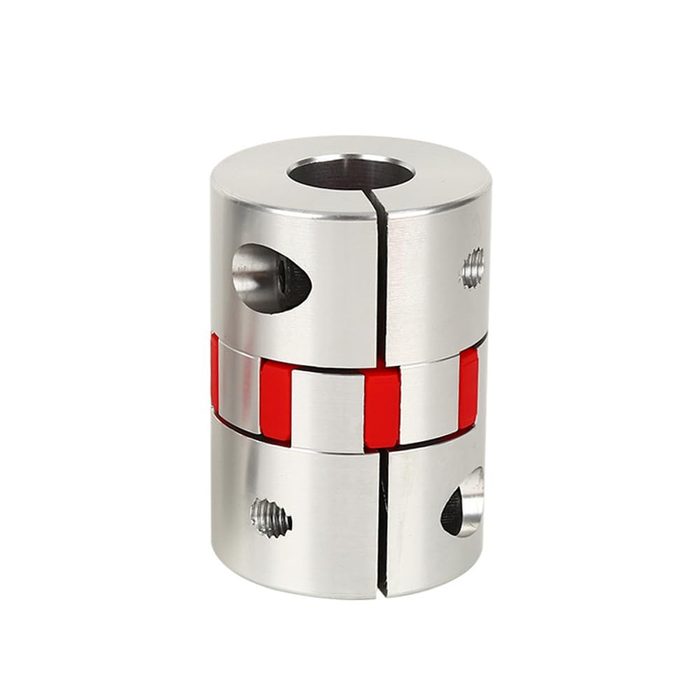
Shaft Couplings
Jaw, beam, bellows, Oldham, rigid and disc couplings.
Also searched as: flexible couplingjaw couplingbellows couplingrigid couplingoldham
-
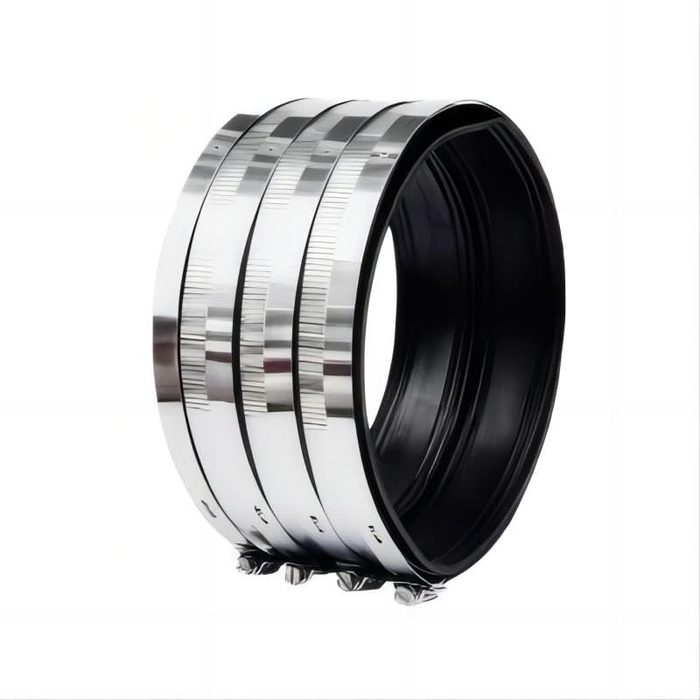
Flexible Pipe Coupling Kit
Offset: 20°
from $72.15eBay $72.15 -
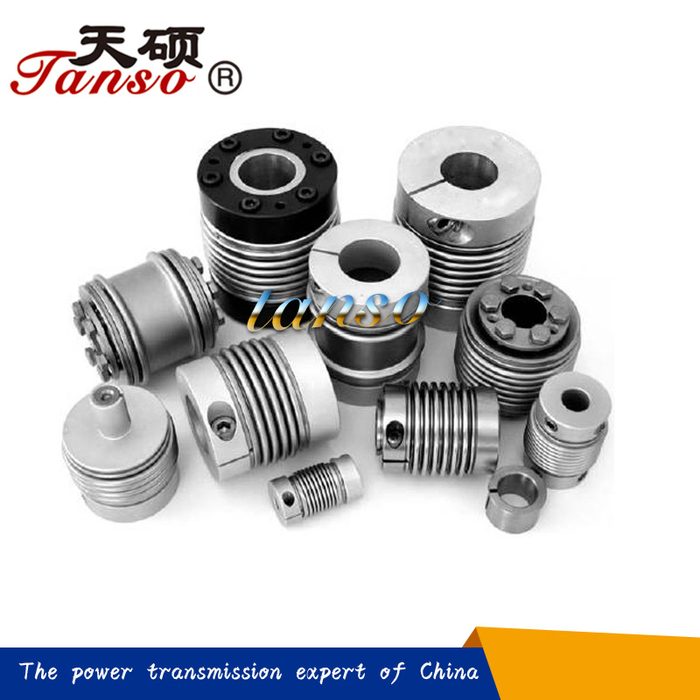 from $13.50Made-in-China $13.50
 -
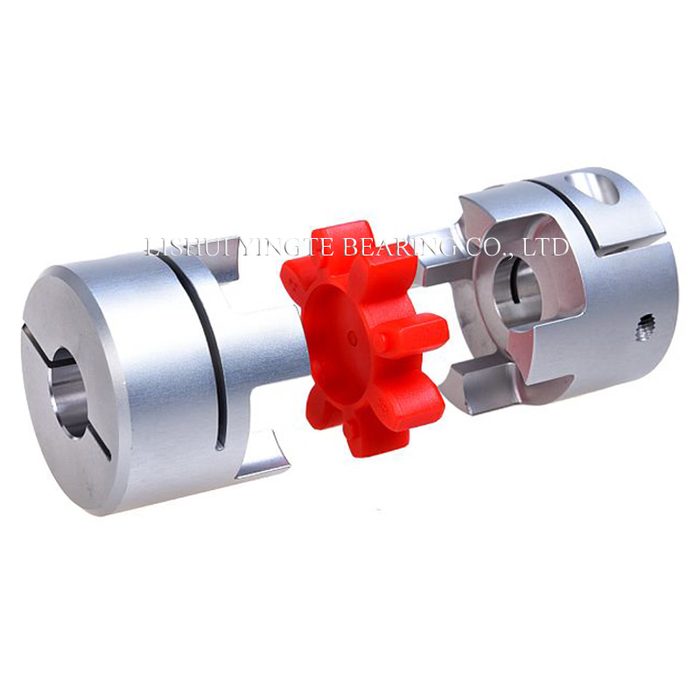
Flexible Shaft Coupling, 1/4" Bore
Bore: 1/4"
-
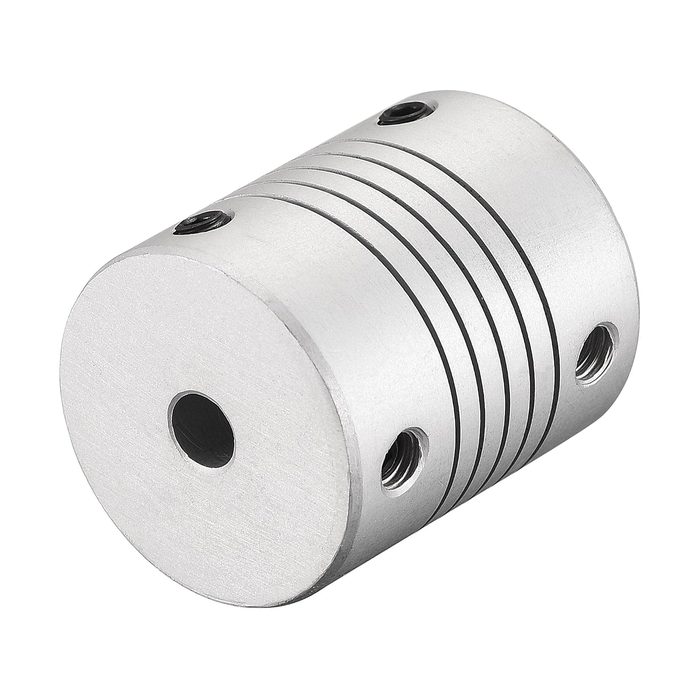
Flexible Shaft Coupling, 4mm
Bore: 3.17/4/5 mm
-
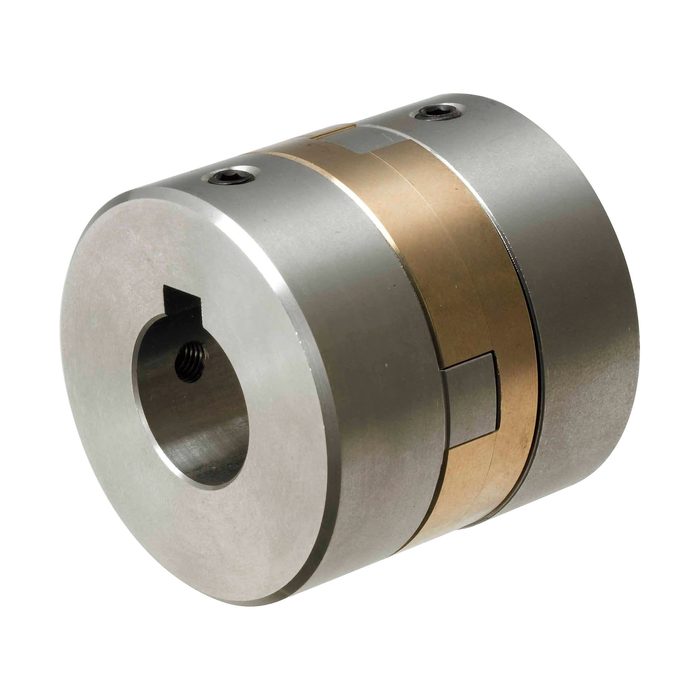
Flexible Shaft Coupling, 5/16" - 1/4"
Bore: 5/16 - 1/4
-
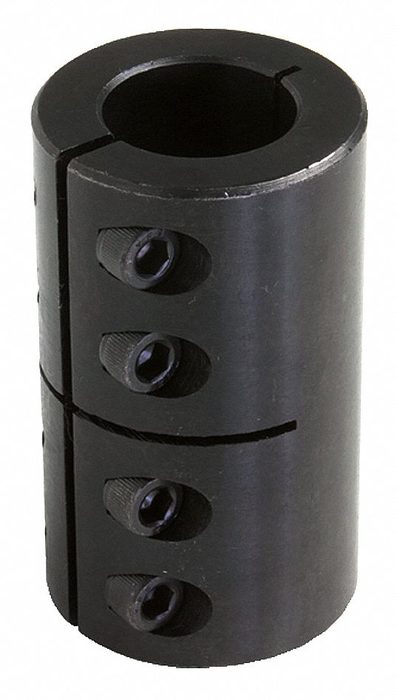
Flexible Shaft Coupling, Bore Diameter 1 1/2 in
Angular Misalignment: 7 DegreesBore Diameter: 1 1/2 inMaximum Speed: 1725 RPMOverall Length: 3 1/2 in
-
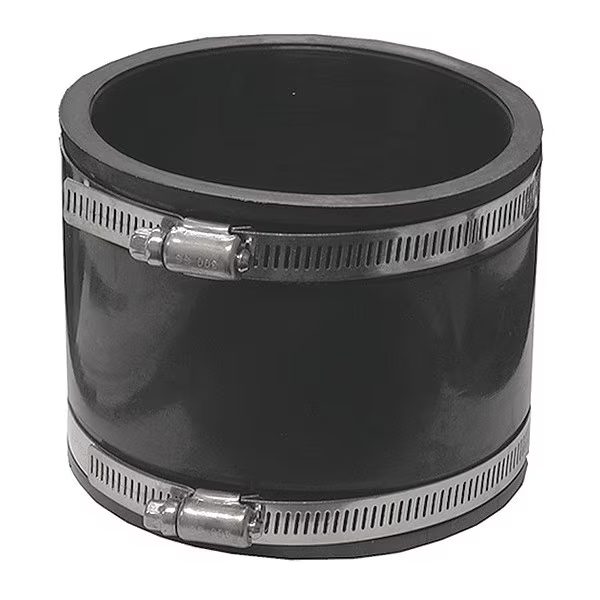
Flexible Transition Coupling, 4"
Size: 4"
-
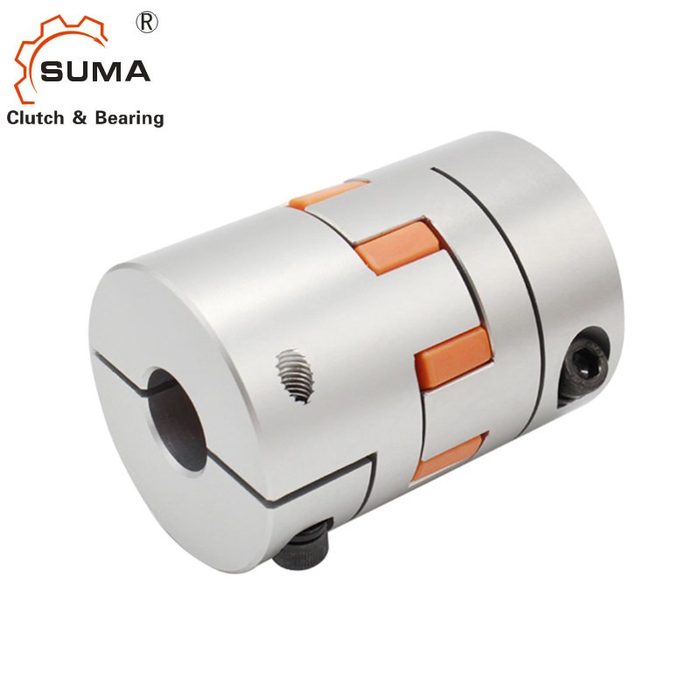
Gfc-20X25 Type Aluminum Alloy Shaft Flange Coupling
Size: 19/24/28/38/42/45/48/55/65/80/90/100
from $5.00Made-in-China $5.00 -
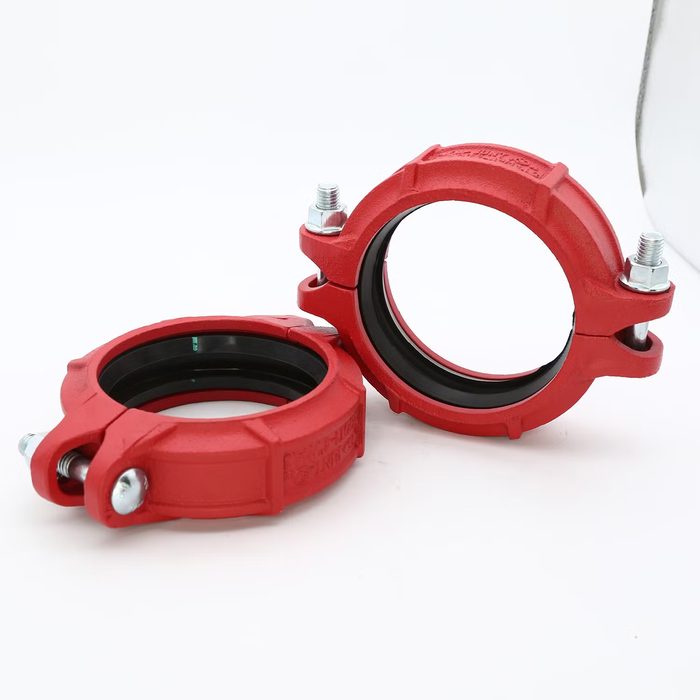
Grooved Rigid Coupling for Pipes in Wet and Dry Systems
Rated: 500 PSISize: 2-1/2"
-
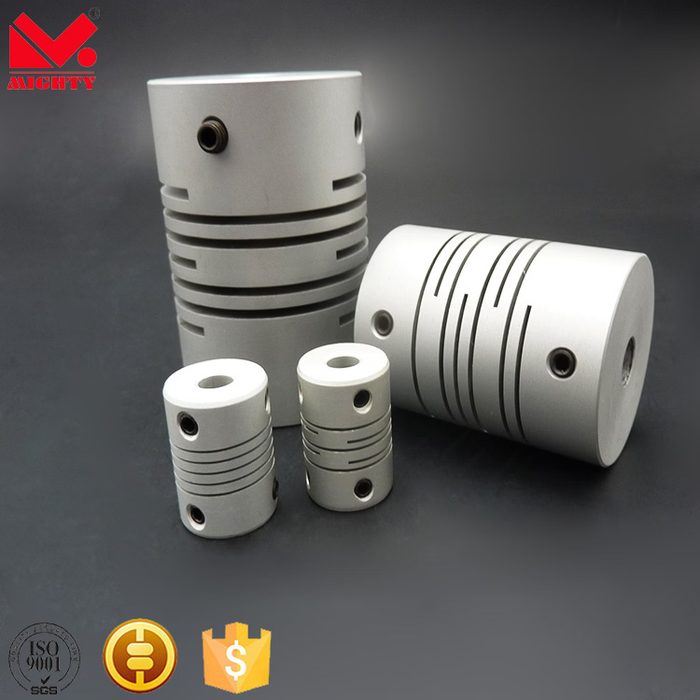 from $2.00Made-in-China $2.00
 -
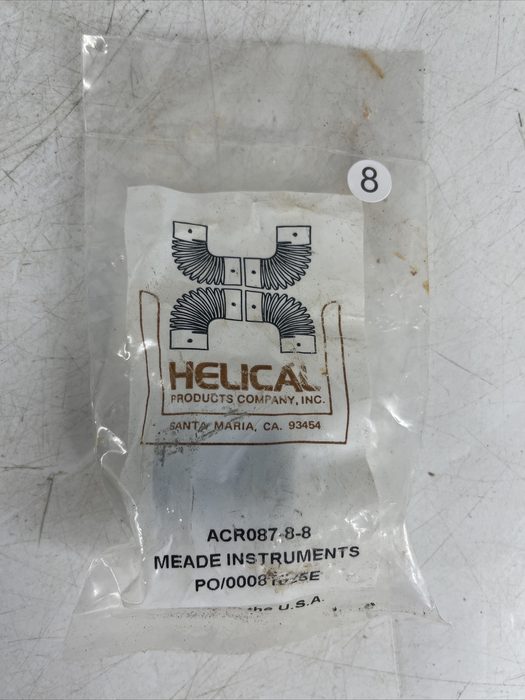 from $8.26eBay $8.26
 -
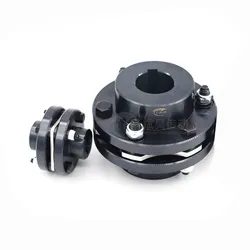
-
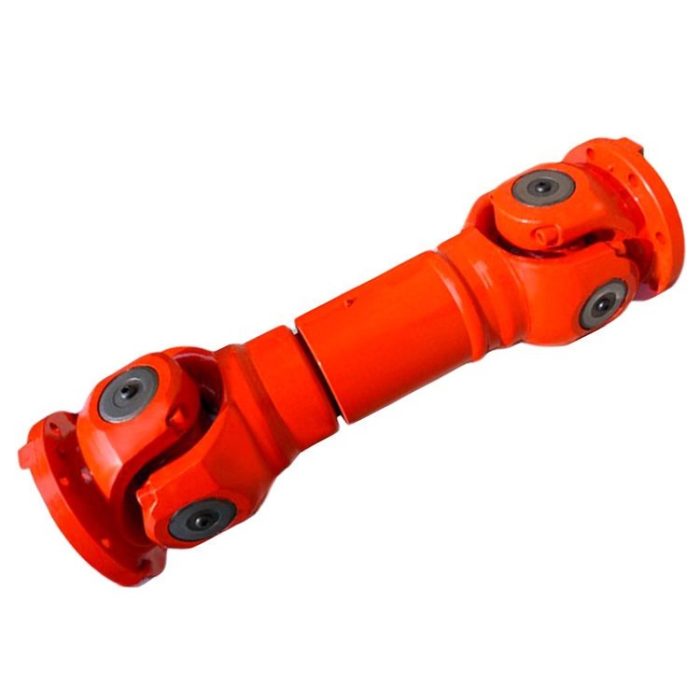 from $299.00Made-in-China $299.00
 -
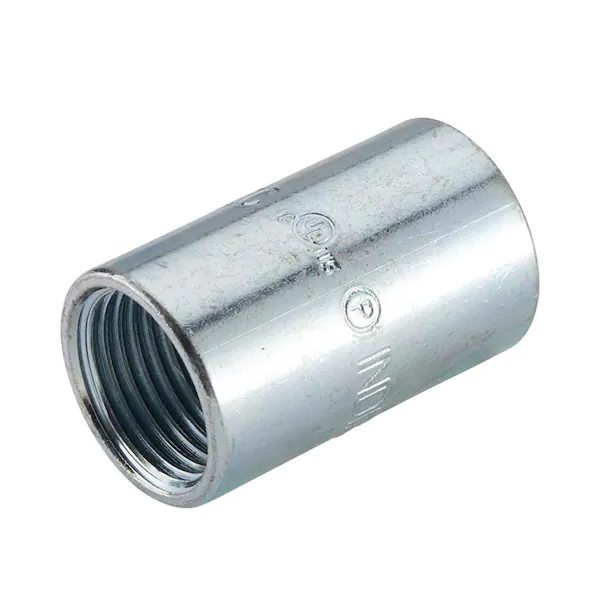
IMC/Rigid Coupling, 1/2 in, Threaded
Connection Type: ThreadedSize: 1/2 in
-
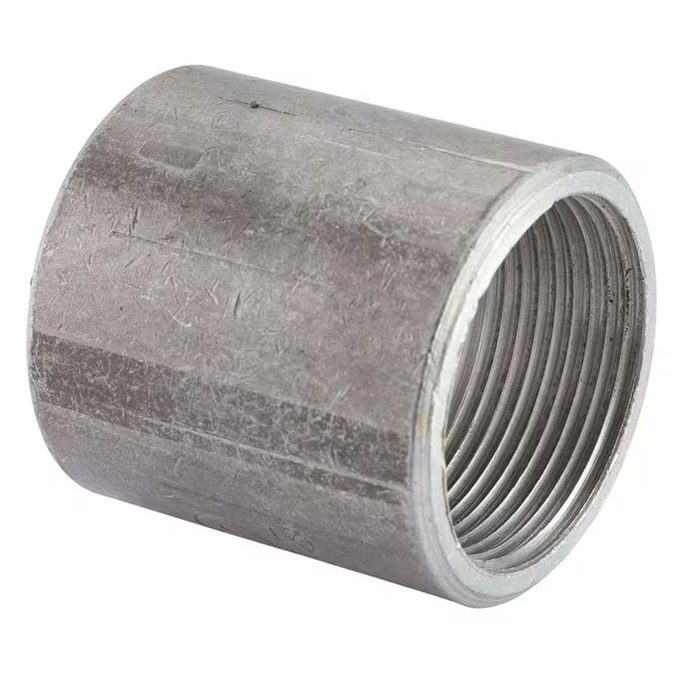
IMC/Rigid Coupling, 2 in, Threaded
Connection Type: ThreadedSize: 2 in
-
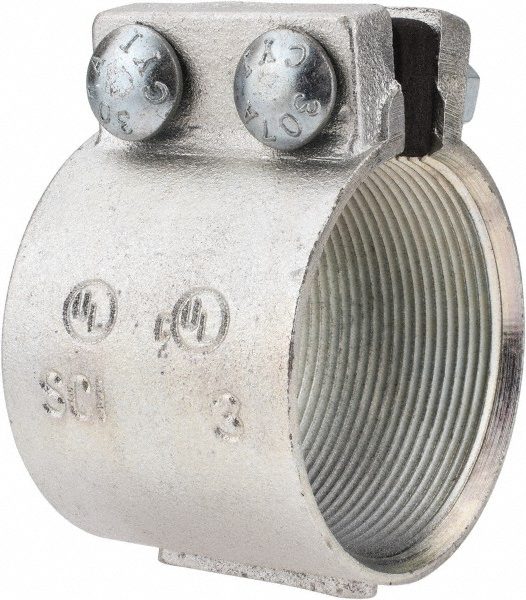
IMC/Rigid Coupling, 3 in, Threaded
Connection Type: ThreadedOverall Length: 3 3/4 inTrade Size: 3 in
-
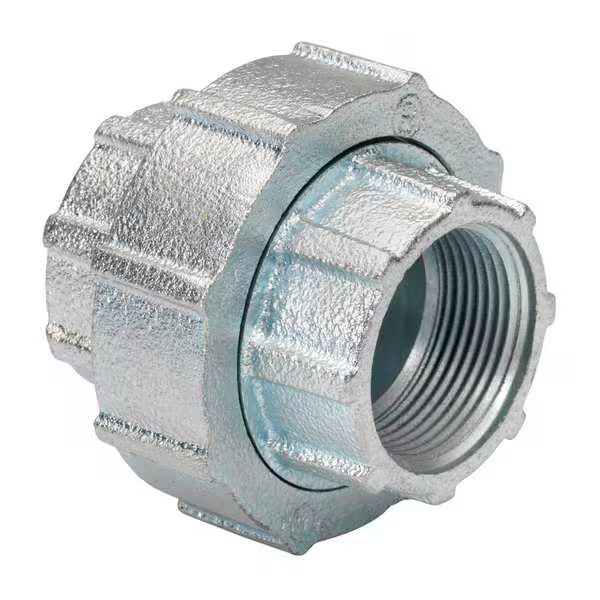
IMC/Rigid Coupling, 3/4 in, Threaded
Connection Type: ThreadedOutside Diameter: 1.37 inOverall Height: 2 inOverall Length: 2-1/8 inOverall Width: 1 3/8 in
-
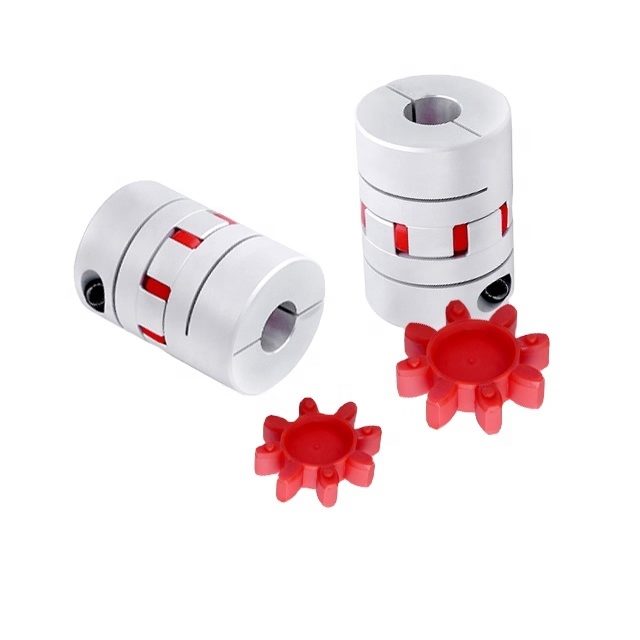 from $3.99Made-in-China $3.99
 -
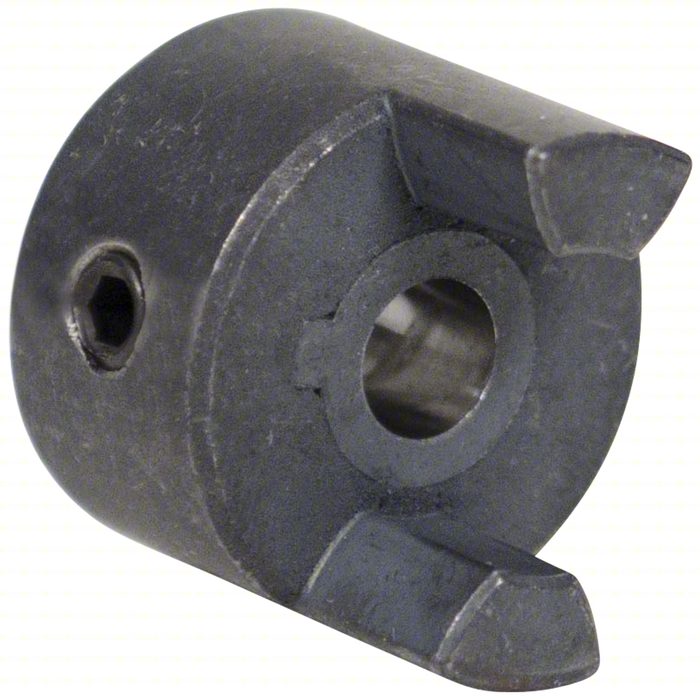
Jaw Coupling Hub
Coupling Size: L050Outside Diameter: 1 5/64 in
from $9.66Grainger $9.66 -
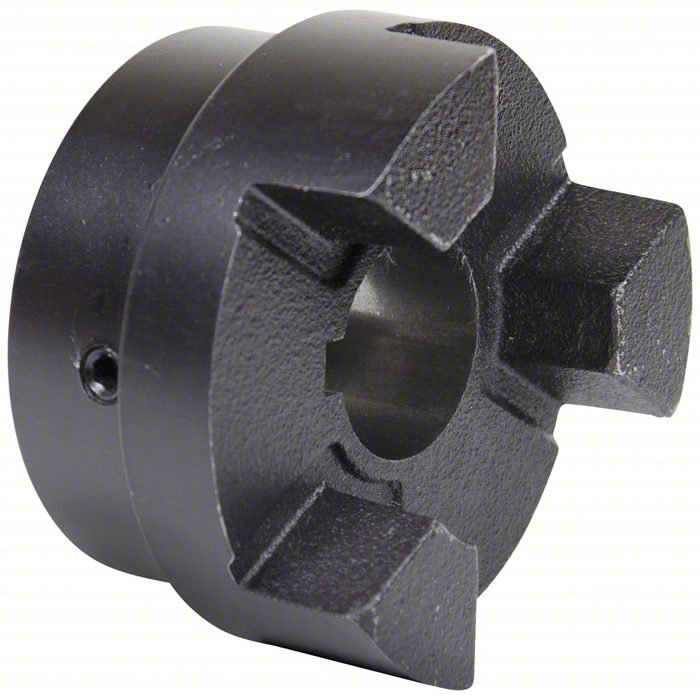
Jaw Coupling Hub
Coupling Size: L190Outside Diameter: 4 1/2 in
from $201.21Grainger $201.21 -
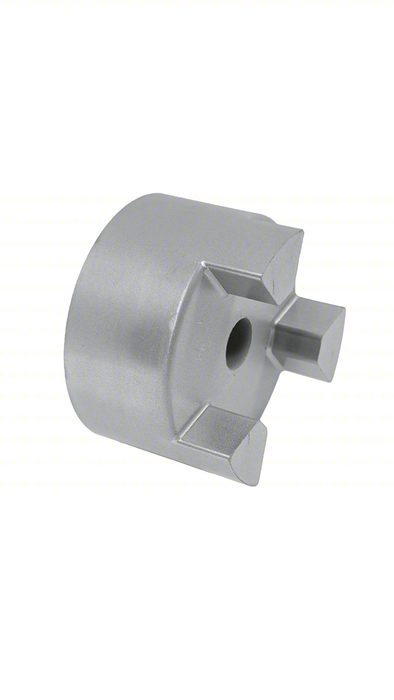
Jaw Coupling Hub
Coupling Size: L225Outside Diameter: 5 in
from $400.01Grainger $400.01 -
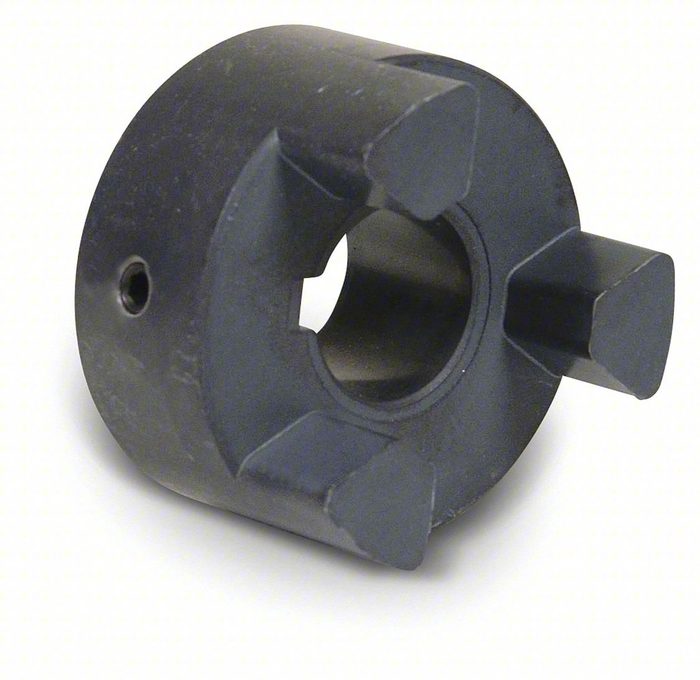
Jaw Coupling Hub
Coupling Size: L150
from $122.08Grainger $122.08 -
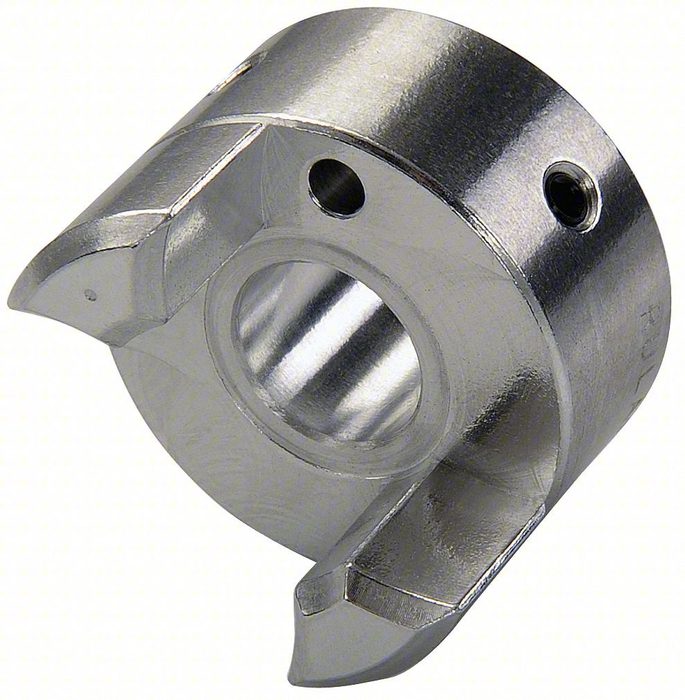
Jaw Coupling Hub
Coupling Size: MJS25
from $43.33Grainger $43.33 -
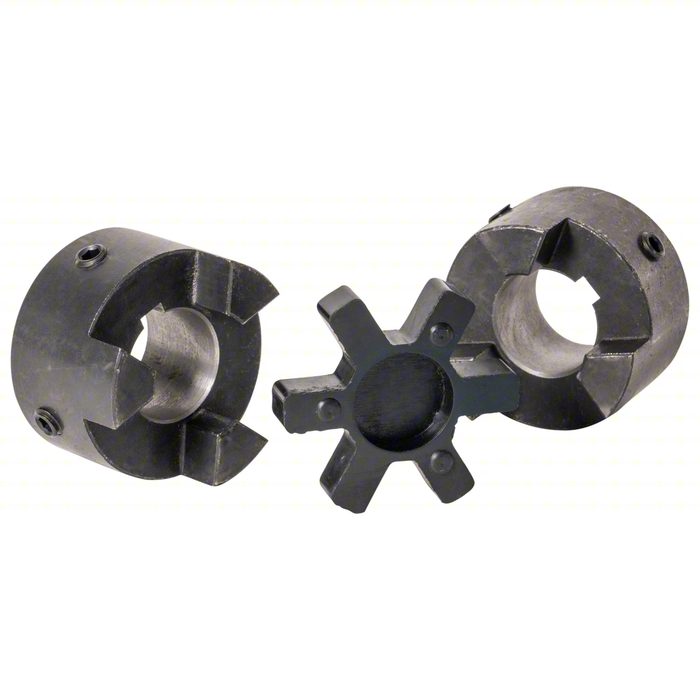
Jaw Coupling Hub
Coupling Size: L050-10MM
from $9.99Grainger $9.99 -
Jaw Coupling Hub
Coupling Size: L090Outside Diameter: 54 mm
from $24.30Grainger $24.30 -
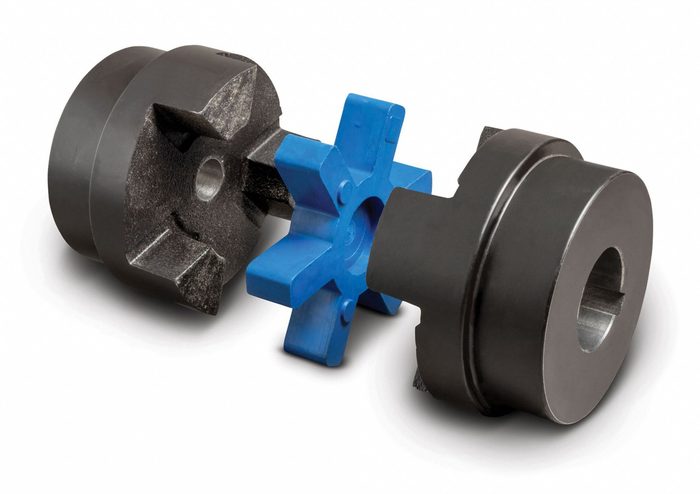
-
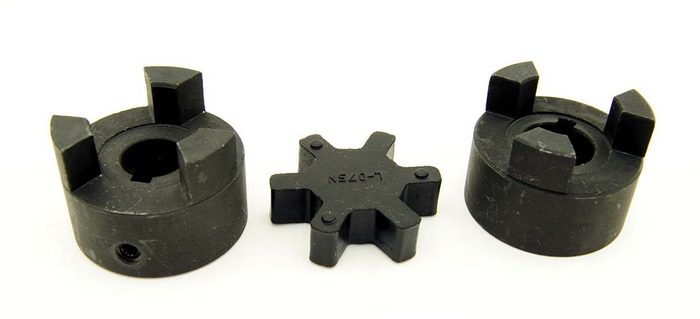
Jaw Coupling Hub LO75, 3/4" Bore 1.75" OD 0.62" W Gray
Bore Diameter: 3/4"Coupling Size: LO75Keyway Size: 3/16" x 3/32"Outer Diameter: 1.75"Screw Thread Size: 1/4"-20
-
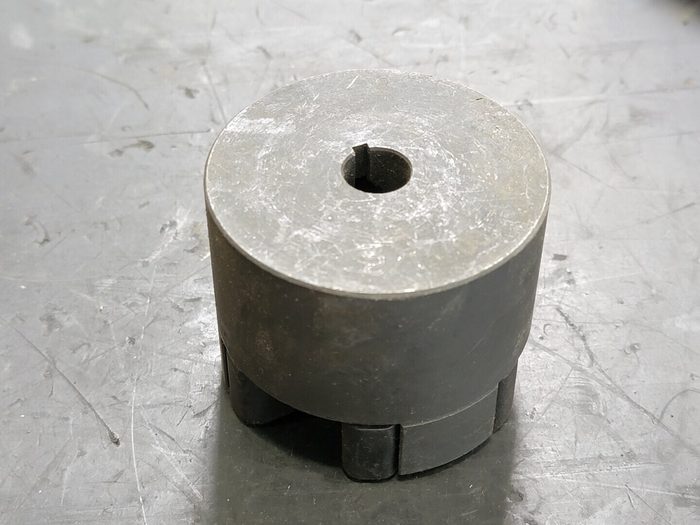
Jaw Coupling Hub w/ Spider Coupling
Weight: 1.50 lbs
from $14.08eBay $14.08 -
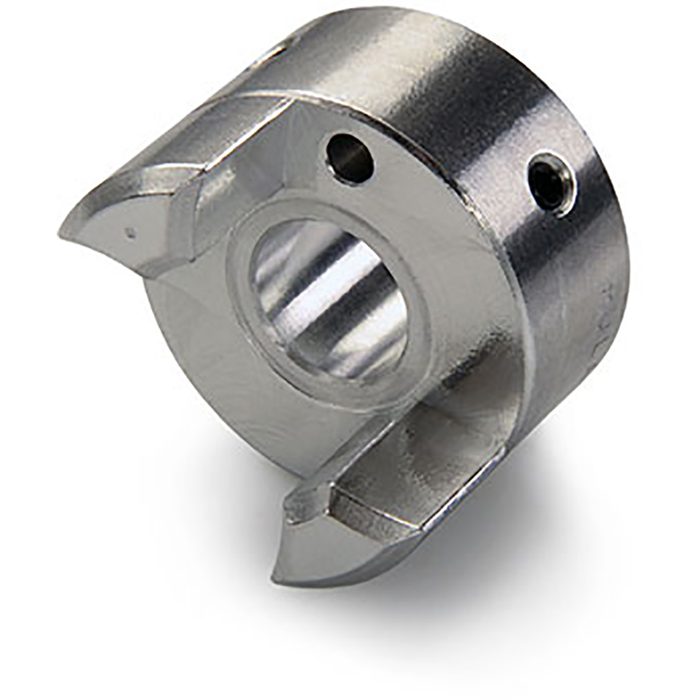
Jaw Coupling Hub, 10mm, 5/16" Natural With Set Screw
Bore: 10 mm, 5/16"
-
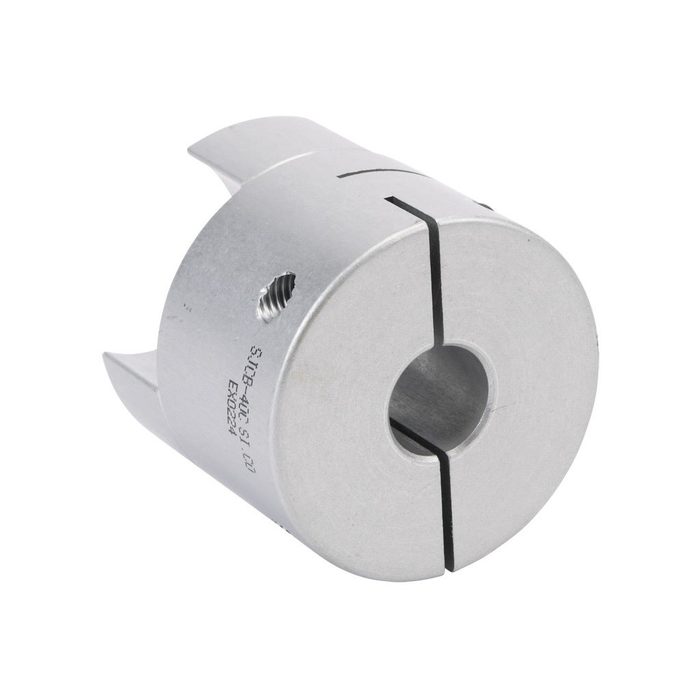
Jaw Coupling Hub, 12mm, 12mm Natural w/ Clamping
Bore: 12 mm, 12 mm
-
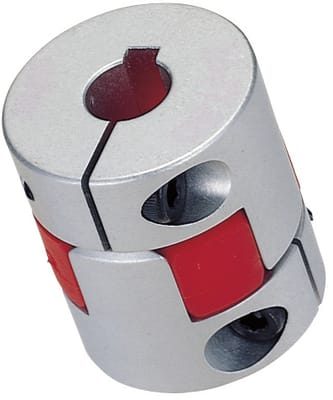
Jaw Coupling Hub, 20mm, 20mm Natural w/ Clamping
Bore: 20 mm, 20 mm
-
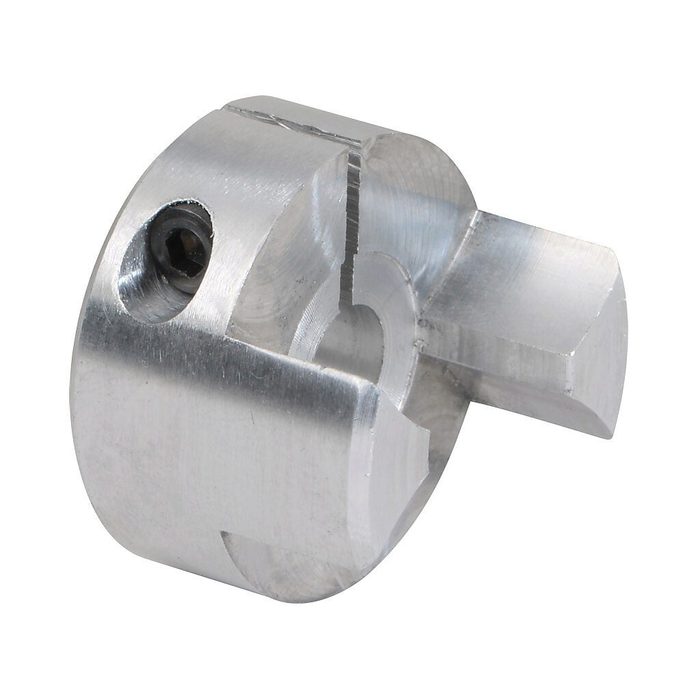
Jaw Coupling Hub, 8mm, 1/4" Natural w/ Clamping
Bore: 8 mm, 1/4"
-
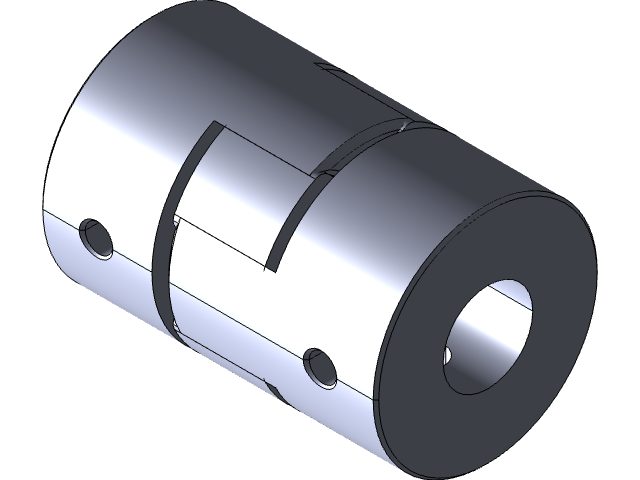
Jaw Coupling Hub, 8mm, 3/8" Natural With Set Screw
Bore: 8 mm, 3/8"
-
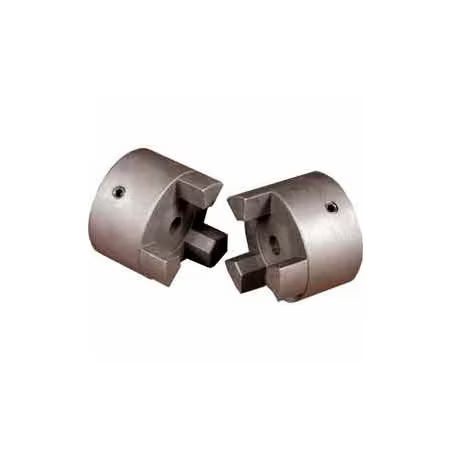
Jaw Coupling Hub, 8mm, 3/8" Natural w/ Clamping
Bore: 8 mm, 3/8"
-
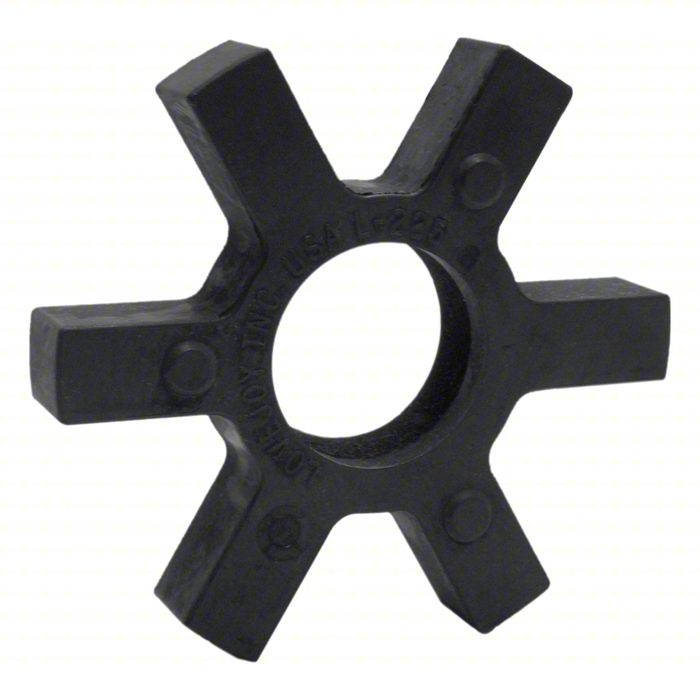
Jaw Coupling Insert
Coupling Size: AL099/AL100/L099/L100Outside Diameter: 2 35/64 in
from $50.11Grainger $50.11 -
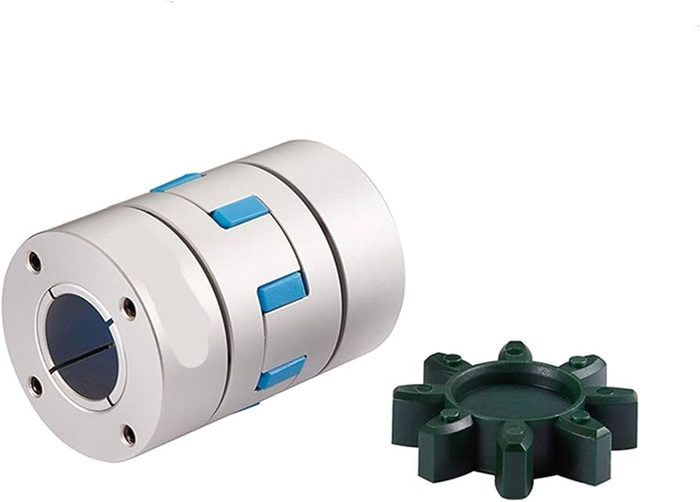
Jaw Coupling OD 40x55mm, 6/8mm bore
Length: 30mmOutside Diameter: 20mm
About shaft couplings
Shaft couplings are mechanical components used to connect two shafts together, transmitting torque while accommodating various degrees of misalignment. Key types include jaw, beam, bellows, Oldham, rigid, and disc couplings. Jaw couplings, often employing an elastomeric spider, provide vibration dampening and moderate misalignment capabilities. Beam couplings are typically machined from a single piece of material, offering high flexibility for angular and parallel misalignment in light-duty applications. Bellows couplings excel in high-precision and high-speed applications, providing zero backlash and accommodating significant angular misalignment. Oldham couplings utilize a central disc to handle parallel misalignment effectively. Rigid couplings are used when precise shaft alignment is critical and no misalignment compensation is desired. Disc couplings, available in single or double disc configurations, offer high torque capacity and zero backlash, suitable for servo applications. Selection criteria include torque rating (Nm), maximum RPM, bore diameter (mm or inches), angular misalignment capacity (°), parallel misalignment capacity (mm), and axial displacement capacity (mm). Common materials include aluminum, stainless steel, and various engineering plastics for spiders, with finishes like anodization or passivation.
How to choose
When selecting a shaft coupling, first determine the required torque transmission capacity and maximum operating RPM. Next, assess the type and degree of misalignment present: angular, parallel, or axial. This will dictate the fundamental coupling type (e.g., rigid for zero misalignment, jaw for moderate, bellows for high angular). Then, specify the bore diameters for both shafts, ensuring compatibility with standard coupling bore ranges. Finally, consider environmental factors such as temperature, chemical exposure, and vibration, which will influence material selection (e.g., stainless steel for corrosive environments, specific elastomers for temperature ranges) and overall coupling design for optimal performance and longevity.