Clutches & Brakes
Electromagnetic, mechanical, one-way and torque limiters.
Also searched as: one way clutchtorque limiterelectromagnetic brakeslip clutchoverrunning
-
-
-
-
-
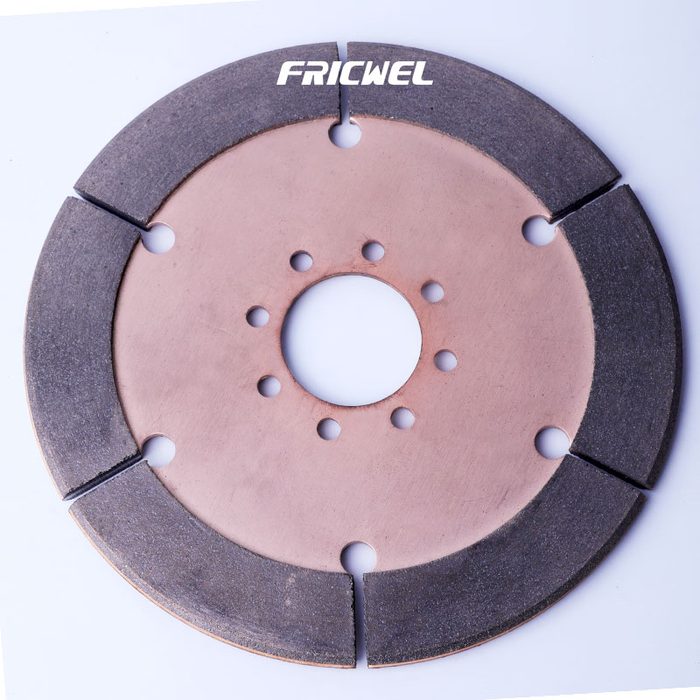
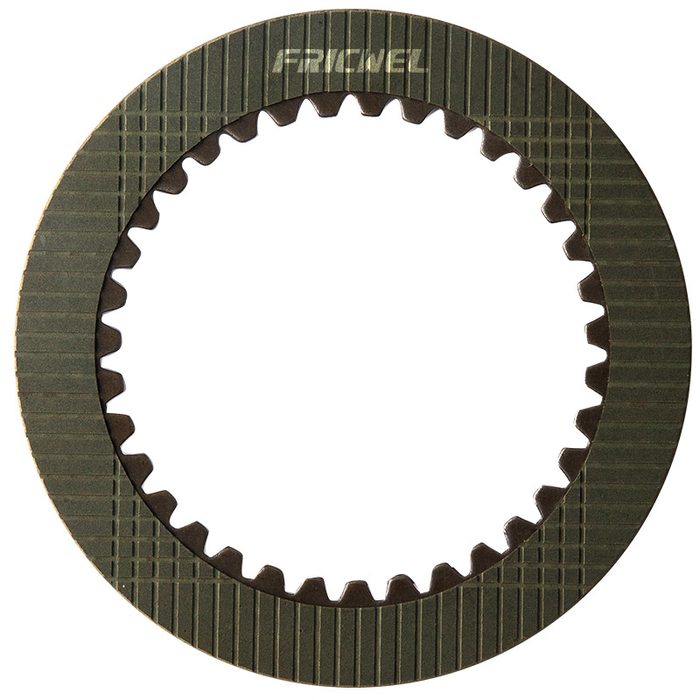
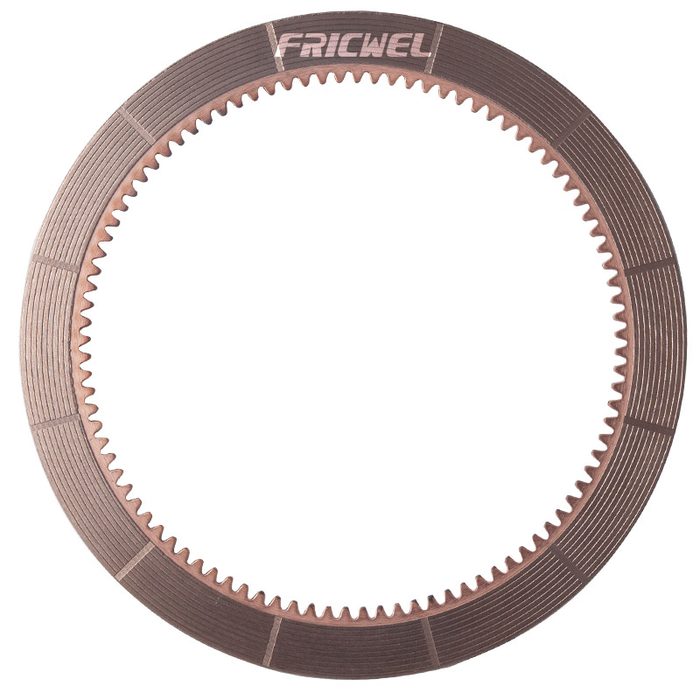
Slip Clutch Friction Disc Plate
Inner Diameter: 1.125"Outer Diameter: 6.5"Thickness: 0.188"
-
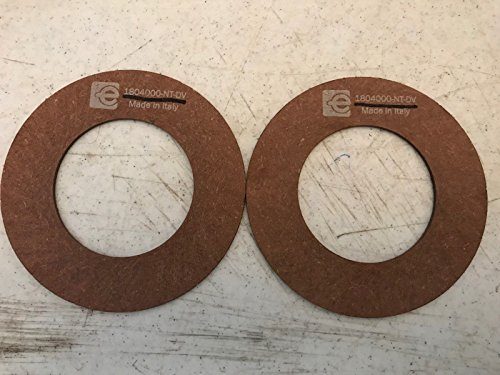
Slip Clutch Friction Disc Plate ID 3.594" w/ 6" OD & Thickness of .125" FP6035
Inner Diameter: 3.594"Outer Diameter: 6"Thickness: 0.125"
-
-
 from $29.99eBay $29.99
 -
-
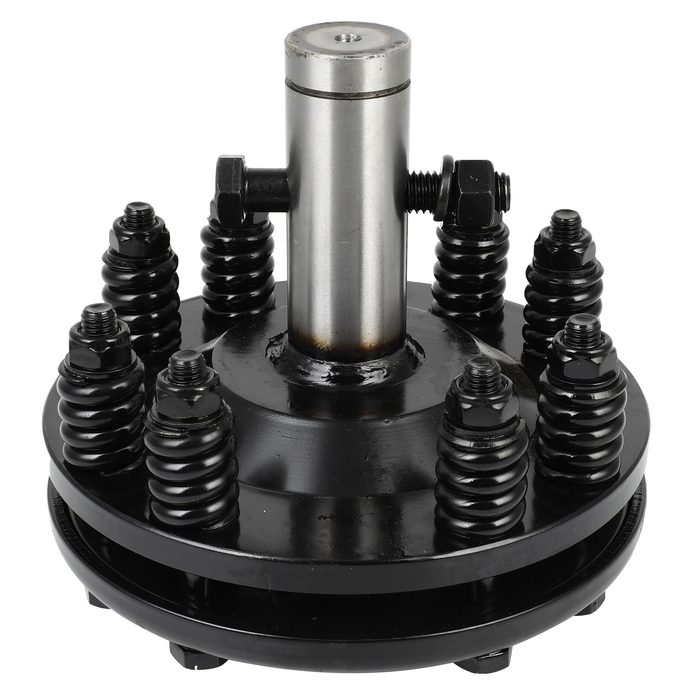
Slip Clutch PTO Slip Clutch
Shaft Ends: 1 3/8" 6 Spline
from $79.05eBay $79.05 -
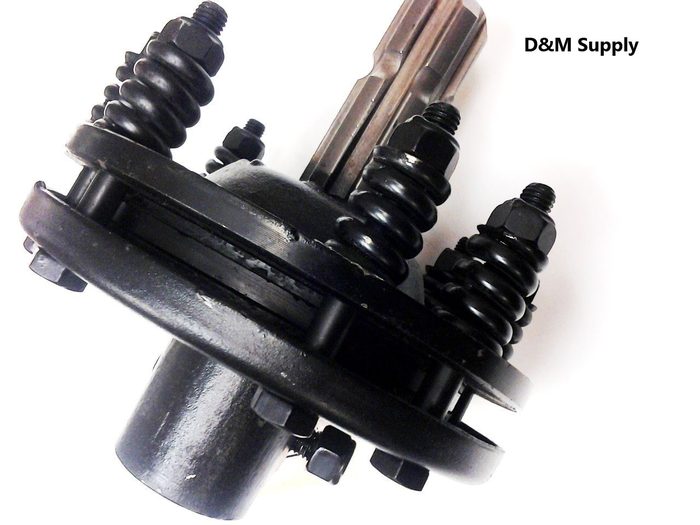
Slip Clutch PTO Slip Clutch
Shaft Ends: 1 3/8” 6 Spline
from $211.84eBay $211.84 -
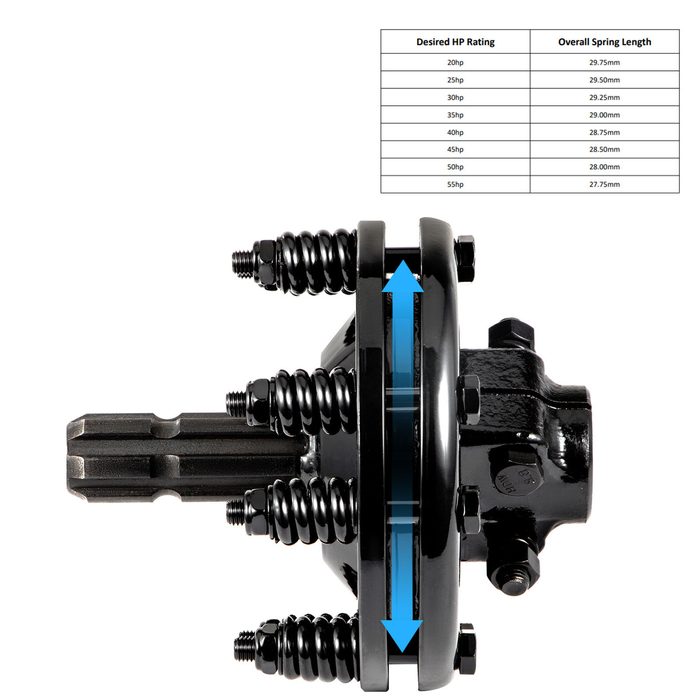
Slip Clutch for PTO Shaft, 1 3/8" PTO Slip Clutch
PTO Shaft Size: 1 3/8"
-
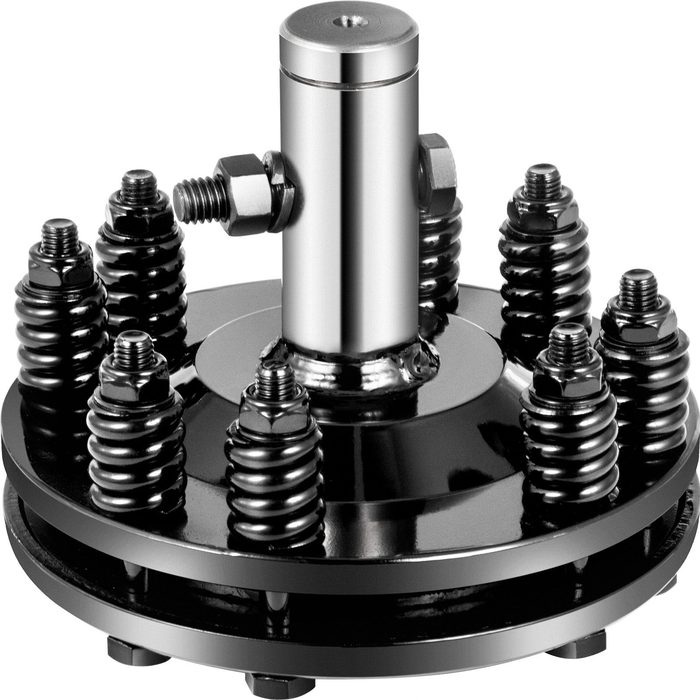
Slip Clutch for tractor pto bush hog rotary cutter
Spline Design: 1 3/8 x 6 spline male
from $79.99eBay $79.99 -
-
-
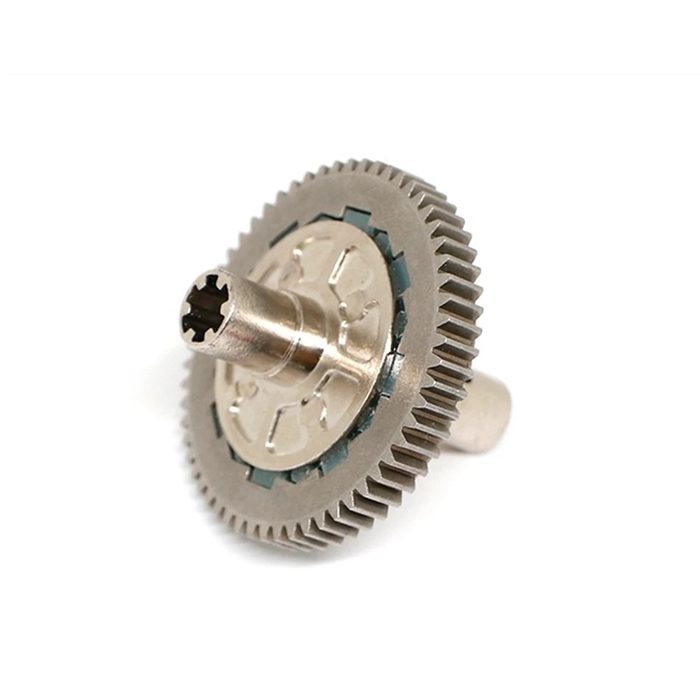
Slipper Clutch Spur Gear ARA310949
Mod: 0.8Teeth: 57T
-
-
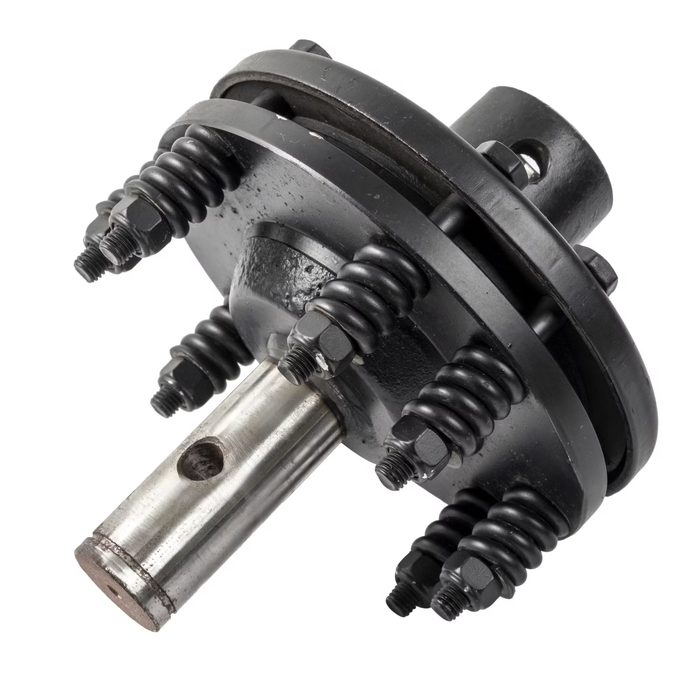
Smooth Male Pto Slip Clutch
Female Shaft Diameter: 1-3/8"Male Shaft Diameter: 1-3/8"Series: 4, 5, 6
-
Smooth Male Pto Slip Clutch
Female Shaft Diameter: 1-3/8"Male Shaft Diameter: 1-3/8"Series: 4, 5, and 6
-
 from $149.99Zoro $149.99
 -
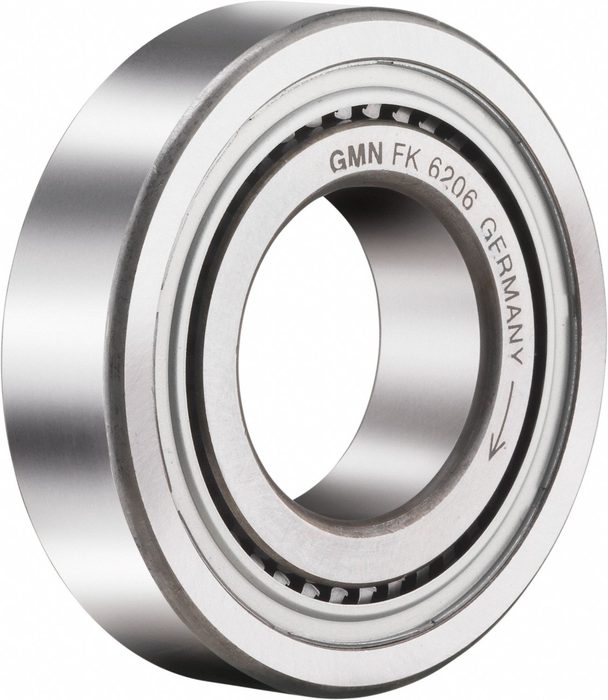
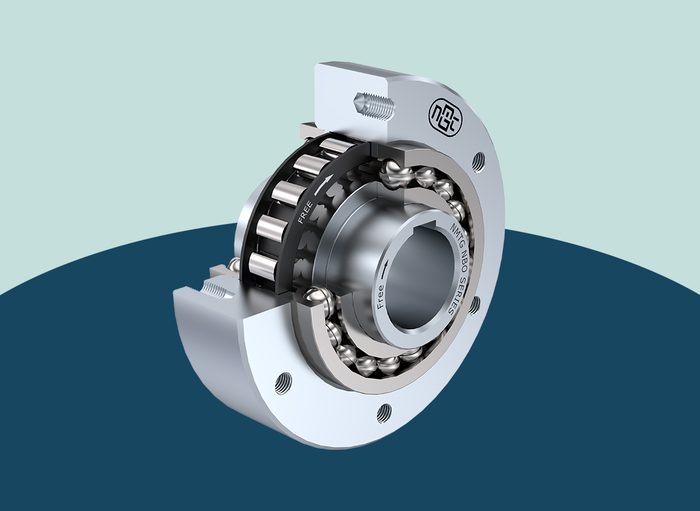
Sprag Ball Bearing Supported Clutch
Bore Size: 25 mm
-
Sprag Ball Bearing Supported Clutch
Bore Size: 30 mm
-
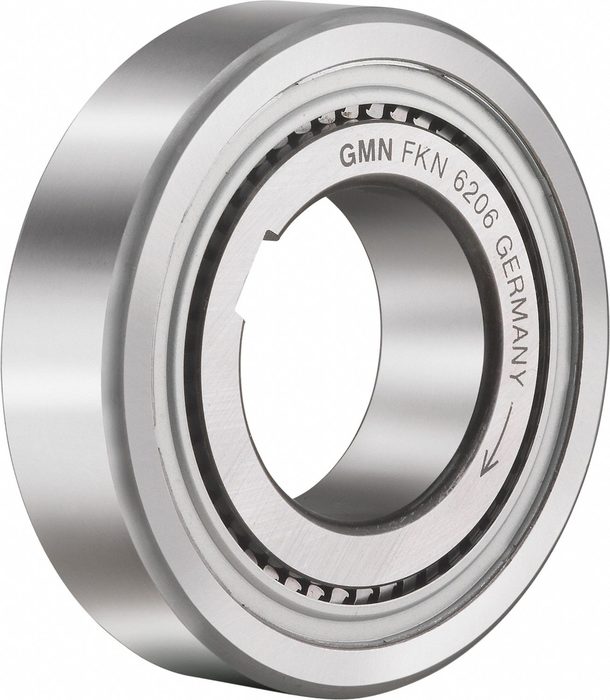
Sprag Ball Bearing Supported Clutch
Bore Size: 35 mm
-
Sprag Ball Bearing Supported Clutch
Bore Size: 15 mm
-
Sprag Ball Bearing Supported Clutch
Bore Size: 40 mm
-
Sprag Ball Bearing Supported Clutch
Bore Size: 10 mm
-
Sprag Ball Bearing Supported Clutch
Bore Size: 45 mm
-
Sprag Ball Bearing Supported Clutch
Bore Size: 20 mm
-
Sprag Ball Bearing Supported Clutch
Bore Size: 15 mm
-
Sprag Ball Bearing Supported Clutch
Bore Size: 50 mm
-
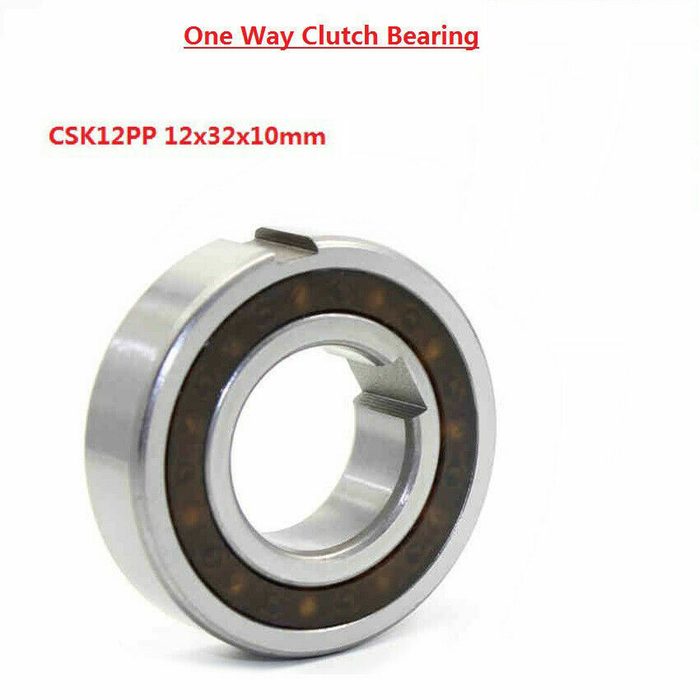
-
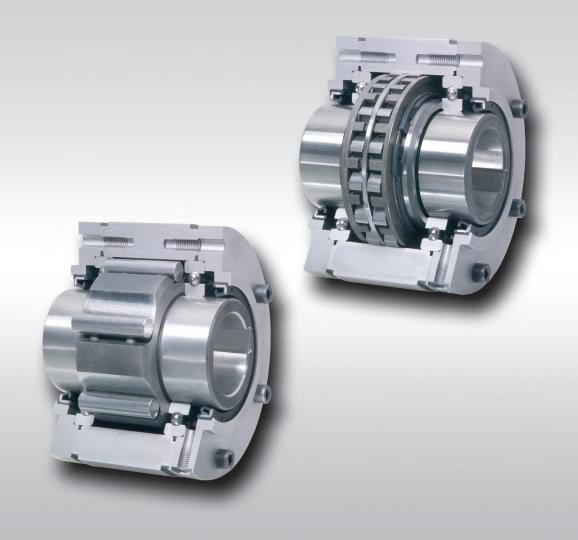
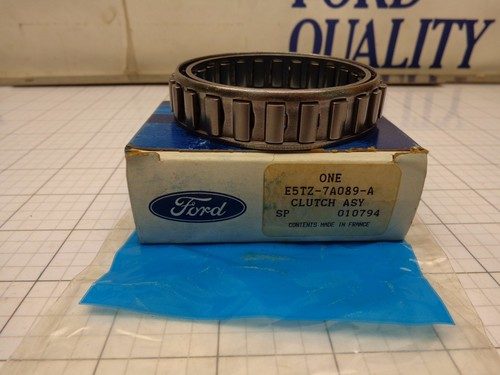
Sprag Freewheel One Way Indexing Overrunning Clutch BD
Bore: up to 150 mmCertification: ISO/TS16949:2002Classification: One Way ClutchElectromagnetic Clutch: NoHS Code: 84836000
from $10.00Made-in-China $10.00 -
-
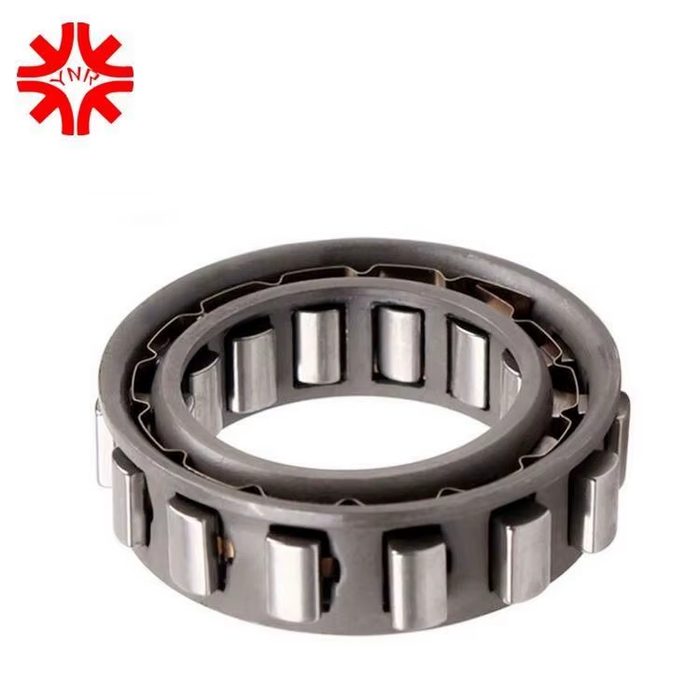
Sprag One Way Overrunning Clutch Bearing
Sprags: 18
-
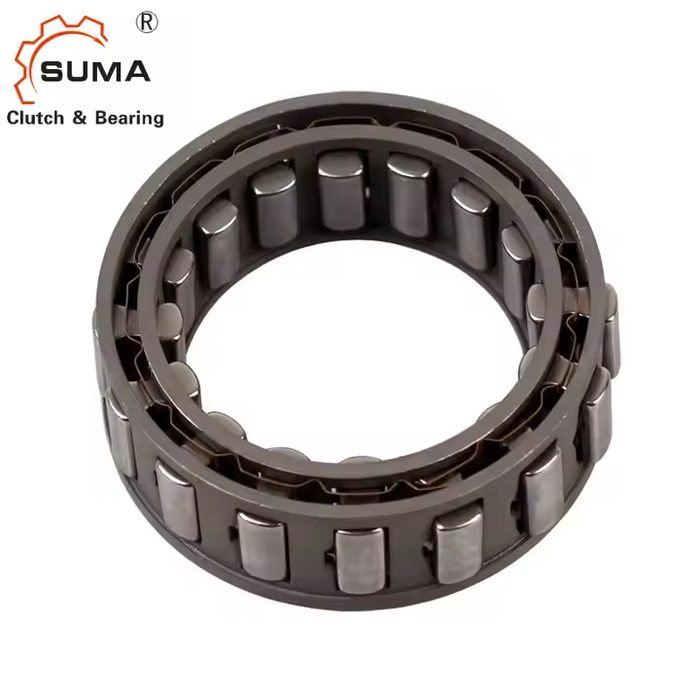
Sprag-type One-Way Overrunning Clutch
Dimensions: 72.217x88.877x21
-
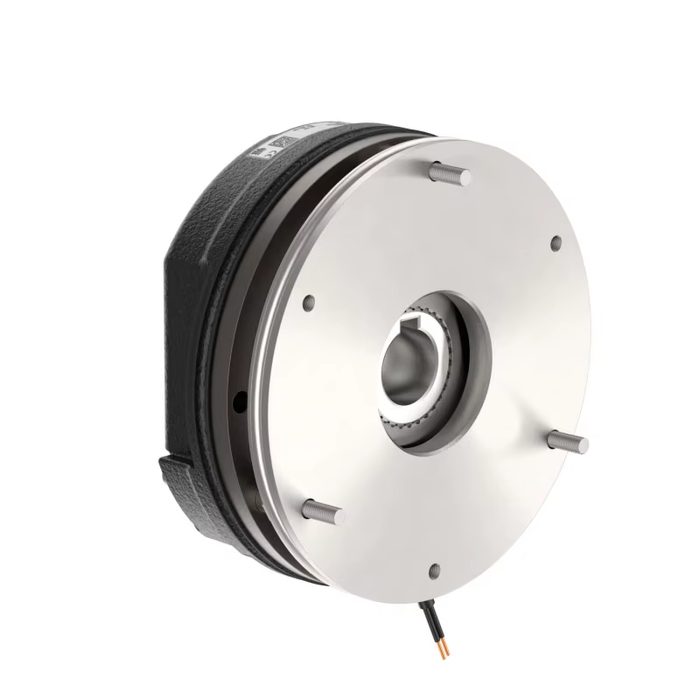
Spring Applied Industrial Electromagnetic Brake
Maximum Outside Diameter: 120Power: 20 WattsTorque Range: 5Nm~320Nm
About clutches & brakes
Clutches and brakes are essential power transmission components used for controlling torque, speed, and motion in machinery. This category encompasses a variety of types, including electromagnetic, mechanical, one-way, and torque limiting devices. Electromagnetic clutches and brakes engage or disengage through an electric current, offering precise control and rapid response. Key selection criteria include static torque, dynamic torque, voltage (VDC), current (A), and power consumption (W). Mechanical clutches and brakes, often actuated manually or pneumatically, rely on friction to transmit or absorb torque. One-way clutches, also known as overrunning clutches, allow power transmission in one direction and free-wheeling in the opposite, commonly specified by bore diameter, outer diameter, and torque capacity (Nm). Torque limiters, or slip clutches, protect machinery from overload by disengaging or slipping when a preset torque value is exceeded. Critical specifications for torque limiters include release torque (Nm), bore diameter, and operating speed (rpm). Common materials for friction surfaces include organic compounds, sintered metals, and ceramics, chosen for their wear resistance and friction coefficients. Housings are typically made from steel or aluminum, with finishes like black oxide or anodization for corrosion protection.
How to choose
When selecting clutches and brakes, first determine the required torque capacity (Nm) based on the application's load and safety factors. Next, consider the actuation method: electromagnetic for precise, remote control; mechanical for robust, direct engagement; or one-way for directional power flow. Evaluate the operating environment, including temperature and potential contaminants, to choose appropriate materials and sealing. For torque limiters, define the maximum allowable overload torque to protect the system. Finally, verify mounting dimensions, shaft diameters, and operating speed (rpm) compatibility to ensure proper integration into the machine design.