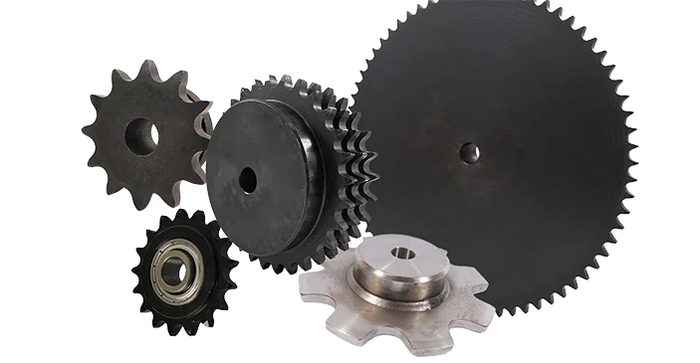
Chain & Sprockets
Roller chain, conveyor chain, sprockets and connecting links.
Also searched as: roller chain#40 chainsprocketsansi chainmaster link
-
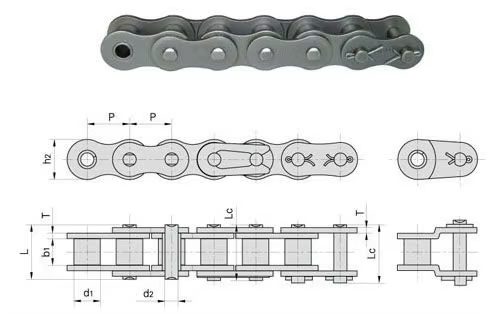
ANSI 80 Roller Chain
ANSI Chain Number: 80Length: 114"Pitch: 1"
-
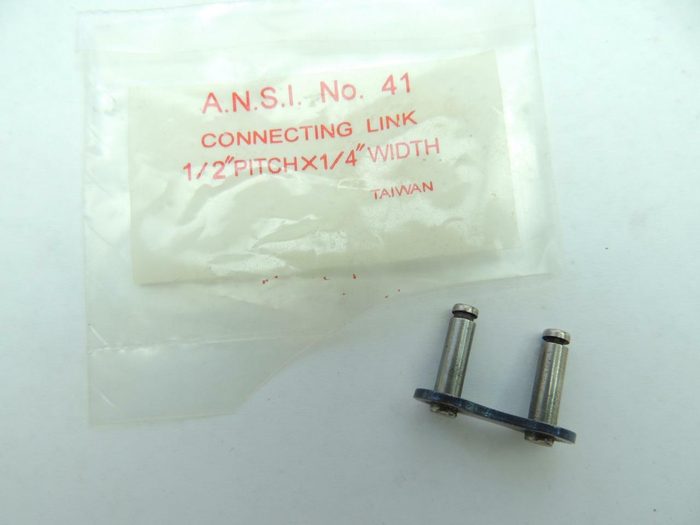
ANSI Chain Connecting Link No 41
ANSI Chain Number: 41Pitch: 1/2"Width: 1/4"
-
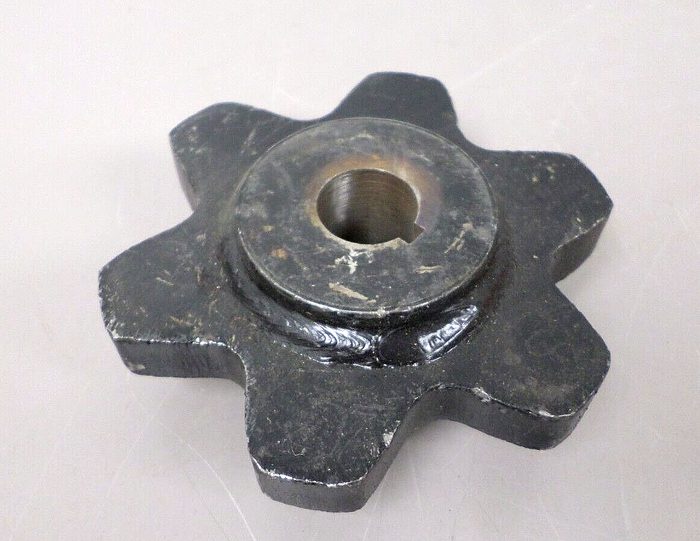
ANSI No. 160 Roller Chain Sprocket, 2" Pitch, 6 Tooth, 1" Keyed Bore
ANSI Standard: 160Bore: 1 inPitch: 2 inTeeth: 6
from $67.11eBay $67.11 -
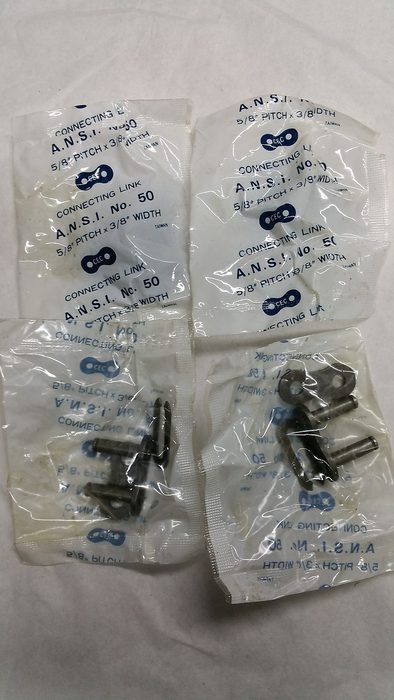
ANSI No. 50 Roller Chain Link, 5/8" Pitch, 3/8" Width
ANSI Standard: 50Pitch: 5/8 inWidth: 3/8 in
from $10.99eBay $10.99 -
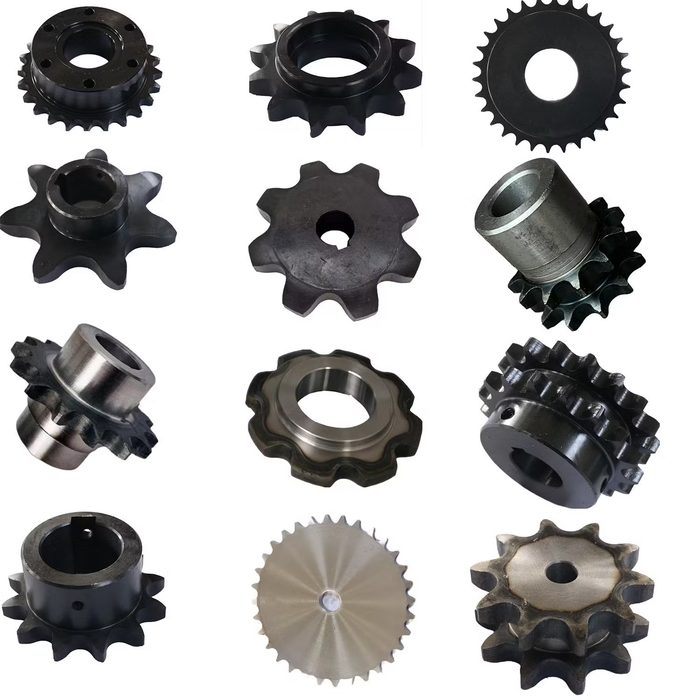
Assorted Sprockets
Shaft Size Range: 7/8" TO 1 1/2"
-
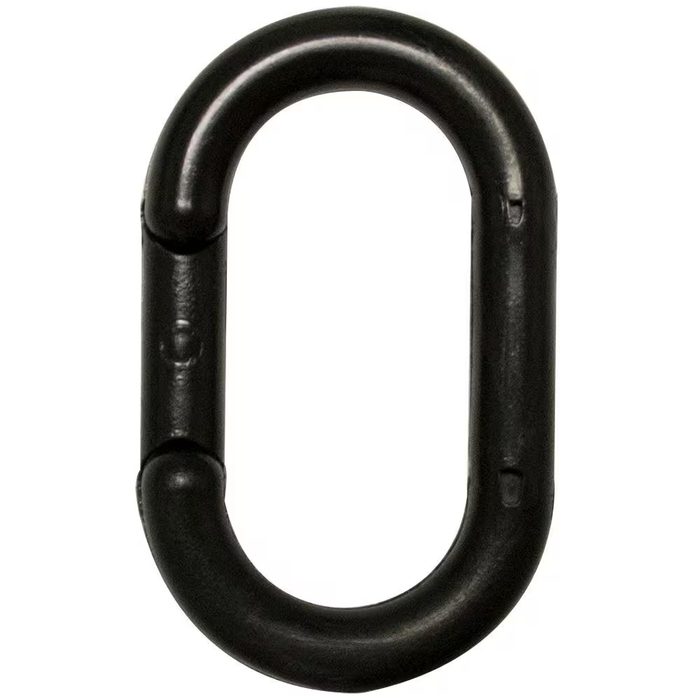
Black Master Link
Size: 2 In.
from $10.91eBay $10.91 -
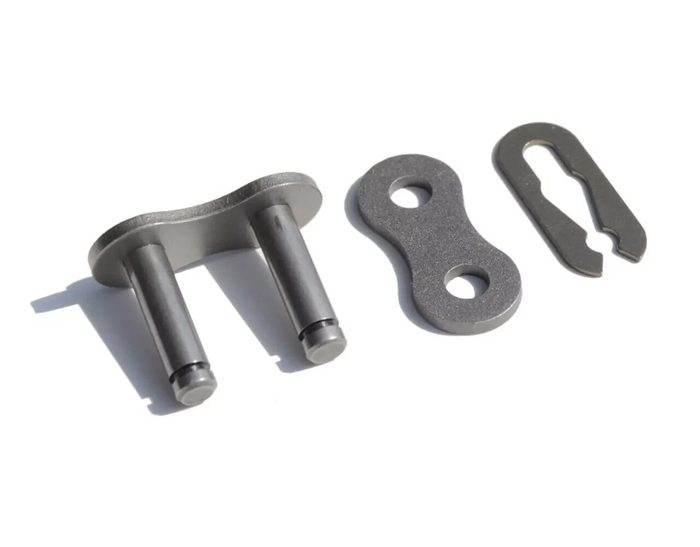 from $7.95eBay $7.95
 -
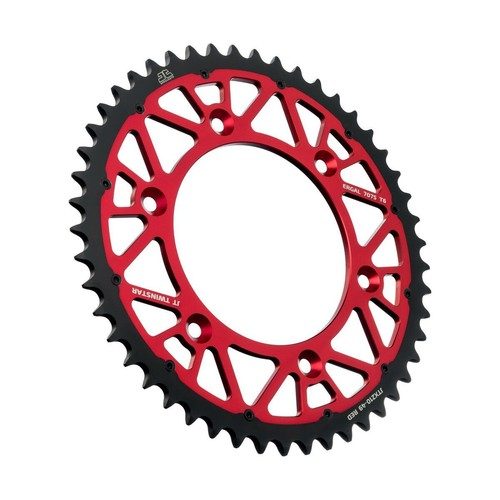
Racelite Aluminium Rear Sprocket
Color: Red
-
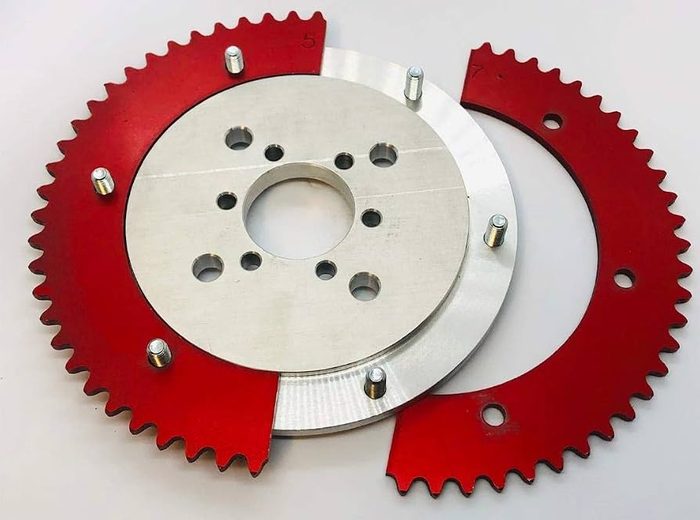
Split Aluminum Sprockets 53T Red For #35 Pitch Chain
Chain Pitch: #35Color: RedTeeth: 53
-
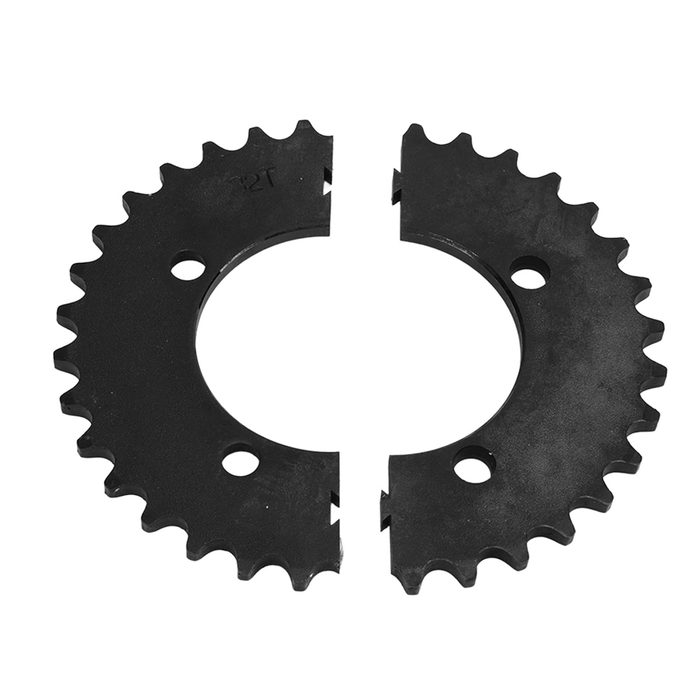
Split Aluminum Sprockets For #35 Chain
Chain Size: #35
-
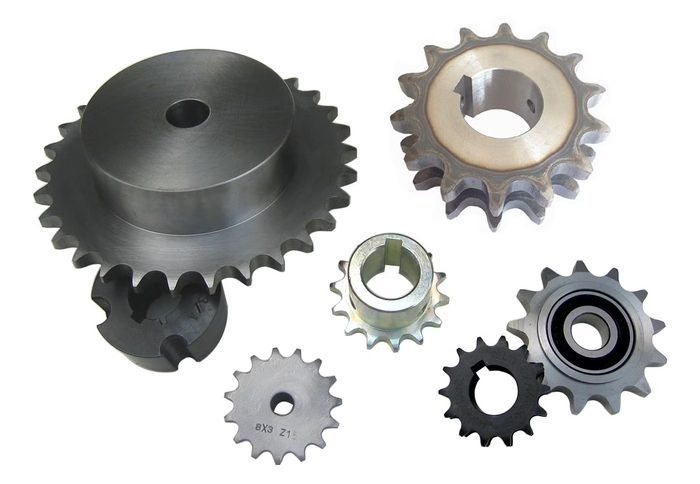
Sprockets
Chain Size: #40 & #50
-
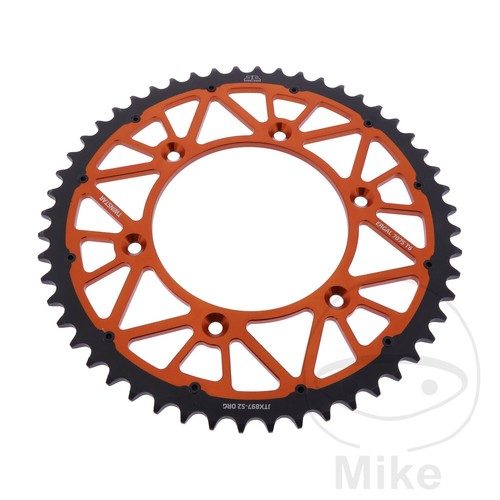
TwinStar Orange 52-Tooth Sprocket
Color: OrangeTeeth: 52
About chain & sprockets
Chain and sprockets transmit mechanical power efficiently through a positive engagement, making them suitable for applications requiring precise timing or high torque transfer. The primary types are roller chain and conveyor chain. Roller chains, standardized by ANSI (e.g., ANSI B29.1) and ISO, consist of alternating inner and outer links with rollers that engage sprocket teeth. Common series include standard single-strand (e.g., #40, #50, #60), multi-strand for higher power, and heavy series for increased fatigue resistance. Conveyor chains are designed for material handling, often featuring larger pitches, specialized attachments, and sometimes hollow pins for custom fixtures. Sprockets are toothed wheels that mesh with the chain; key selection parameters include pitch diameter, number of teeth, and bore configuration (e.g., plain bore, finished bore with keyway and setscrew, Taper-Lock). Connecting links (master links) are used to join chain ends, available in spring clip or cottered styles. Critical dimensions for chain include pitch, roller diameter, and width between inner plates. Sprocket dimensions include pitch, number of teeth, and hub diameter. Materials typically range from carbon steel (e.g., 1045, 4140) for general use, to stainless steel (e.g., 304, 316) for corrosive environments, and sometimes nickel-plated or zinc-plated steel for enhanced corrosion resistance.
How to choose
Selecting the correct chain and sprocket system involves a sequential decision process. First, determine the required power transmission capacity and operating speed to establish the chain pitch and number of strands. What is the driven load and prime mover RPM? Second, consider the application environment. Are corrosive agents present, or is washdown required? This dictates material (e.g., carbon steel, stainless steel) and plating. Third, define the center distance and desired speed ratio to calculate the number of teeth for both driver and driven sprockets. Fourth, specify the sprocket bore type and diameter based on the shaft interface (e.g., plain bore, finished bore with keyway, Taper-Lock bushing). Finally, select the appropriate connecting link type (e.g., spring clip, cottered) based on ease of assembly and security requirements.