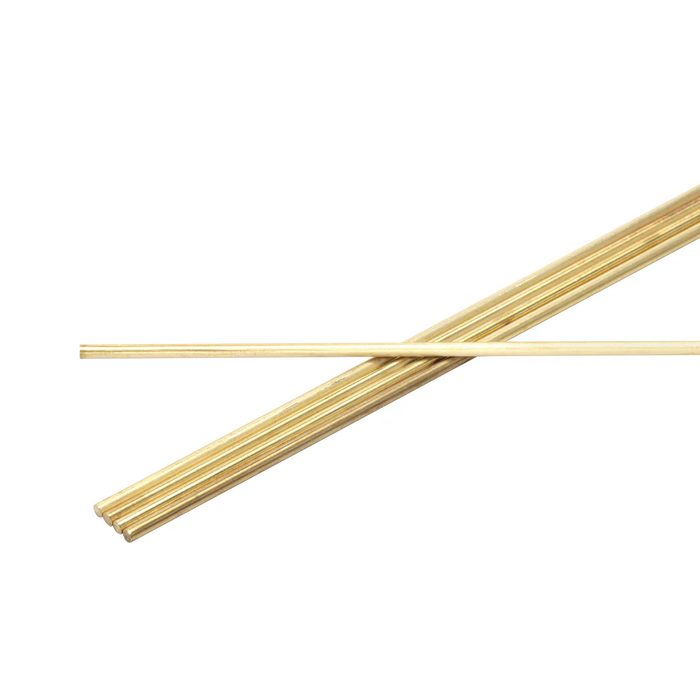
Brass, Copper & Bronze
Bar, sheet, tube and bushing stock in copper alloys.
Also searched as: brass barcopper sheetbronze barc360copper tube
-
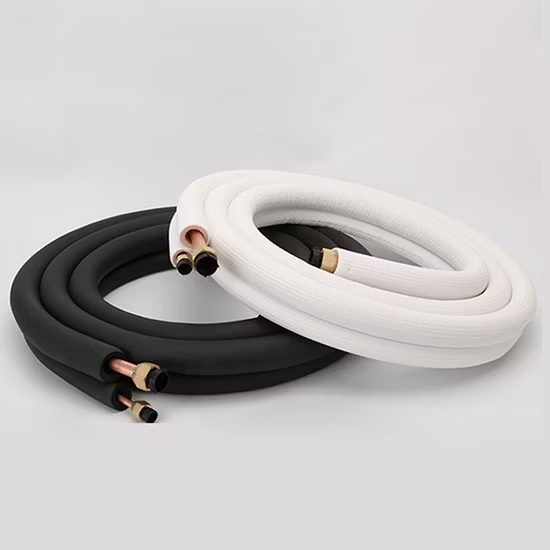
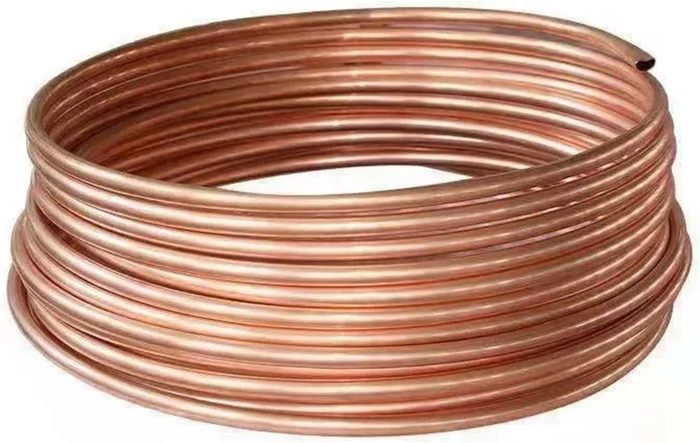
Insulated Copper Tube
Diameter: 3/8 in.Length: 100 ftWall Thickness: 0.032 in.
-
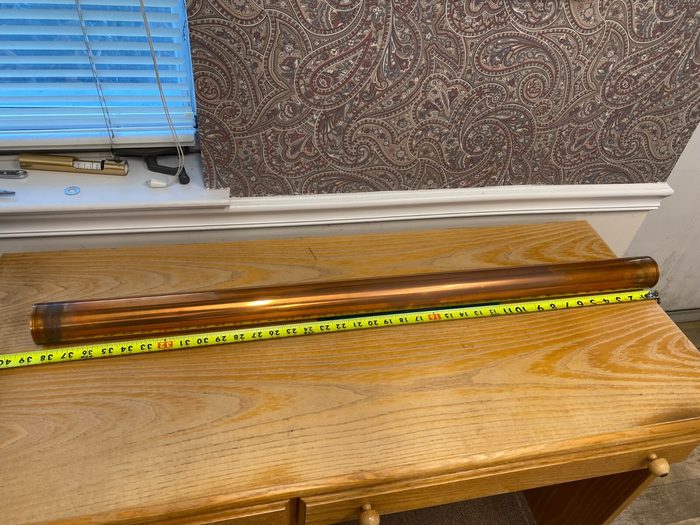 from $300.00eBay $300.00
 -
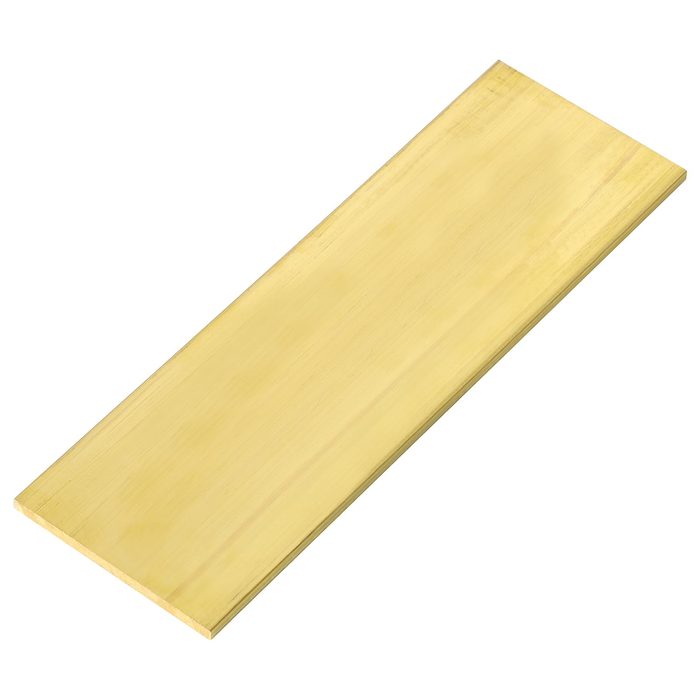
Long Solid Brass Thin Plate C360 Flat Mill Stock
Dimensions: 1/2 x 1 x 6
-
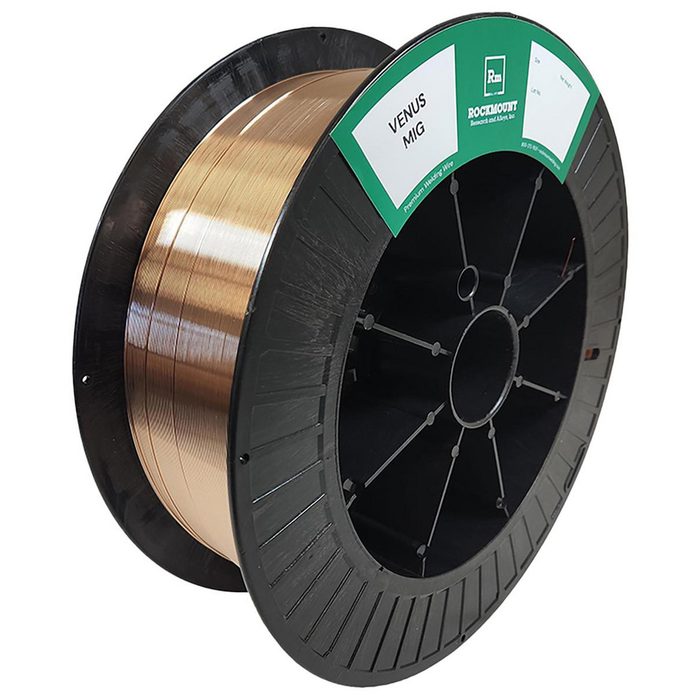
MIG Wire
Diameter: 0.035"
-
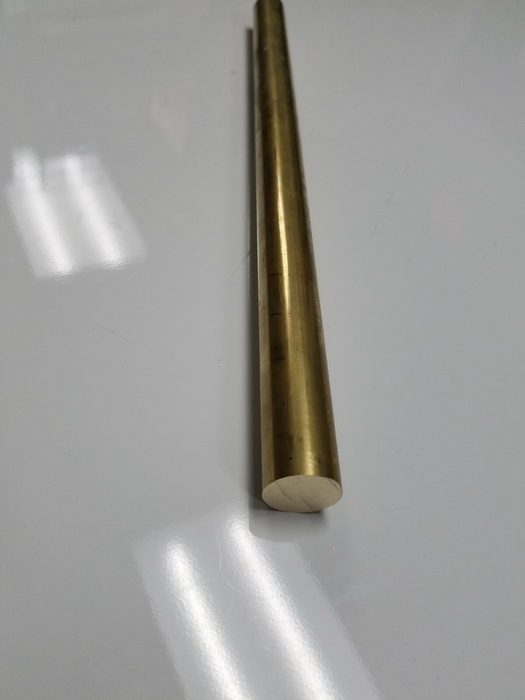
Oversized 954 Bronze Bar
Thickness: 0.250"Width: 1.50"
-
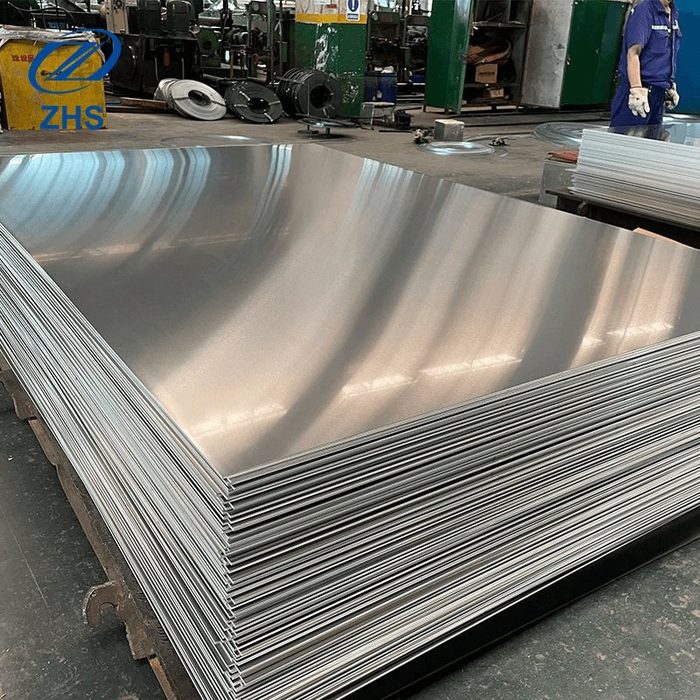
Plate, Precision Sheets
Purity: 99.99%
-
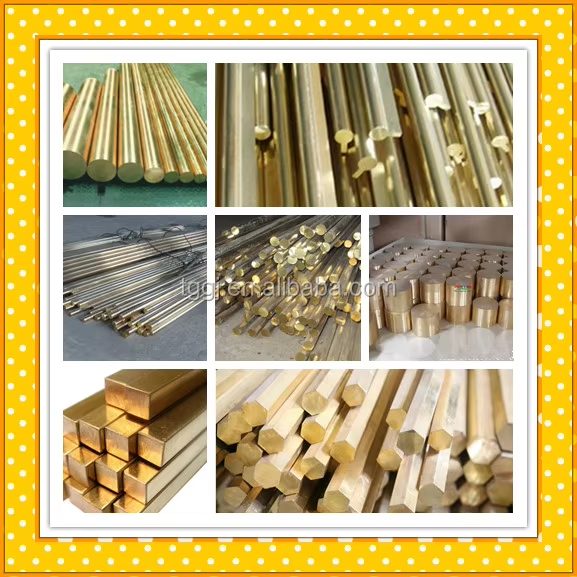
Premium H62 Brass Bar
Finish: polished/brushed
-
-
-
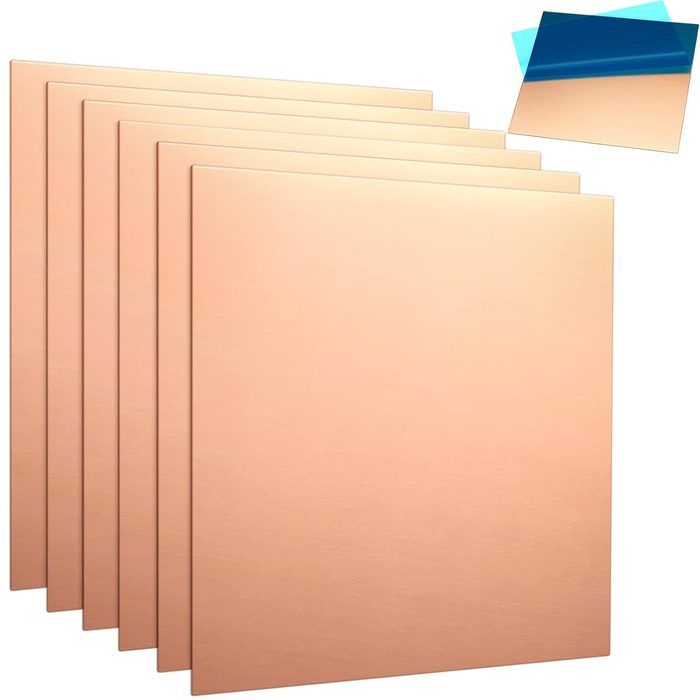
Pure Copper Sheet, 6 x 6 Inch, 24 Gauge (0.51mm) Thickness, Double Sided Film Attached
Gauge: 24Length: 6 inThickness: 0.51 mmWidth: 6 in
from $29.99Amazon $29.99 -
-
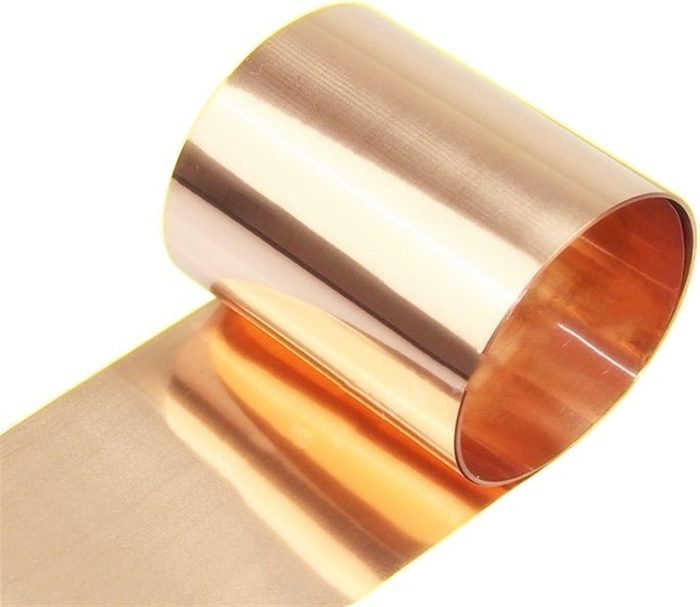
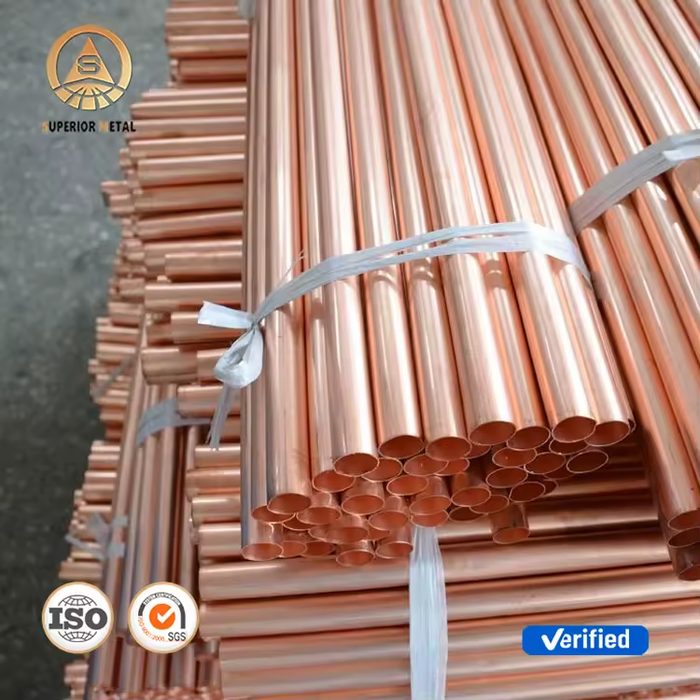
Pure Purple Copper Sheet Red Copper 0.05-0.6mm Bright
Grade: C1100Purity: 99.90% to 99.99%Thickness: 0.05-0.6 mm
-
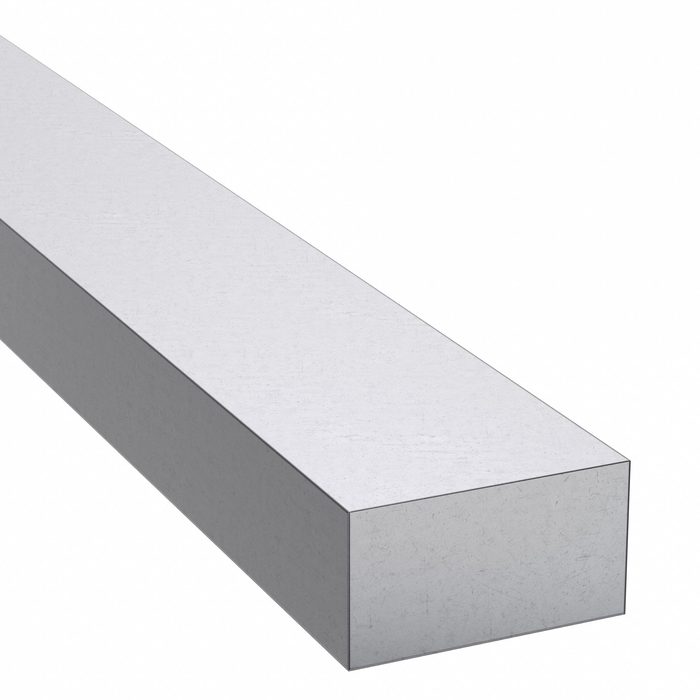
Rectangular Bar
Grade: 360Nominal Size: 1 in x 12 in
-
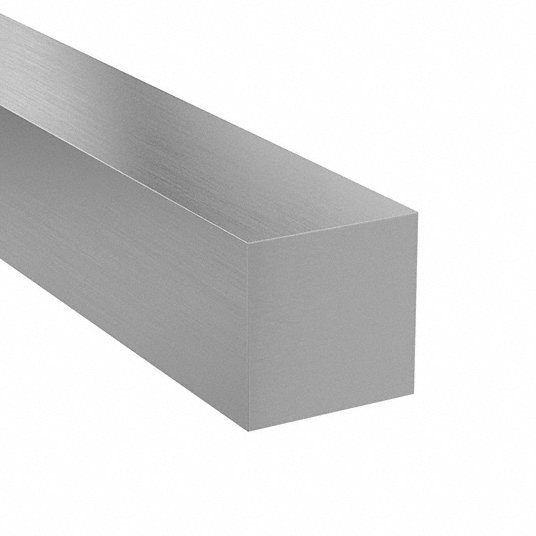
Rectangular Bar, 2 in x 24 in Nominal Size
Grade: 360Nominal Size: 2 in x 24 in
-
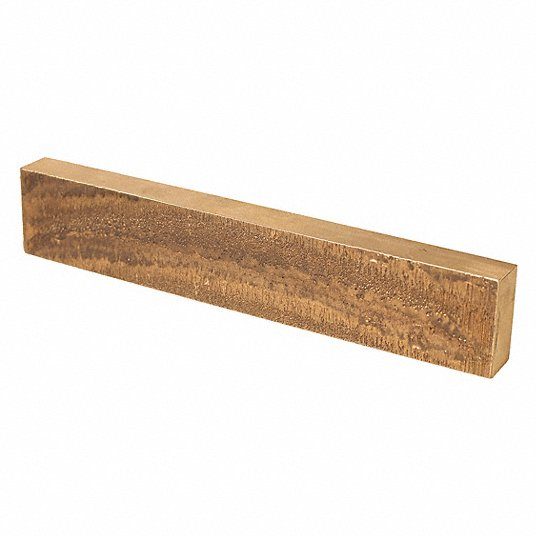
Rectangular Bar, 4 in x 36 in Nominal Size
Grade: 360Nominal Size: 4 in x 36 in
-
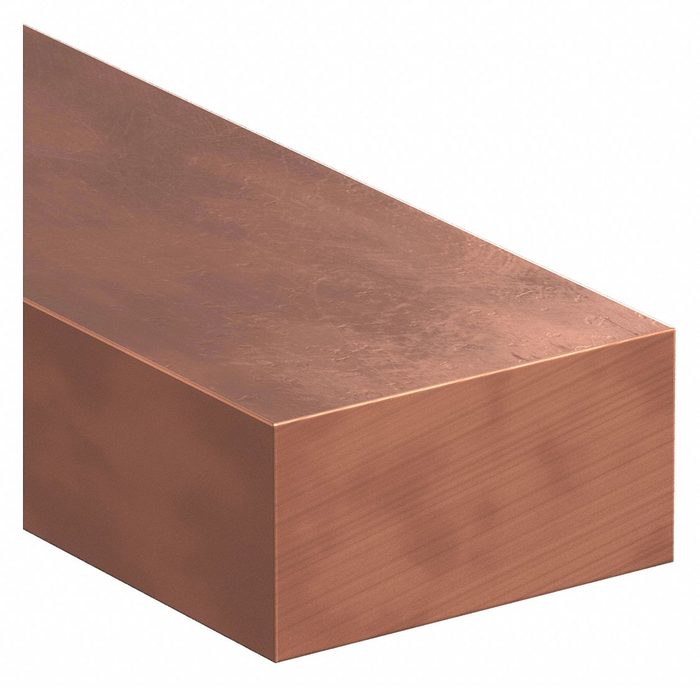
Rectangular Bar, 4 in x 6 ft Nominal Size
Grade: 360Nominal Size: 4 in x 6 ft
-
Rectangular Bar, 6 in x 4 ft Nominal Size
Nominal Size: 6 in x 4 ft
-
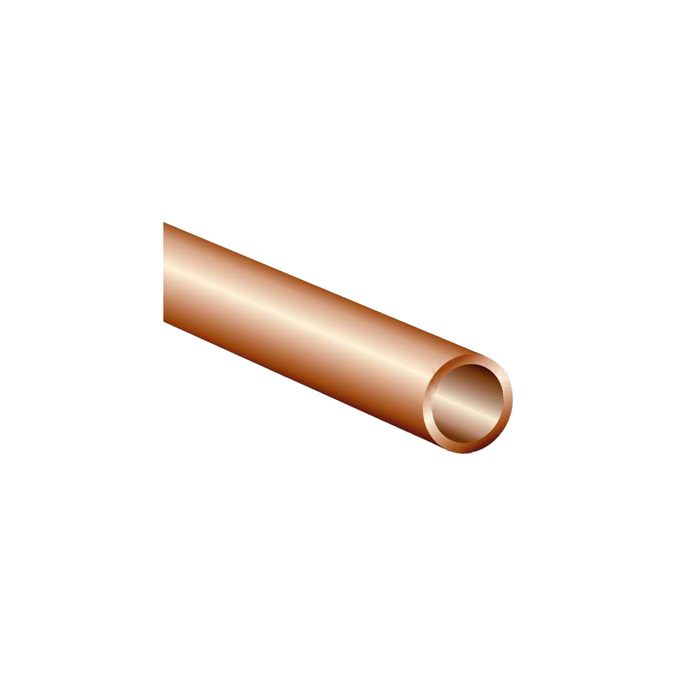
Round Copper Tube
Outside Diameter: 1mm
from $5.00eBay $5.00 -
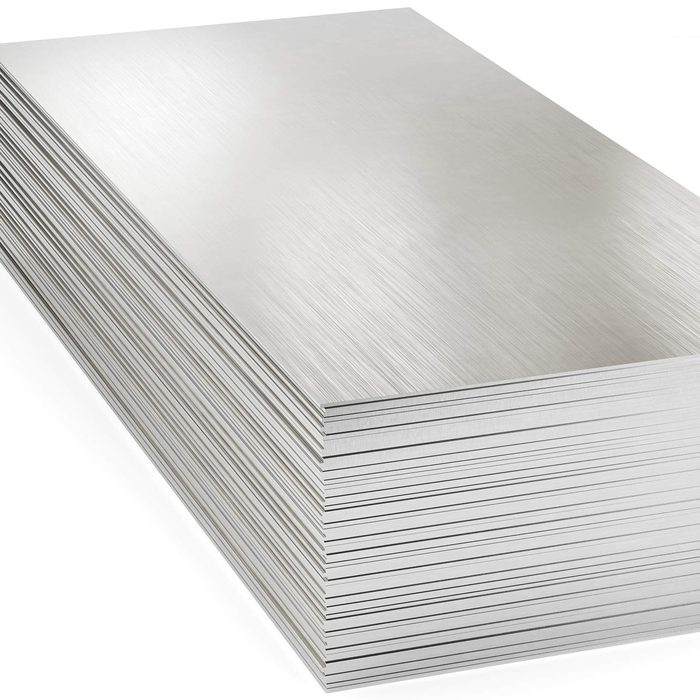
Sheet Metal
Purity: 99.9%
-
-
-
-
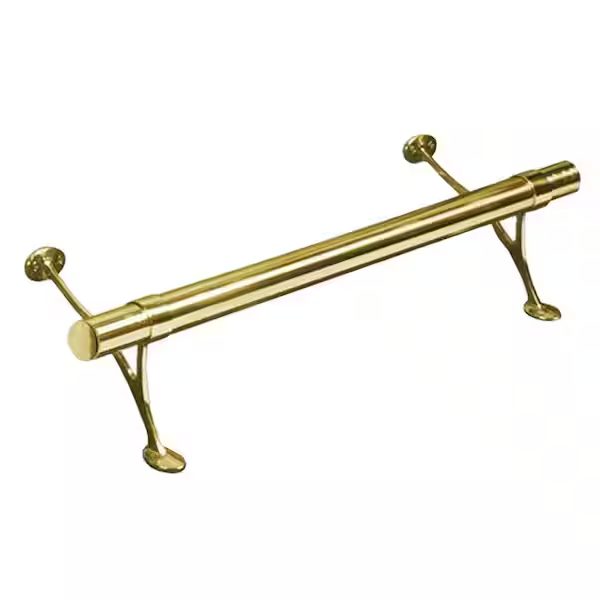
Solid Brass Bar Foot Rail Kit, 8 ft.
Length: 8 ft
-
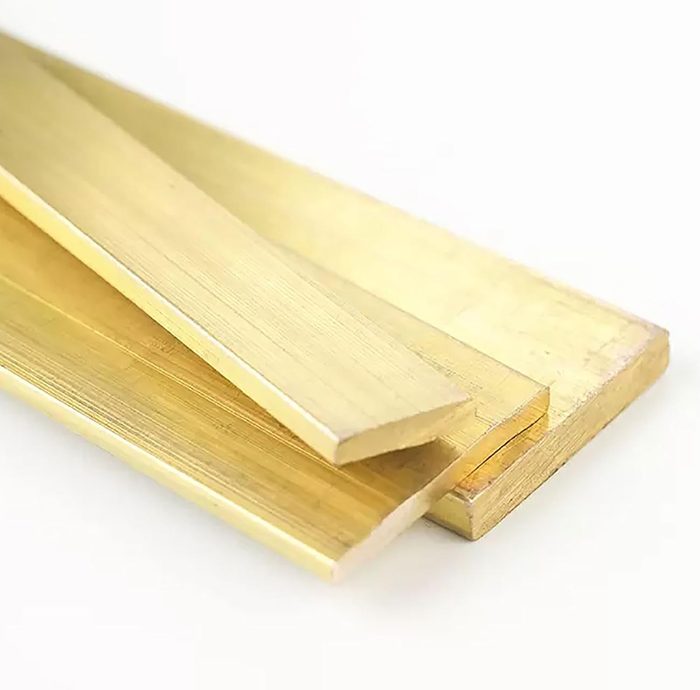
Solid Brass Flat Bar Stock
Length: 100, 150, 500 mmSize: 10x10 mm to 50x50 mm
-
Solid Brass Flat Bar Stock
Length: 100, 300, 500 mmSize: 10x10 mm to 50x50 mm
-
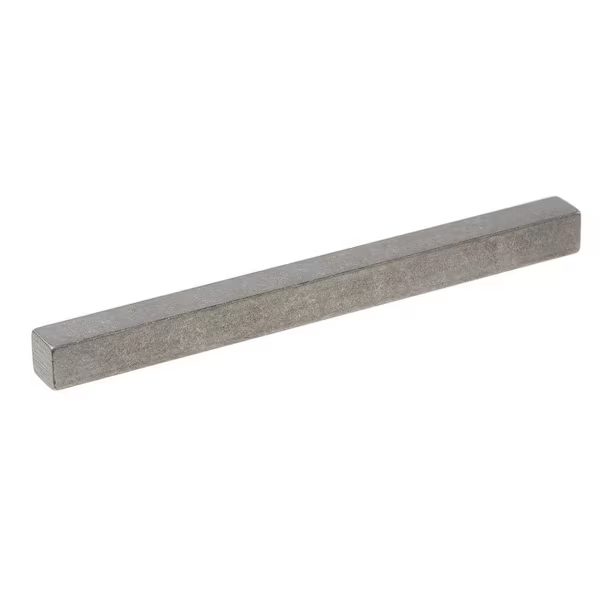
Square Solid Bar, 1/8 x 1/8 in (3.18mm x 3.18mm) 12 in Length
Dimensions: 1/8 in x 1/8 inLength: 12 inShape: Square
-
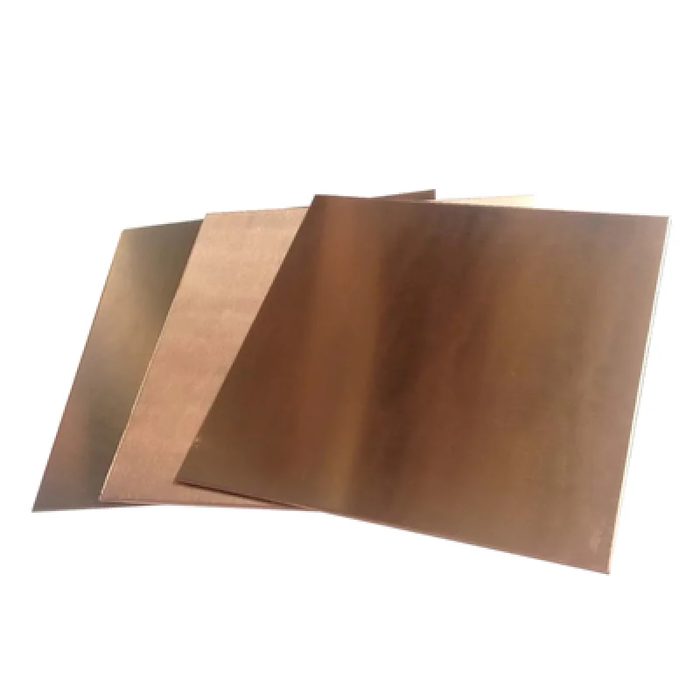
T2 Copper Sheet
Size: 100 x 100mmThickness: 0.3-0.8mm
-
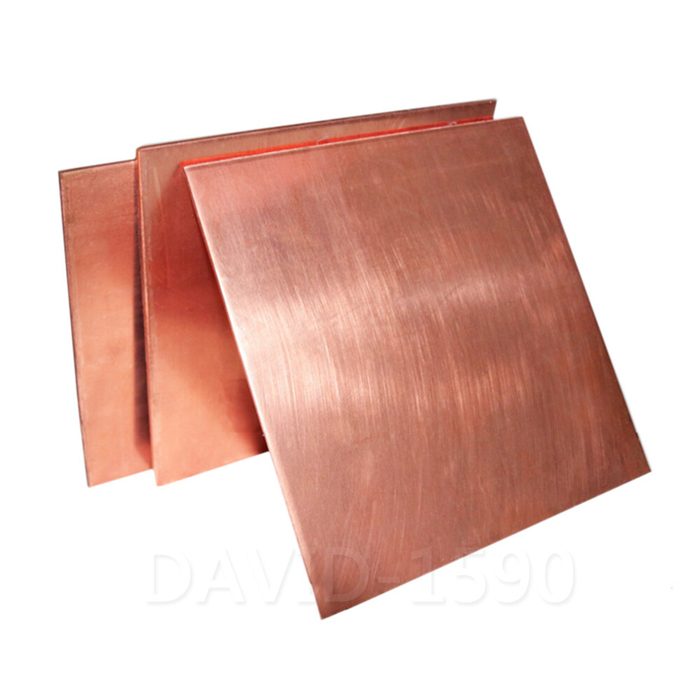
T2 Red Copper Sheet 0.5-3mm Thick Flat Bar Metal Plate
Thickness: 0.5-3mm
-
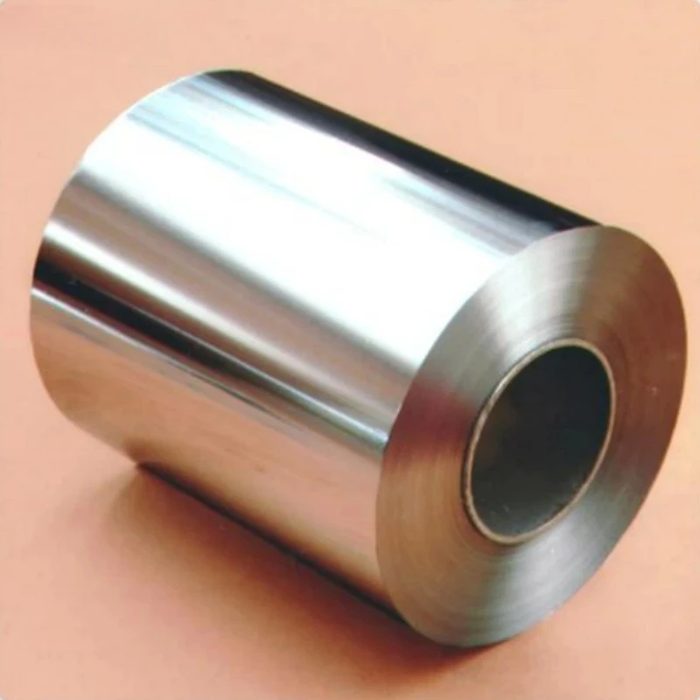
Thin Foil
Thickness: 1mm
-
-
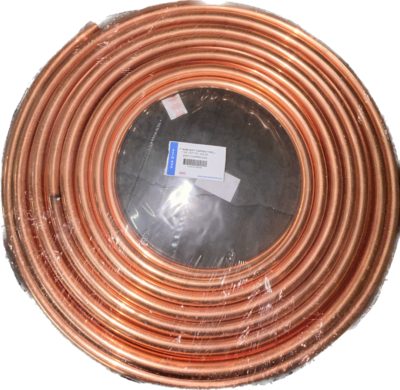
Type L - Hard Copper Tubing
Hardness: HardInner Diameter: 1 inMaximum Operating Pressure: 741 psiOuter Diameter: 1.125 inOverall Length: 20 ft
-
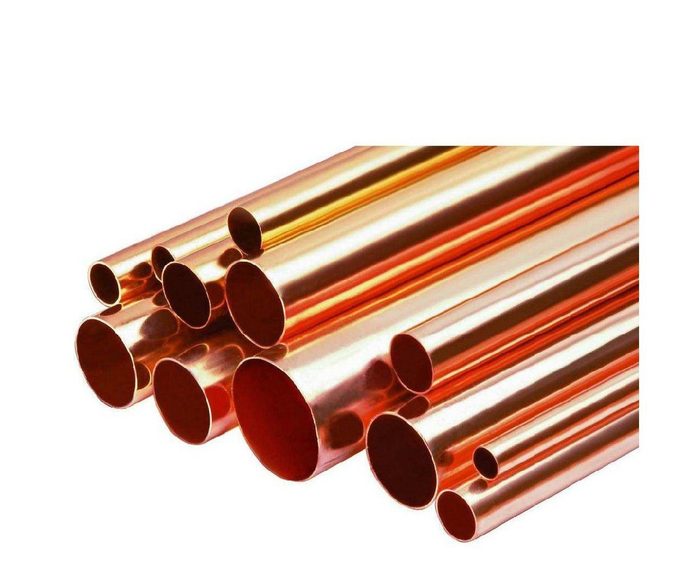
Type L Copper Pipe/Tube, 3 inch Diameter x 1 foot Length
Length: 1 footOutside Diameter: 3 inchType: L
from $99.99eBay $99.99 -
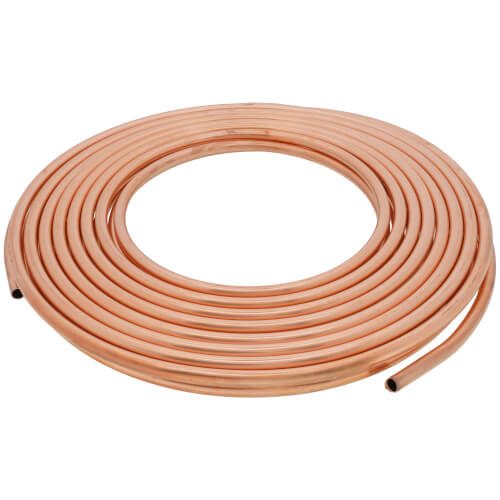
Type L Copper Tubing
ID: 1 inLength: 2 ftOD: 1.025 in
-
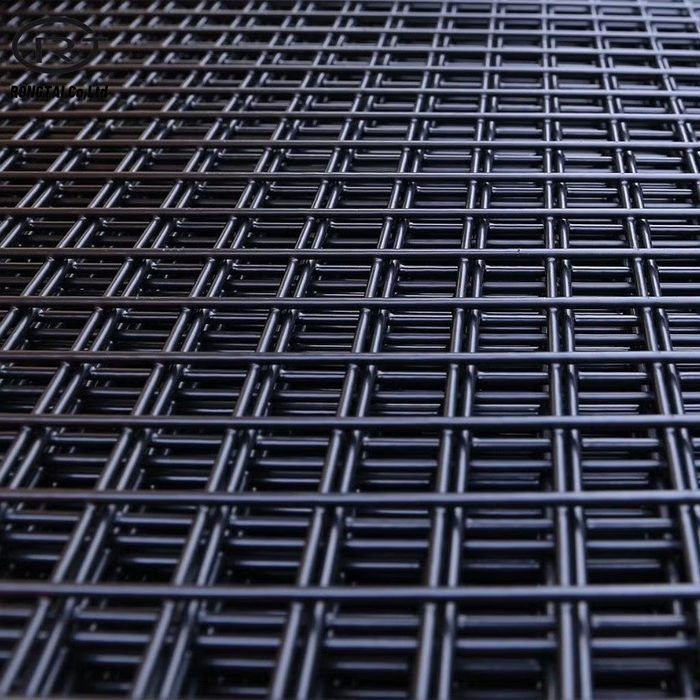
Wire Mesh
Bronze Composition: 90% copper and 10% zinc
About brass, copper & bronze
Copper alloys, encompassing brass, bronze, and pure copper, are widely utilized in applications requiring good electrical and thermal conductivity, corrosion resistance, and machinability. This category includes bar, sheet, tube, and bushing stock. Bar stock is available in various profiles such as round, square, hex, and flat, commonly in alloys like C360 (free-machining brass), C110 (electrolytic tough pitch copper), and C954 (aluminum bronze). Sheet and plate are offered in gauges from thin foil to heavy plate, with alloys like C260 (cartridge brass) and C110 being prevalent for their formability and conductivity. Tube stock, both seamless and welded, is specified by outside diameter, wall thickness, and length, with common applications including plumbing (e.g., C122, DHP copper) and heat exchangers. Bushing stock, often in continuous cast bronze alloys such as C932 (bearing bronze) or C954, is selected for its wear resistance and low friction properties in bearing applications. Material temper, such as annealed (O61) or half-hard (H02), significantly influences mechanical properties and formability. Dimensions are typically specified in imperial or metric units, with tolerances adhering to standards like ASTM B16, B42, or B152 depending on the product form and alloy.
How to choose
When selecting brass, copper, or bronze stock, first determine the required form: bar, sheet, tube, or bushing. Next, identify the primary performance requirement; for example, high electrical conductivity points to C110 copper, while wear resistance suggests C932 or C954 bronze. Third, specify the exact dimensions, including outer diameter, inner diameter (for tube/bushing), thickness (for sheet), or cross-section (for bar), along with the required length. Fourth, consider the necessary mechanical properties, such as tensile strength, yield strength, and hardness, which will dictate the appropriate alloy and temper (e.g., annealed for forming, half-hard for rigidity). Finally, evaluate any specific environmental or machining considerations, such as a need for lead-free material or enhanced machinability (e.g., C360 brass).