Adhesives & Sealants
Threadlocker, epoxy, cyanoacrylate, RTV and anaerobic sealant.
Also searched as: loctitethreadlockerepoxyrtv siliconesuper glueanaerobic
-
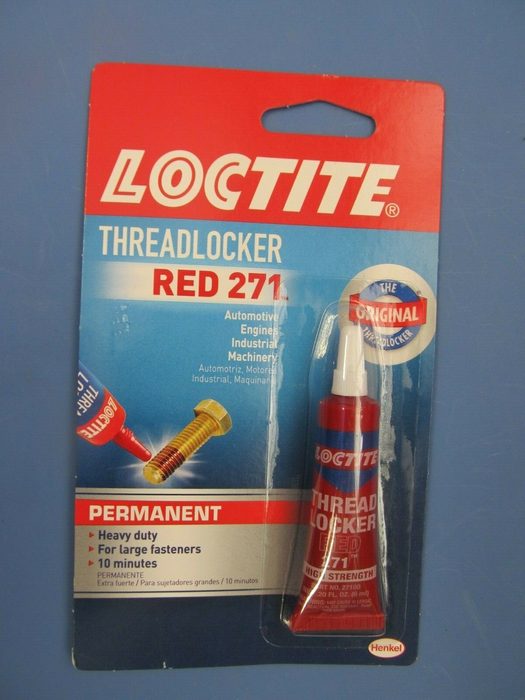
Threadlocker 271 Red Permanent Nut and Bolt
Color: RedStrength: High
-
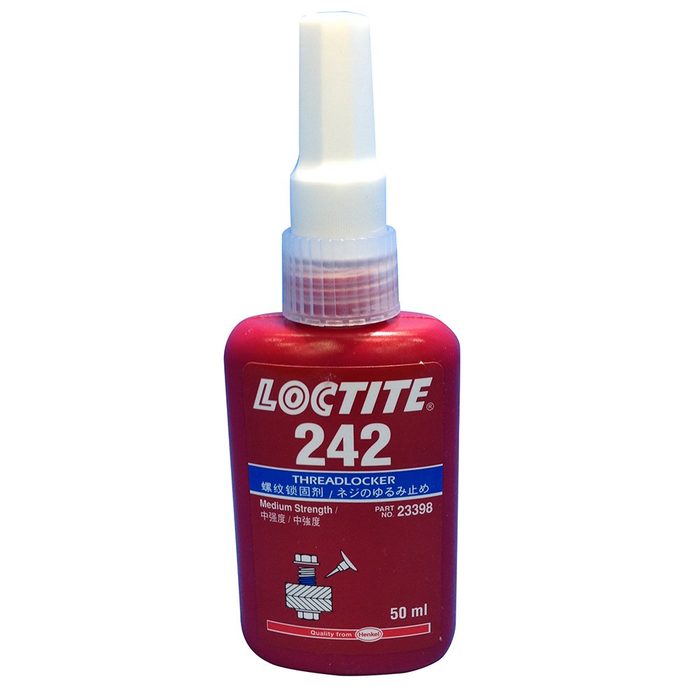
1.69oz Bottle 242 Threadlocker - Blue Liquid
Color: BlueStrength: Medium
-
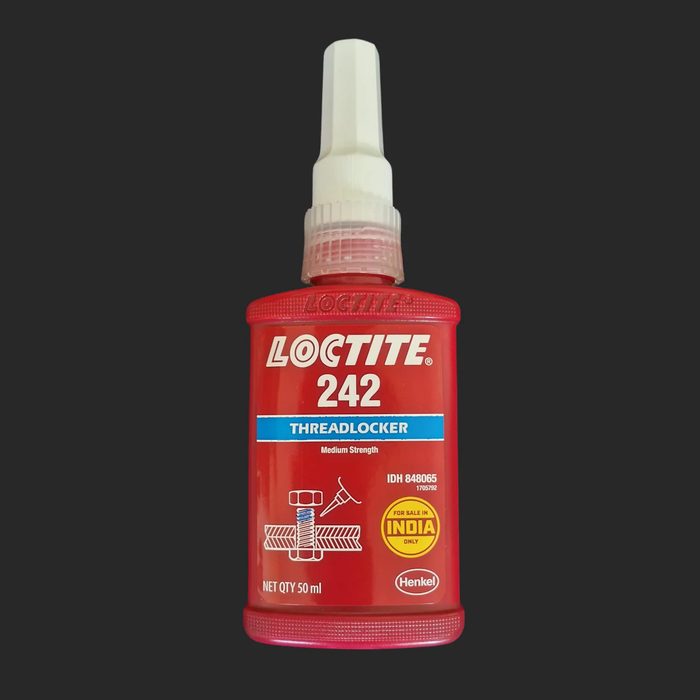
Threadlocker 242 Medium-Strength Glue and Bolt
Color: BlueStrength: Medium
-
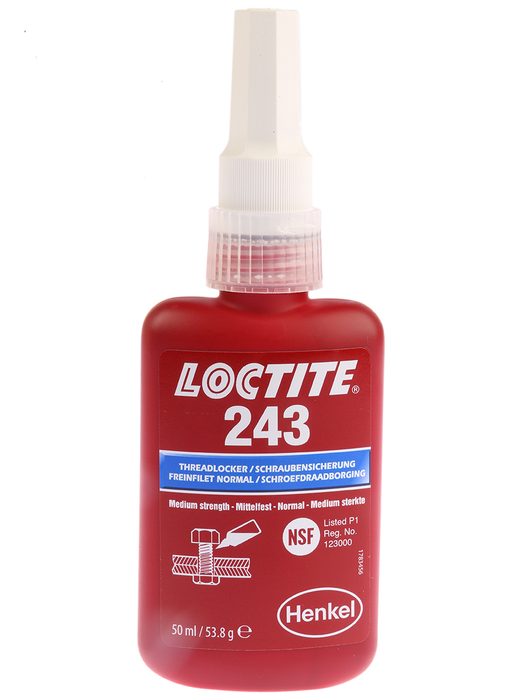
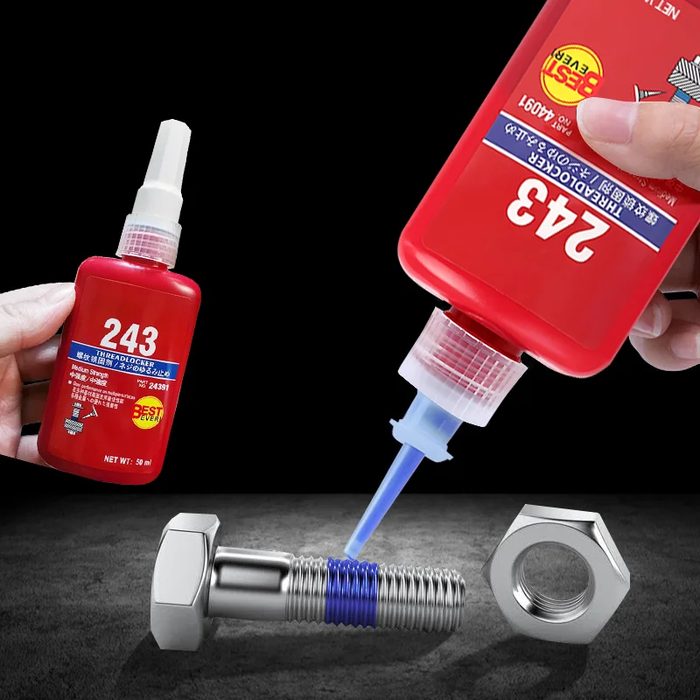
243 Threadlocker
Strength: Medium
-
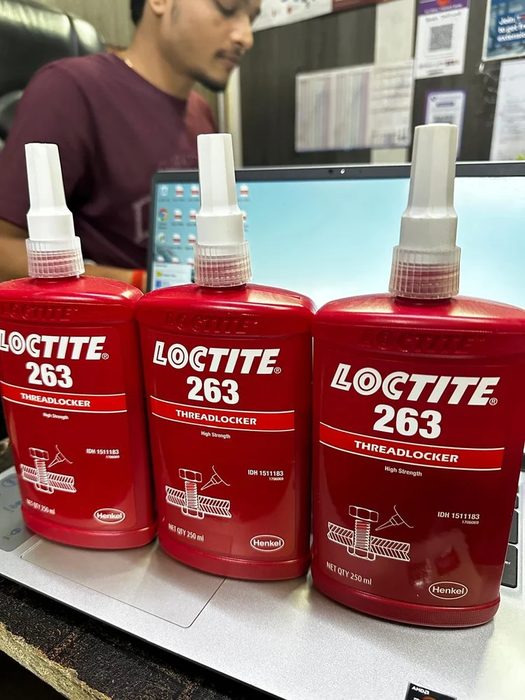
LOCTITE 263 Threadlocker
Color: RedStrength: High
-
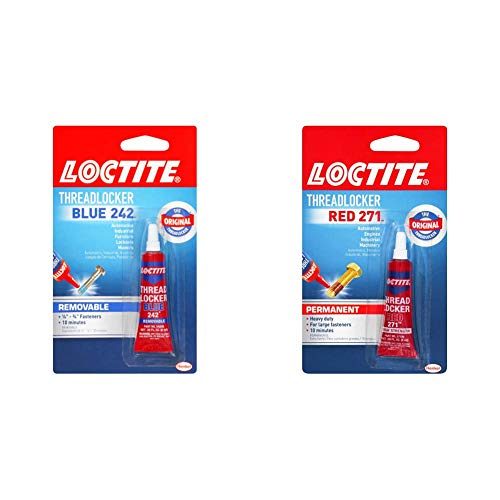
0.20 oz Threadlocker
Color: BlueContainer Size: 0.2 fl oz
-
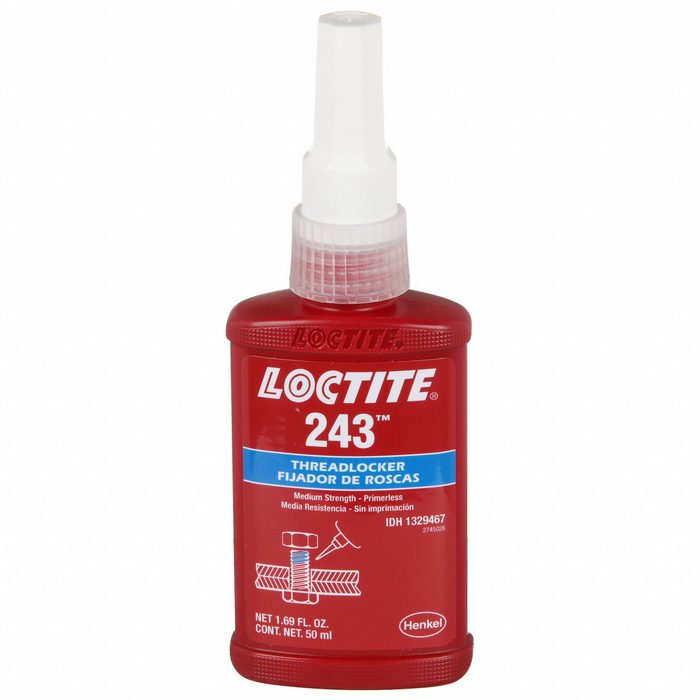
243 Blue Medium Strength Threadlocker
Color: BlueStrength: MediumType: Oil-tolerant
-
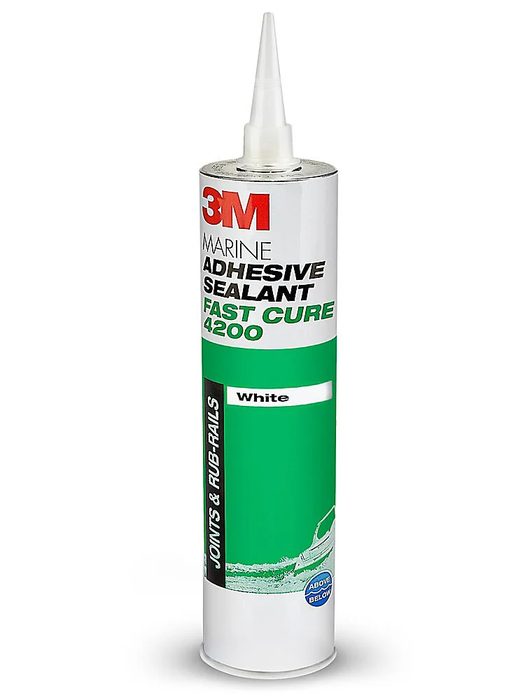
Marine Adhesive Sealant
Color: BlackVolume: 10 oz
-
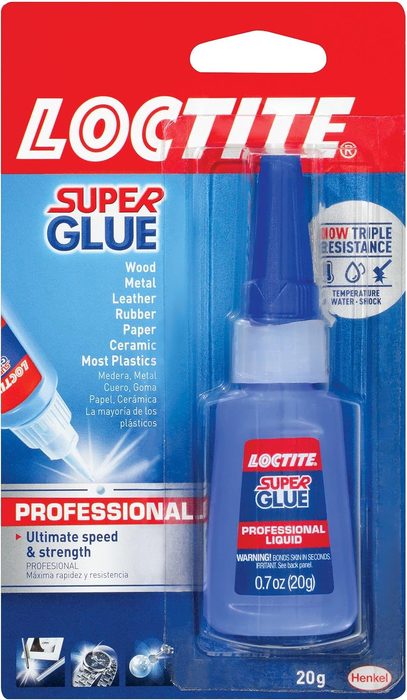
0.7 fl oz Super Glue Professional Liquid, Clear
Color: ClearVolume: 0.7 fl oz
-
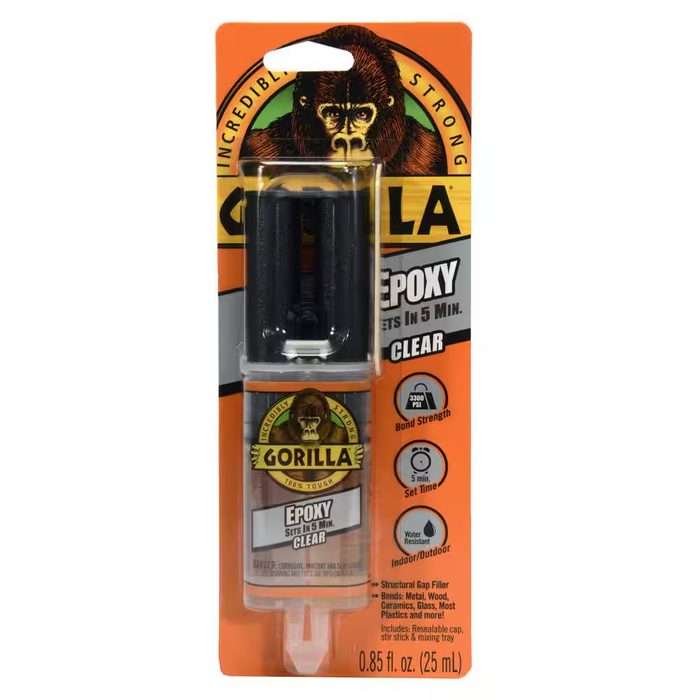
0.85 fl. oz. Epoxy
Container Size: 0.85 fl. oz
-
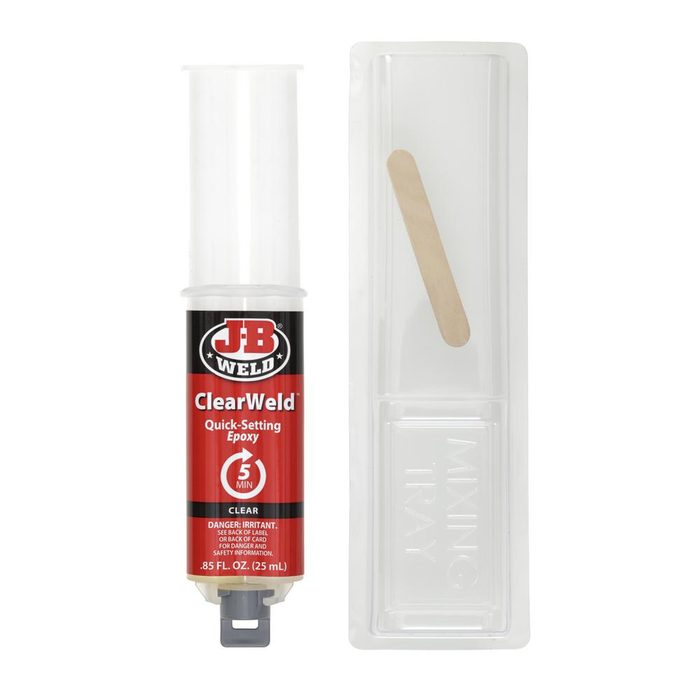
0.85 oz. ClearWeld Quick-Set Epoxy Syringe
Container Size: 0.85 oz
-
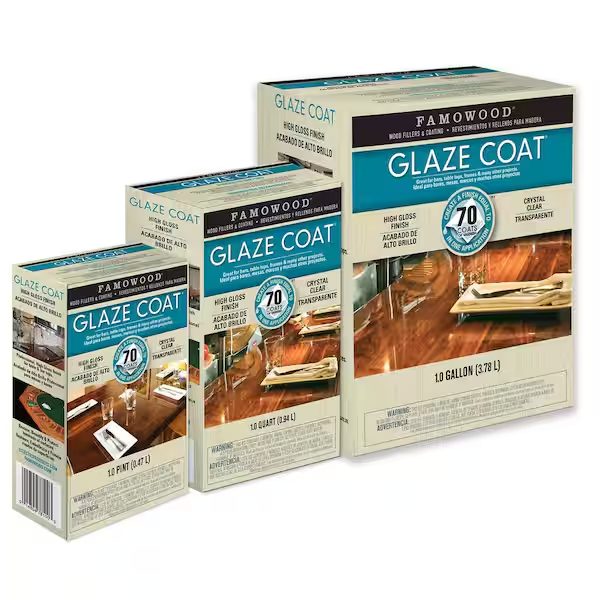
1 qt. Glaze Coat Clear Epoxy Kit
Volume: 1 qt
-
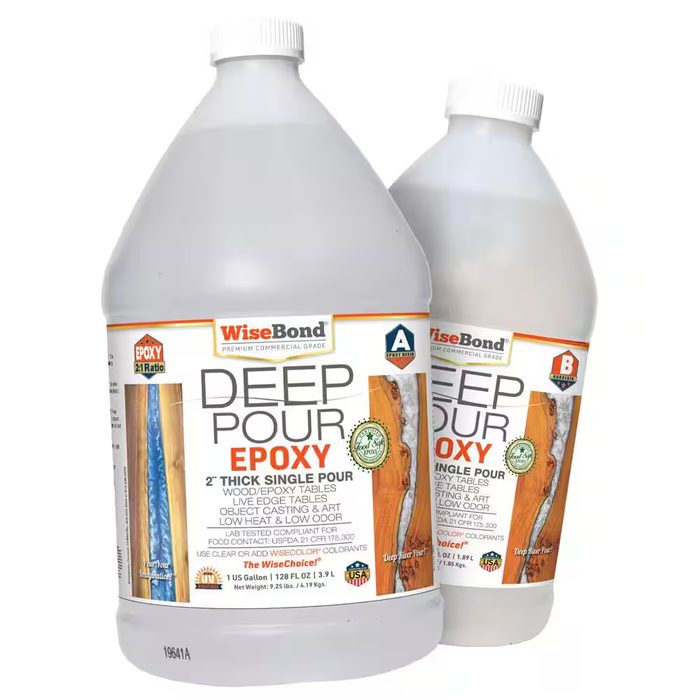
1.5 gal. Clear Deep Pour 2 in. Thick Single Pour 2:1 Ratio River Table Epoxy
Pour Thickness: 2 in.Volume: 1.5 gal.
-
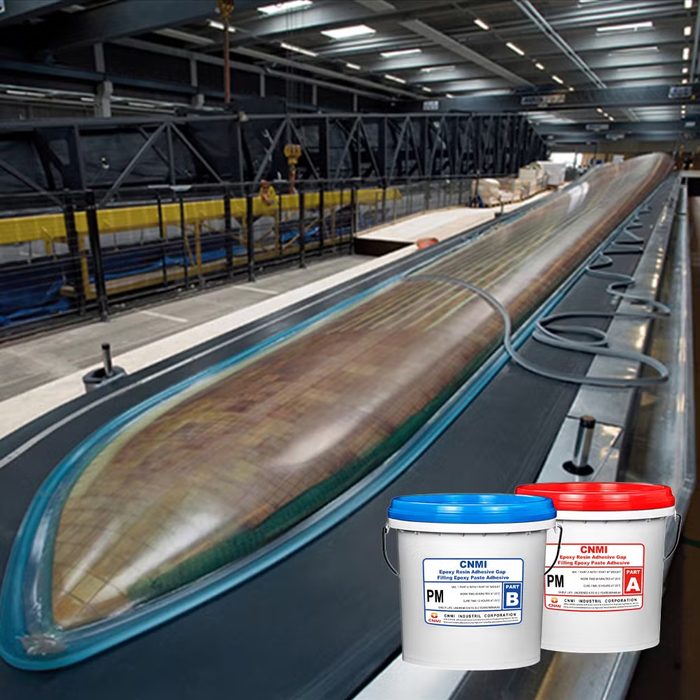
100:27 Epoxy Resin
Ratio: 100:27
-
-
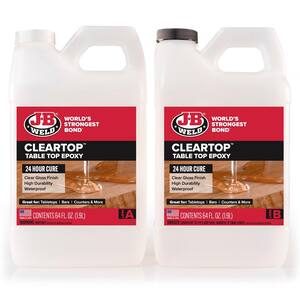
128 fl. oz. ClearTop Pour-On Epoxy
Volume: 128 fl. oz.
-
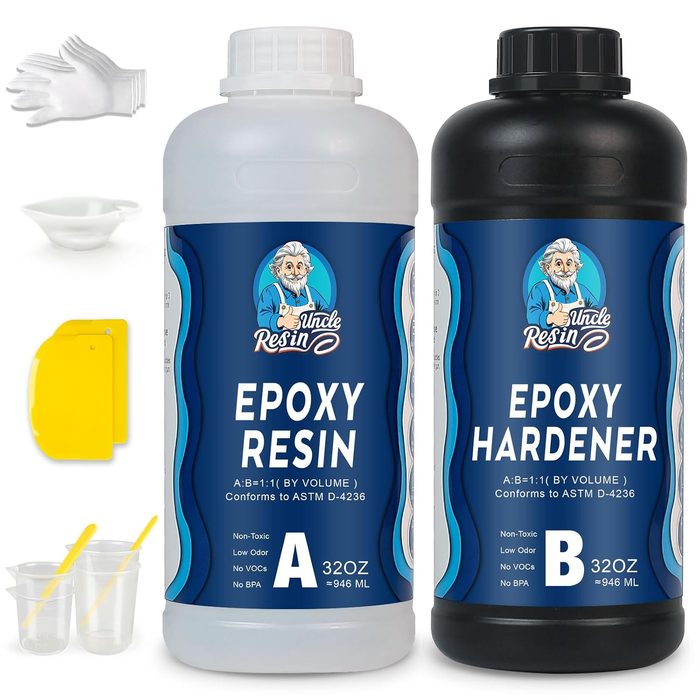
1:1 Ratio Epoxy Resin Kit Anti-Yellowing
Ratio: 1:1
-
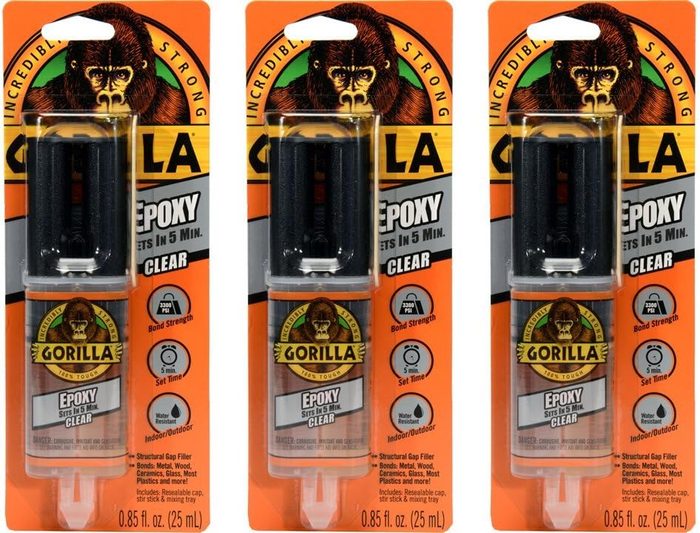
2 Part Epoxy
Color: ClearContainer Size: 0.85 Ounce
-
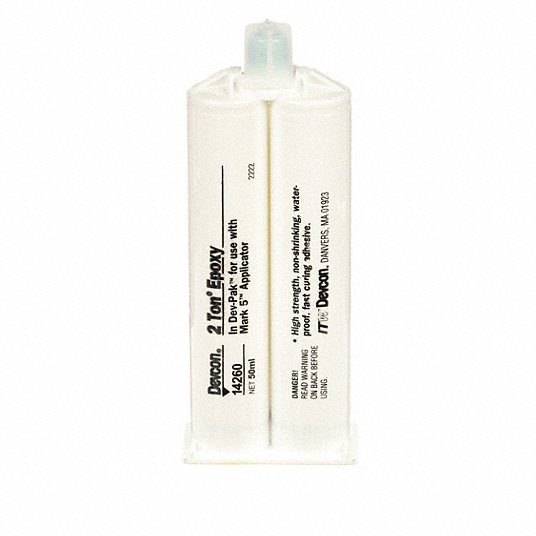
2 Ton Epoxy, 50 mL, Epoxy Adhesive
Volume: 50 ml
-
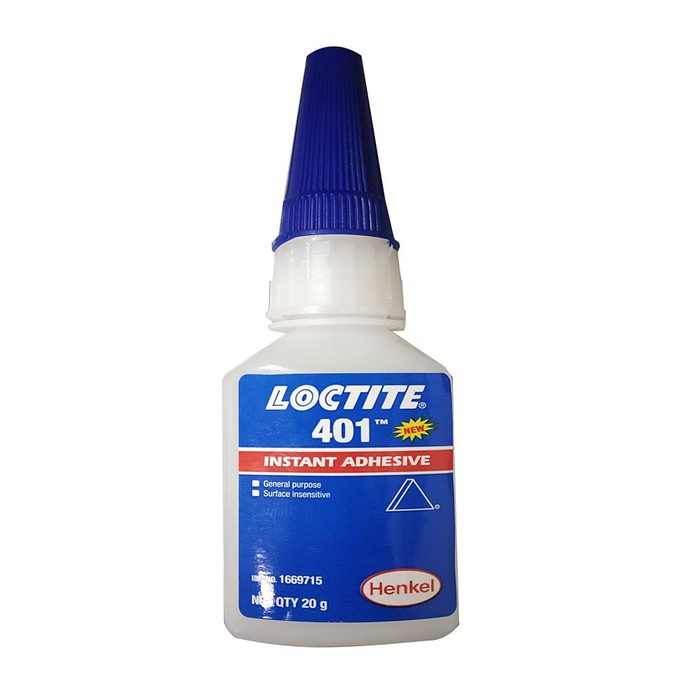
20 Gram Bottle Instant Adhesive, 401, Prism
Weight: 20 Gram
-
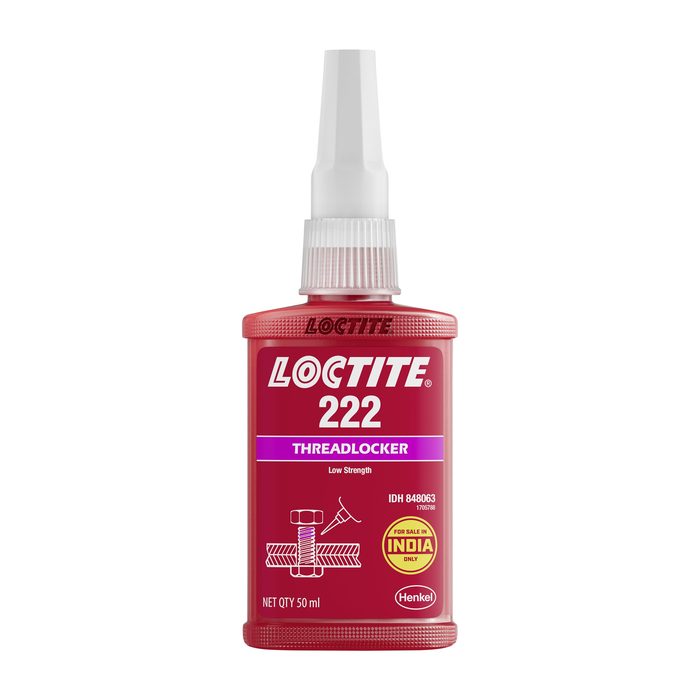
222 Low Strength Threadlocker
Strength: LowVolume: 50ml
-
242 Anaerobic Adhesive Threadlocker
Strength: HighVolume: 10ml
-
242 Threadlocker
Container Size: 10 mlFastener Diameter: 1/4" to 3/4"
-
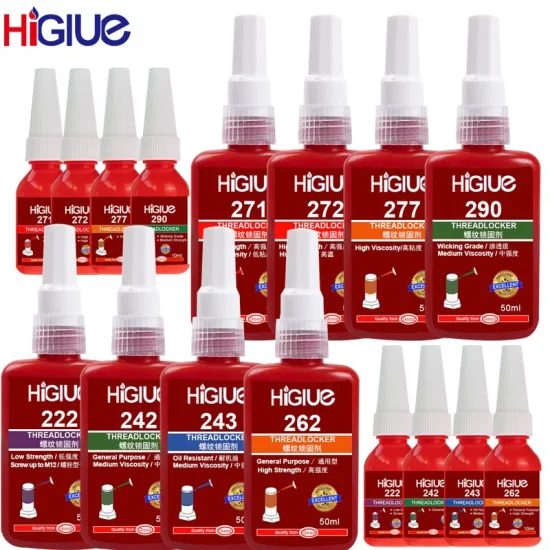
242 Threadlocker
Color: Blue
-
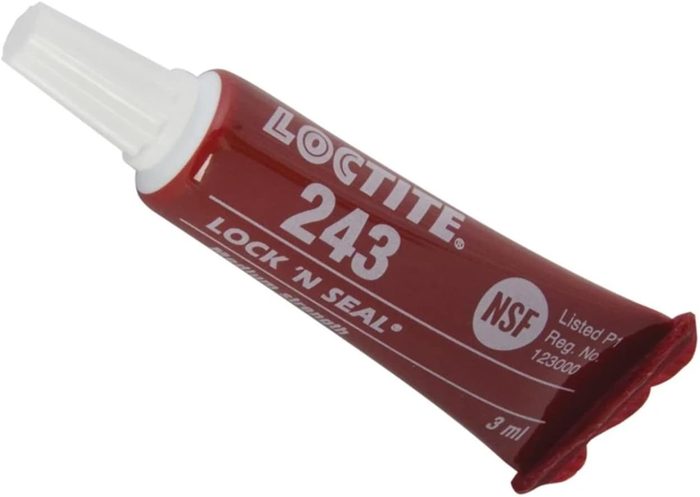
243 Blue Medium Strength Threadlocker
Color: BlueStrength: Medium
-
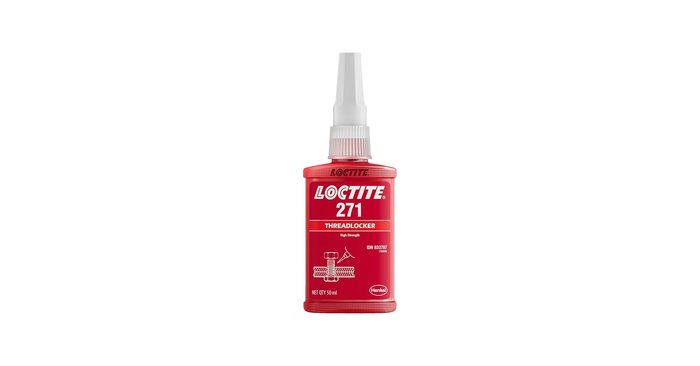
271 Threadlocker
Container Size: 10 mlFastener Diameter: up to 1"
-
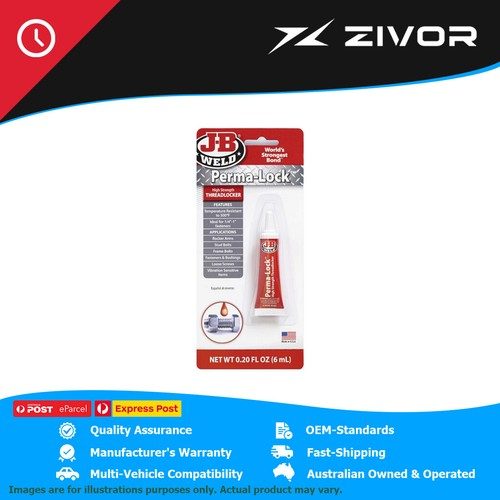
27106 Perma-Lock High Strength Threadlocker
Strength: High
-
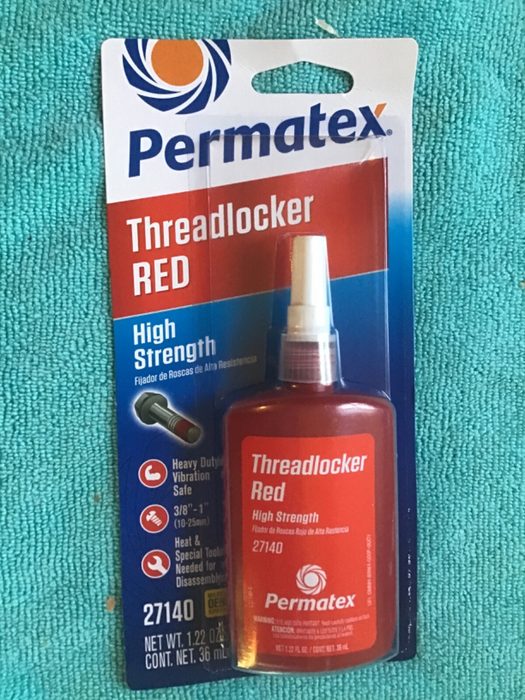
27140 High Strength Threadlocker Red
Color: RedFastener Size: 3/8" to 1" (10mm to 25mm)Strength: HighVolume: 36 ml
-
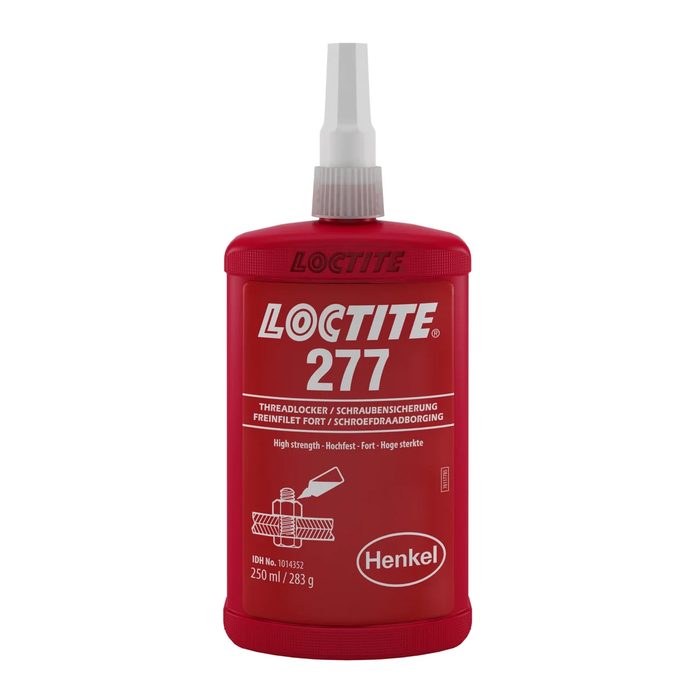
277 Red High Strength Threadlocker
Color: RedStrength: HighVolume: 50ml/250ml
-
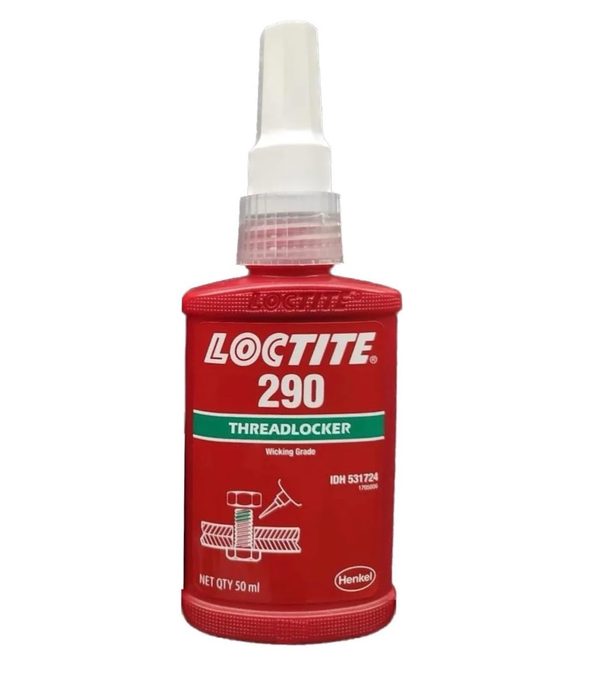
290 Green Anaerobic Threadlocker
Color: GreenVolume: 50ml/250ml
-
290 Permeation Level High Temperature Resistance Threadlocker Adhesive
Container Size: 50ml
-
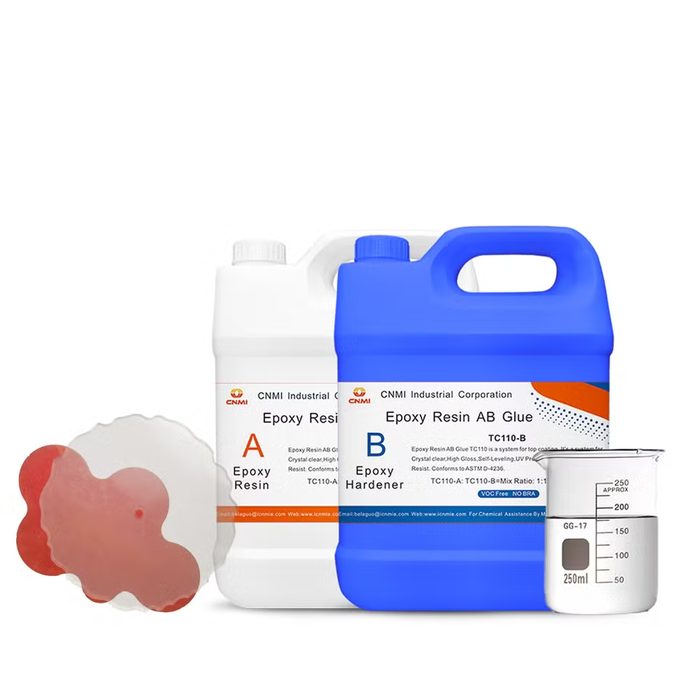
2:1 Epoxy Resin Clear Hardener
Color: ClearRatio: 2:1
-
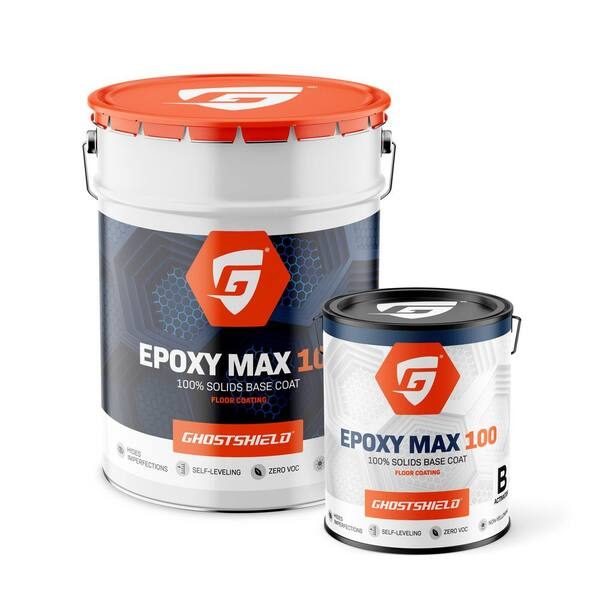
3 Gal. Kit Clear High-Gloss 100% Solids 2 Part Epoxy
Finish: High-GlossVolume: 3 Gal.
-
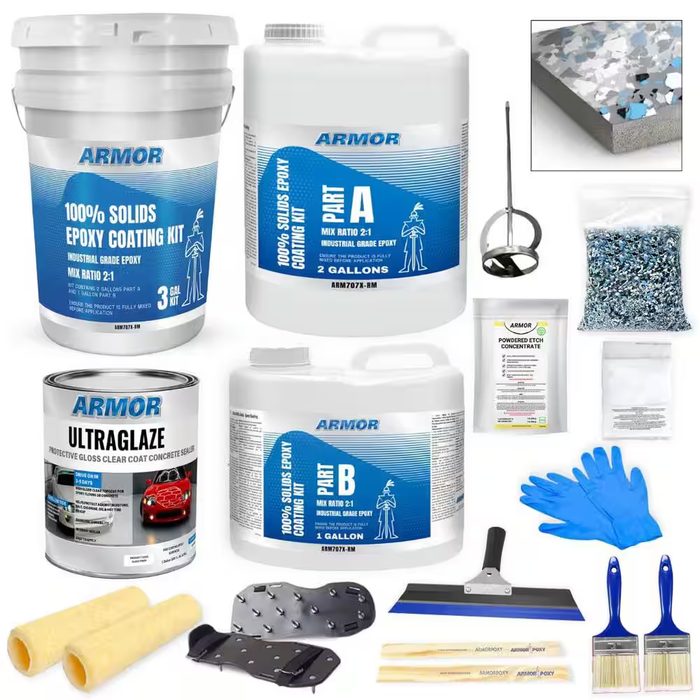
3 gal. Gray Gloss 2-Part 600 sq.ft. Epoxy Kit
Coverage: 600 sq.ft.Volume: 3 gal
-
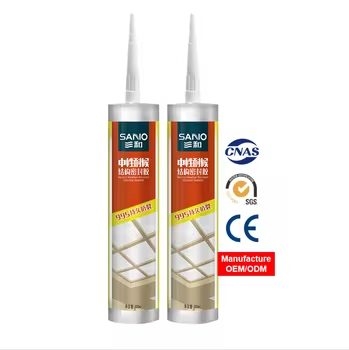
300ml RTV Silicone Sealant EX252
Volume: 300 ml
-
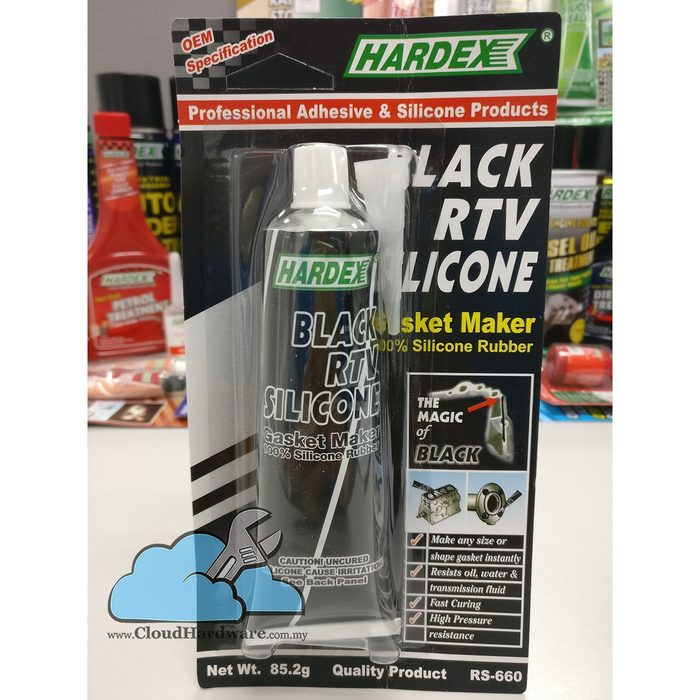
32g Black RTV Silicone Sealant
Weight: 32 g
About adhesives & sealants
Adhesives and sealants are chemical compounds used to join substrates or prevent leakage. Threadlockers, such as anaerobic acrylic resins, prevent fasteners from loosening due to vibration or thermal expansion. They are typically rated by strength (low, medium, high) and viscosity, and can be permanent or removable. Epoxies are two-part thermosetting polymers that cure to form rigid bonds with high shear strength, often used for structural applications. Key selection parameters include work time, cure time, and ultimate tensile strength. Cyanoacrylates, commonly known as super glue, are fast-acting acrylic resins that polymerize rapidly in the presence of moisture, offering quick bonding for smaller assemblies. RTV (Room Temperature Vulcanizing) silicones are flexible sealants and gasketing compounds, available in acetoxy (acidic) and neutral cure formulations. They are defined by temperature resistance, elongation, and tensile strength. Anaerobic sealants, similar to threadlockers, cure in the absence of oxygen and in contact with metal ions, primarily used for sealing pipes and flanges, characterized by pressure rating and gap-filling capability. Material compatibility and environmental exposure are critical considerations across all types.
How to choose
When selecting an adhesive or sealant, first determine the primary function: bonding, sealing, or threadlocking. For bonding, consider the substrates, required bond strength (shear, tensile), and environmental conditions (temperature, chemicals, moisture). Next, evaluate the required cure time and application method. For sealing, identify the media being contained, the pressure differential, and the temperature range. If threadlocking, specify the fastener size, required breakaway torque, and whether future disassembly is necessary. Finally, assess material compatibility and the desired permanence or removability. This sequence helps narrow down options from epoxies and cyanoacrylates for bonding, to RTVs and anaerobic sealants for gasketing and pipe sealing, and anaerobic threadlockers for fasteners.